Anderson plugs (Anderson SB connectors) are heavy-duty, genderless DC power connectors made by Anderson Power Products. Originally developed for industrial forklift battery connections, Anderson plugs have become the standard connector for 12V auxiliary power in Australian caravans, campervans, and 4WDs — and are increasingly used in EV battery packs, solar storage systems, and industrial equipment worldwide.
The "Anderson plug" name is used colloquially in Australia to refer specifically to the SB50 connector (50A rating), though Anderson Power Products makes a range of SB connectors from 15A to 350A.

What Makes Anderson Plugs Unique
Anderson SB connectors have several distinctive characteristics:
Genderless design: Both halves of an Anderson connector are identical. Either half can mate with the other — there is no "male" or "female" side. This simplifies inventory and prevents mismating.
Single-pole construction: Each Anderson connector carries one conductor (positive or negative). A complete circuit requires two connectors — one for positive and one for negative. The two connectors are typically clipped together with a retaining clip.
High current capacity: Anderson connectors are designed for high-current DC applications. The SB50 handles 50A continuously; larger models handle up to 350A.
Color coding: Anderson connectors are available in multiple colors. In Australian caravan and 4WD applications, grey is the standard color for 12V auxiliary power. Other colors are used to prevent accidental cross-connection between different voltage systems.
No locking mechanism: Standard Anderson connectors rely on friction and the retaining clip to stay connected. They are not designed for applications where the connector might be pulled under load — always disconnect before removing.
Anderson SB Connector Series
| Model | Current Rating | Voltage Rating | Wire Range | Common Use |
|---|---|---|---|---|
| SB15 | 15A | 600V | 16–20 AWG | Low-current DC |
| SB50 | 50A | 600V | 6–10 AWG | 12V caravan, solar |
| SB120 | 120A | 600V | 2–6 AWG | High-current DC, EV |
| SB175 | 175A | 600V | 2/0–4 AWG | Industrial, EV battery |
| SB350 | 350A | 600V | 4/0 AWG | Forklift, large EV |
The SB50 is by far the most common in Australian caravan and 4WD applications. The SB120 and SB175 are used in EV battery packs, solar storage systems, and industrial equipment.
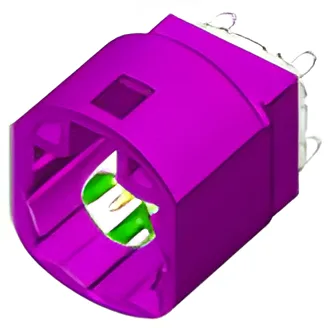
Anderson Plug Color Codes (Australian Standard)
In Australia, the following color conventions are widely used (though not mandated by a single standard):
| Color | Voltage | Application |
|---|---|---|
| Grey | 12V | Standard 12V auxiliary power |
| Red | 24V | 24V systems (trucks, buses) |
| Blue | 48V | 48V systems |
| Yellow | 36V | Some EV and industrial |
| Black | Various | General purpose |
| Orange | High voltage | EV high-voltage (non-standard) |
Using different colors for different voltage systems prevents accidentally connecting a 12V device to a 24V supply. Always verify the voltage before connecting, regardless of color.
SB50 Specifications
The SB50 is the workhorse of the Anderson connector range:
- Current rating: 50A continuous
- Voltage rating: 600V DC
- Wire range: 6 AWG to 10 AWG (4mm² to 6mm²)
- Contact material: Silver-plated copper
- Housing material: Glass-filled nylon (UL94 V-0)
- Operating temperature: -40°C to +85°C
- IP rating: IP54 (mated, with retaining clip)
- Mating cycles: 500+
The SB50's 50A rating makes it suitable for:
- 12V auxiliary power up to 600W (50A × 12V)
- 24V systems up to 1,200W
- Solar panel connections (up to 50A string current)
- Battery-to-battery charging (DC-DC chargers)
Caravan and 4WD Applications
In Australian caravans, campervans, and 4WDs, Anderson SB50 connectors are used for:
Tow vehicle to caravan: The Anderson plug on the tow vehicle's auxiliary circuit connects to the caravan's battery charging circuit. This allows the caravan battery to charge while driving.
Solar panel connections: Portable solar panels often use Anderson plugs for connection to the caravan's solar input. The genderless design means the panel can connect in either orientation.
Battery-to-battery chargers: DC-DC chargers (DCDC chargers) that charge the auxiliary battery from the vehicle's alternator use Anderson plugs for both input and output connections.
Portable power stations: Portable battery packs and power stations use Anderson plugs for high-current DC input and output.
Camp power: Anderson plugs are used at powered campsites for 12V power distribution.
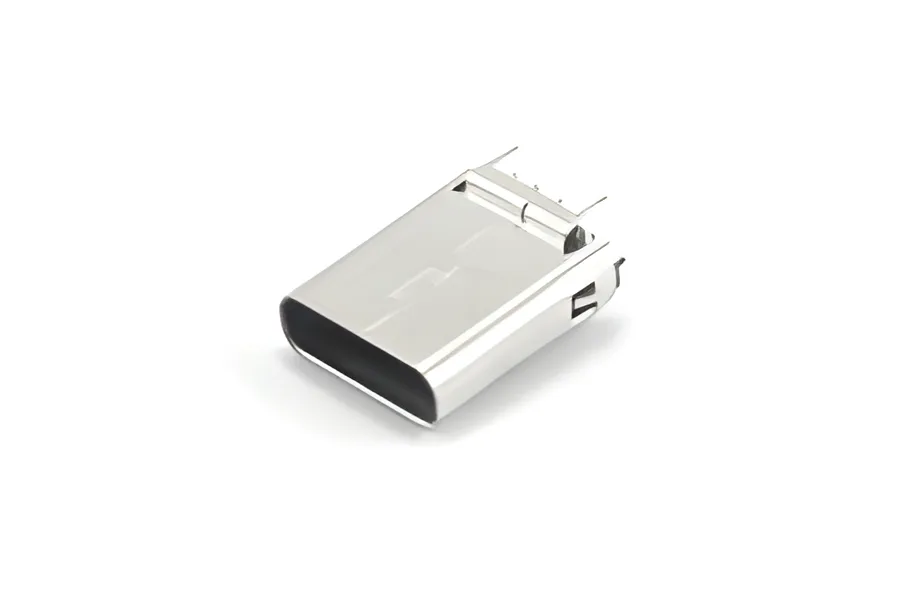
EV and Energy Storage Applications
Anderson SB connectors are used in EV and energy storage applications where their high current capacity and robust construction are valued:
EV battery packs: SB120 and SB175 connectors are used for battery module interconnects and service disconnect points in EV battery packs. The genderless design simplifies assembly.
Solar storage systems: Home battery systems (like DIY LiFePO4 builds) use Anderson connectors for battery-to-inverter connections.
Electric forklifts: The original application for Anderson connectors — connecting forklift batteries to the vehicle. SB350 connectors are standard for this application.
Golf carts and NEVs: Anderson connectors are used for battery connections in golf carts and neighborhood electric vehicles.
Wiring Anderson Plugs
Anderson connectors use crimp contacts that are inserted into the housing after crimping. The process:
- Strip the wire to the specified length (typically 12–15mm)
- Crimp the contact onto the wire using the correct crimp tool (Anderson recommends specific tools for each contact size)
- Insert the crimped contact into the housing until it clicks into place
- Repeat for the second conductor
- Clip the two housings together with the retaining clip
Important: Anderson connectors are single-pole — each housing carries one conductor. For a 12V circuit, you need two housings (one for positive, one for negative) clipped together.
Wire Sizing for SB50
For the SB50 at 50A continuous:
- Minimum: 6mm² (10 AWG) for short runs (< 1m)
- Recommended: 6mm² for runs up to 3m, 10mm² for longer runs
- Voltage drop: Size the cable to keep voltage drop < 0.5V at maximum current
Anderson vs Other DC Connectors
| Connector | Current | Genderless | IP Rating | Common Use |
|---|---|---|---|---|
| Anderson SB50 | 50A | Yes | IP54 | 12V caravan, solar |
| Anderson SB120 | 120A | Yes | IP54 | EV, industrial |
| XT60 | 60A | No | None | RC, drones, small EV |
| XT90 | 90A | No | None | RC, medium EV |
| MC4 | 30A | No | IP67 | Solar PV strings |
| Deutsch DT | 13A/pin | No | IP67 | Automotive |
Anderson connectors offer higher current capacity than most alternatives at their price point, but lack the IP67 rating of MC4 or Deutsch connectors. For outdoor applications where water ingress is a concern, use weatherproof Anderson connectors (available with IP67 rating) or consider alternative connector types.
CZT's automotive connector range includes high-current DC connectors for caravan, EV, and industrial applications.
Summary
Anderson SB connectors are the standard for high-current DC power connections in Australian caravans, 4WDs, and solar storage systems, and are widely used in EV battery packs and industrial equipment globally.
Key points:
- Genderless design — both halves are identical
- Single-pole — two connectors required per circuit
- SB50 (50A) is the standard for 12V caravan and solar applications
- SB120/SB175 for EV and high-current industrial applications
- Color coding (grey = 12V in Australia) prevents cross-connection
- Crimp contacts — requires proper crimp tool for reliable connections
- IP54 standard — use weatherproof variants for fully outdoor applications


