Low-level sensor interfaces need contact-resistance measurements that preserve the condition being investigated. A high-energy continuity check can change a contact surface and make later low-level results misleading. Define the measurement method before handling or electrically testing suspect samples.
The automotive connector family can identify candidate interfaces, but suitability for a sensor circuit depends on its actual requirements and evidence. The Keithley Low Level Measurements Handbook explains the reason for dry-circuit methods: the test should avoid altering the contact junction that it is intended to assess.
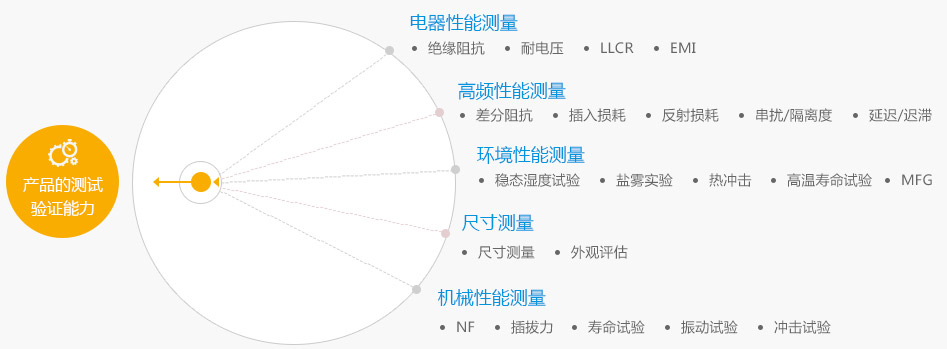
Figure 1. CZT qualification-area diagram. A low-level sensor interface needs an explicitly defined electrical measurement scope and specimen history. CZT source · Original image.
Start with the sensor error budget
Record the signal type, operating range and permissible contribution from the connection. Identify whether series resistance, intermittent interruption, leakage or another mechanism is relevant. A connector used for a power feed and one used for a small sensor signal may require different evaluation priorities.
Describe the actual contact pair, wire termination and environment. Do not select a finish or declare a contact suitable using only a generic resistance value from another product.
Decide what must be measured before environmental or mechanical exposure, what is measured afterwards and which measurements could disturb the specimen.
Establish the low-level measurement setup
Use the applicable product specification and measurement guidance to define source limits and sense locations. Where the method uses separate current and voltage leads, document their attachment points so lead resistance is not confused with the intended contact path.
| Record field | What it clarifies |
|---|---|
| Source limits | Electrical stimulus applied to the specimen |
| Sense locations | Portion of the path being measured |
| Specimen preparation | Cleaning, handling and prior tests |
| Ambient and stabilization | Conditions affecting repeatability |
| Measurement order | Whether earlier tests could alter the contact |
Record instrument range, calibration status and repeatability checks. A very small displayed number is not useful without understanding the measurement uncertainty and path definition.
Preserve individual results
Track each sample and contact position through the exposure sequence. Report distributions and changes rather than only an average across all positions. One unstable path can matter even when the batch mean changes little.
For a hypothetical position sensor, the investigation might compare untouched samples with samples after a defined environmental sequence. Keep the groups and prior test histories explicit. Cleaning or remating one group before measurement would introduce another variable.
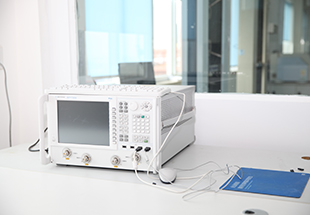
Figure 2. CZT high-frequency instrument. Published electrical-evaluation equipment illustrates documentation of measurement configuration; it is not identified as a dry-circuit resistance setup. CZT source · Original image.
Connect evidence to the application
Evaluate the measurements against the sensor circuit's requirements and the actual component acceptance criteria. If a system symptom remains unexplained, retain that uncertainty and plan the next focused experiment.
A low-level resistance result does not by itself establish complete sensor accuracy, environmental life or cross-brand compatibility. The useful approval links the contact configuration, measurement method, exposure conditions and circuit budget. That record helps engineering decide whether a later terminal, plating or assembly change affects the evidence needed for the sensor interface.
Connect this review to CZT product information
Start with the relevant CZT product family and provide the original interface reference or controlled drawing. Ask which configurations and supporting documents are available for the task described here. Confirm the mating arrangement, required features and project conditions before choosing an orderable part.
Browse the relevant product family · View catalog resources
Discuss a drawing, sample or quotation
Share the part or family reference, current drawing revision, operating conditions and quantities. Include the specific checks described in this article so the inquiry identifies both the component and the evidence needed for your decision. Confirm sample availability and the proposed scope with the supplier.
Request a technical review or quotation
For broader context, read the related selection guide.