Every electrical system depends on reliable connections. A poor connection — high resistance, intermittent contact, or mechanical failure — can cause anything from a flickering light to a fire. Understanding the different types of electrical connections, their strengths, and their appropriate applications is fundamental to good electrical work.
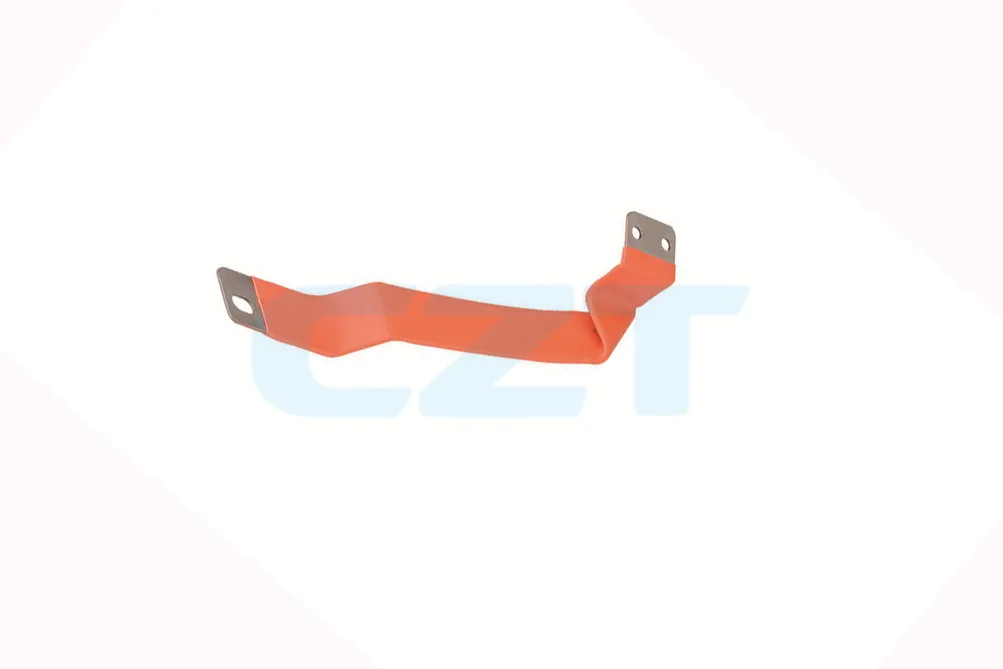
This guide covers the main electrical connection methods used in automotive, industrial, and building electrical systems.
What Makes a Good Electrical Connection?
A reliable electrical connection must provide:
- Low resistance: Minimal voltage drop and heat generation
- Mechanical strength: Resists vibration, tension, and thermal cycling
- Environmental protection: Sealed against moisture, corrosion, and contamination
- Permanence: Maintains contact force over the service life
- Safety: No exposed conductors, no risk of accidental contact
Different connection methods excel at different combinations of these requirements.
1. Crimp Connections
Crimping compresses a metal terminal around a wire conductor using a crimping tool, creating a gas-tight, cold-welded joint.
How it works: The crimping tool deforms the terminal barrel around the wire strands, displacing surface oxides and creating metal-to-metal contact under pressure.
Advantages:
- Gas-tight joint resists corrosion
- Excellent vibration resistance
- Consistent quality with the right tool
- Fast — no heat required
- Preferred by automotive and aerospace standards (SAE, MIL-SPEC)
Disadvantages:
- Requires correct tool and die for each terminal type
- Permanent — must cut to remove
- Quality depends on operator technique
Applications: Automotive wiring, wire harnesses, panel wiring, aerospace, marine
Key rule: Always use the correct crimping tool. Pliers produce unreliable crimps that fail under vibration.
2. Soldered Connections
Soldering uses a tin-lead or lead-free alloy (solder) melted around the joint to create an electrical and mechanical bond.
How it works: Heat is applied to the joint; solder flows into the gap by capillary action and solidifies when cooled.
Advantages:
- Very low resistance when done correctly
- Good for PCB and electronics work
- Can join dissimilar metals
- Inspectable — a good solder joint is shiny and smooth
Disadvantages:
- Solder wicks into wire strands, creating a stiff section that fatigues under vibration
- Requires heat — risk of insulation damage
- Slower than crimping for field work
- Lead-free solder requires higher temperatures and is more prone to cold joints
Applications: PCB assembly, electronics repair, audio connections, RF connectors
Not recommended for: Automotive wiring, high-vibration environments (solder fatigue)
3. Terminal Block Connections
Terminal blocks use a screw or spring clamp to secure a wire conductor in a metal contact.
Screw-Clamp Terminal Blocks
- A screw compresses the wire against a metal contact
- Requires a screwdriver for installation and removal
- Suitable for solid and stranded wire (use ferrules for stranded)
- Common in control panels, DIN rail wiring, building electrical
Spring-Clamp (Push-In) Terminal Blocks
- A spring mechanism grips the wire automatically when inserted
- Tool-free installation (some require a screwdriver to release)
- Faster than screw-clamp
- Consistent clamping force — not affected by screw torque variation
- Common in modern control panels and building wiring
Advantages:
- Removable and reusable
- Easy to inspect and test
- Suitable for field wiring
- Available in many configurations (single, double, fused, disconnect)
Applications: Control panels, DIN rail systems, building electrical, industrial machinery
4. Push-In Wire Connectors (Wago-Style)
Push-in connectors (popularized by Wago's LEVER-NUTS and 221 series) use a spring contact that grips the wire when inserted.
How it works: Strip the wire, insert into the connector — the spring contact grips automatically. A lever or button releases the wire.
Advantages:
- Extremely fast — no tools required
- Reusable (lever-type)
- Accepts solid, stranded, and fine-stranded wire
- Transparent housing allows visual inspection
- Rated for 24 A / 450 V (Wago 221 series)
Disadvantages:
- Higher cost than wire nuts
- Not suitable for high-vibration without strain relief
- Maximum wire size typically 6 mm²
Applications: Building electrical (junction boxes, lighting), HVAC, solar installations, quick repairs
5. Wire Nuts (Twist-On Connectors)
Wire nuts use a tapered metal spring inside a plastic cap. Wires are inserted and the cap is twisted, causing the spring to grip the conductors.
Advantages:
- Very low cost
- No tools required
- Widely available
- Suitable for solid and stranded wire
Disadvantages:
- Can loosen under vibration
- Difficult to inspect without removing
- Not suitable for automotive or industrial applications
- Banned in some jurisdictions for certain applications
Applications: Residential building electrical (junction boxes, light fixtures)
6. Mechanical Lug Connections
Mechanical lugs use a set screw or bolt to clamp a cable conductor against a contact surface.
Types:
- Set-screw lugs: One or two screws compress the conductor
- Compression lugs: Hydraulic or mechanical crimping for large cables
- Bolted lugs: Ring terminal bolted to a stud or busbar
Applications: Switchgear, panel boards, motor terminals, busbar connections, battery cables
Key requirement: Torque to specification — under-torqued connections cause resistance heating; over-torqued connections damage conductors.
7. IDC (Insulation Displacement Connections)
IDC connectors pierce through the wire insulation to make contact with the conductor — no stripping required.
How it works: The wire is pressed into a slot with sharp metal edges that cut through the insulation and grip the conductor.
Advantages:
- No stripping required — fast installation
- Consistent contact force
- Used in mass-termination applications
Applications: Telephone wiring (110/66 blocks), data cabling (keystone jacks, patch panels), ribbon cable connectors
Limitations: Only suitable for solid or fine-stranded wire within a specific gauge range; not reusable.
8. Welded Connections
Welding creates a permanent metallurgical bond between conductors.
Types used in electrical work:
- Exothermic welding (Cadweld): Chemical reaction fuses conductors — used for grounding connections
- Resistance welding: Used in battery pack assembly (tab welding)
- Ultrasonic welding: Used in automotive wire harness manufacturing
Applications: Grounding systems, battery pack manufacturing, high-current busbars
Comparison Table
| Method | Removable | Vibration Resistance | Speed | Cost | Best For |
|---|---|---|---|---|---|
| Crimp | No | Excellent | Fast | Low | Automotive, aerospace |
| Solder | No | Poor | Slow | Low | PCB, electronics |
| Screw terminal | Yes | Good | Medium | Low | Control panels, building |
| Spring terminal | Yes | Excellent | Fast | Medium | Modern panels |
| Push-in (Wago) | Yes | Good | Very fast | Medium | Building electrical |
| Wire nut | Yes | Poor | Fast | Very low | Residential |
| Mechanical lug | Yes | Good | Medium | Medium | High current |
| IDC | No | Good | Very fast | Low | Data cabling |
| Weld | No | Excellent | Slow | High | Grounding, battery |
Choosing the Right Connection Method
| Application | Recommended Method |
|---|---|
| Automotive wiring | Crimp (with correct tool) |
| PCB / electronics | Solder |
| Control panel wiring | Screw or spring terminal block |
| Building electrical (junction box) | Push-in (Wago) or wire nut |
| High-current cable termination | Compression lug |
| Data cabling (patch panel) | IDC |
| Grounding electrode | Exothermic weld |
| Battery pack assembly | Resistance or ultrasonic weld |
Summary
The right electrical connection method depends on the application, environment, and whether the connection needs to be removable. Key principles:
- Crimp for automotive and high-vibration — gas-tight, vibration-resistant, fast
- Solder for electronics — low resistance, but avoid in vibration-prone applications
- Terminal blocks for control panels — removable, inspectable, reusable
- Push-in connectors for building electrical — fastest installation, reusable
- Mechanical lugs for high-current — torque to specification
CZT supplies connectors, terminals, and wire harness components for automotive, industrial, and energy applications. Browse our connector range for crimp terminals, automotive connectors, and industrial connection solutions.