Every electrical system needs reliable connections. Whether you are wiring a factory automation panel, an EV charging station, or a building management system, the terminal block is the component that holds it all together — literally.
Terminal blocks are among the most specified components in electrical engineering, yet often selected as an afterthought. The wrong choice leads to loose connections, overheating, and costly downtime. The right choice delivers decades of maintenance-free performance.
This guide covers every major terminal block type in use today: screw, spring-cage, barrier, DIN rail, PCB, and pluggable. We compare specifications, explain trade-offs, and give you a clear framework for selecting the right terminal block for your application. If you work with industrial connectors or design systems for harsh environments, this is your reference.
What Is a Terminal Block?
A terminal block is a modular, insulated connector that joins two or more electrical wires without splicing or soldering. It consists of a clamping mechanism housed in an insulating body, typically made from nylon, polycarbonate, or ceramic. Terminal blocks serve three core functions:
- Connection — a secure electrical junction between conductors.
- Organization — structured, labeled wire routing.
- Serviceability — individual circuits can be disconnected without disturbing adjacent wiring.
Unlike crimping or soldering, terminal blocks allow repeated connection and disconnection, making them essential in control panels, distribution boards, and any system requiring periodic maintenance. They are governed by IEC 60947-7-1 (industrial) and UL 1059 (North America), which define current rating, voltage rating, temperature rise, and mechanical endurance requirements.
Screw Terminal Blocks
The screw terminal block is the oldest and most widely recognized type. A screw compresses a metal clamp plate against the conductor, creating a gas-tight connection through mechanical force.
How they work: Strip the wire, insert it into the cavity, and tighten the screw. Torque specifications typically range from 0.5 Nm to 2.5 Nm depending on wire gauge.
Specifications:
- Wire range: 26–2 AWG (0.14–35 mm²)
- Current rating: up to 150 A
- Voltage rating: up to 1,000 V
- Operating temperature: -40°C to +105°C
Advantages:
- High pull-out force and secure retention
- Visual confirmation of connection (screw position)
- Wide availability and low cost
- Compatible with solid, stranded, and ferrule-terminated conductors
Disadvantages:
- Requires a screwdriver and proper torque
- Screws can loosen over time due to thermal cycling and vibration
- Slower installation compared to tool-free alternatives
- Periodic retorquing may be required in high-vibration environments
Best applications: Building wiring, HVAC control panels, power distribution, and general-purpose industrial wiring where vibration is minimal.
Spring-Cage Terminal Blocks
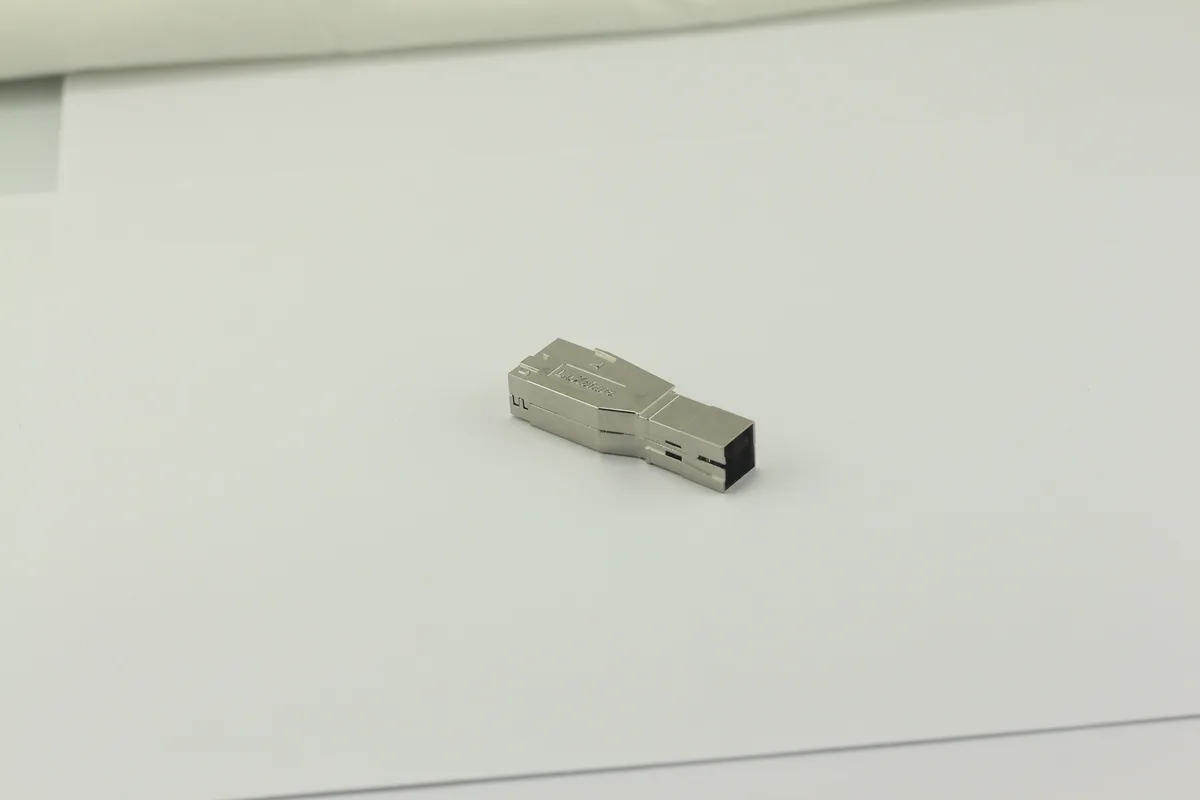
Spring terminal blocks (also called spring-cage or push-in terminal blocks) use a stainless steel spring to clamp the conductor. No screw, no tool — push the wire in and the spring does the rest.
How they work: A pre-loaded spring exerts constant pressure on the inserted conductor. Solid wires and ferrule-terminated stranded wires insert directly. Bare stranded wires require a push button or lever to release the spring.
Specifications:
- Wire range: 28–8 AWG (0.08–10 mm²)
- Current rating: up to 57 A
- Voltage rating: up to 800 V
- Operating temperature: -40°C to +105°C
Advantages:
- Tool-free installation (solid wire and ferrule)
- Vibration-resistant — spring maintains constant clamping force
- Maintenance-free — no retorquing required
- Faster wiring time (up to 50% faster than screw type)
- Consistent contact pressure regardless of operator skill
Disadvantages:
- Lower maximum current ratings compared to screw types
- Bare stranded wire requires a release tool or lever
- Higher unit cost than basic screw terminals
- Limited wire gauge range at the upper end
Best applications: Automotive manufacturing, EV charging infrastructure, building automation (KNX/BACnet), railway signaling, and any application where vibration resistance and fast installation matter.
Barrier Terminal Blocks
Barrier terminal blocks are designed for high-power, high-voltage applications where conductor separation and finger safety are critical. Raised barriers between positions prevent accidental contact between adjacent conductors.
How they work: Each terminal position is isolated by molded plastic barriers extending above the conductor entry. Connection is via screw clamps or stud-and-nut fasteners. Many include flip-up covers for additional protection.
Specifications:
- Wire range: 22–2/0 AWG (0.34–67.4 mm²)
- Current rating: up to 200 A
- Voltage rating: up to 1,500 V
- Operating temperature: -40°C to +120°C
Advantages:
- Finger-safe design meets IP20 or higher protection ratings
- High current and voltage capacity
- Physical separation prevents arc tracking between terminals
- Available with solder lugs, quick-connect tabs, and ring terminal studs
- Robust construction for harsh environments
Disadvantages:
- Larger footprint than other terminal block types
- Higher cost per position
- Not suitable for high-density panel layouts
- Requires ring terminals or spade lugs for optimal connection
Best applications: Power distribution panels, motor control centers, marine electrical systems, solar combiner boxes, and any application exceeding 50 A or 600 V.

DIN Rail Terminal Blocks
The DIN rail terminal block is the standard building block of industrial control panels worldwide. These modular terminals snap onto a 35 mm DIN rail (EN 60715), enabling rapid assembly and reconfiguration.
How they work: A spring clip on the back snaps onto a standard 35 mm top-hat DIN rail. Terminals sit side by side, held in place by end plates. Internal connections can be screw, spring-cage, or push-in depending on the model.
Specifications:
- Wire range: 26–2/0 AWG (0.14–70 mm²)
- Current rating: up to 232 A (depending on cross-section)
- Voltage rating: up to 1,000 V
- Mounting: 35 mm DIN rail (TS 35)
Advantages:
- Modular — add, remove, or rearrange terminals without rewiring
- Standardized mounting compatible with all major panel builders
- Wide range of accessories: jumpers, end plates, markers, test plugs, fuse holders
- Available in feed-through, ground, fuse, disconnect, and sensor configurations
- Color-coded housings for circuit identification
Disadvantages:
- Requires DIN rail infrastructure
- Higher cost than standalone terminal strips
- Overkill for simple, low-density wiring tasks
Best applications: PLC and automation panels, motor control centers, power distribution, process control, railway systems, and any application requiring modular, maintainable wiring.
PCB Terminal Blocks
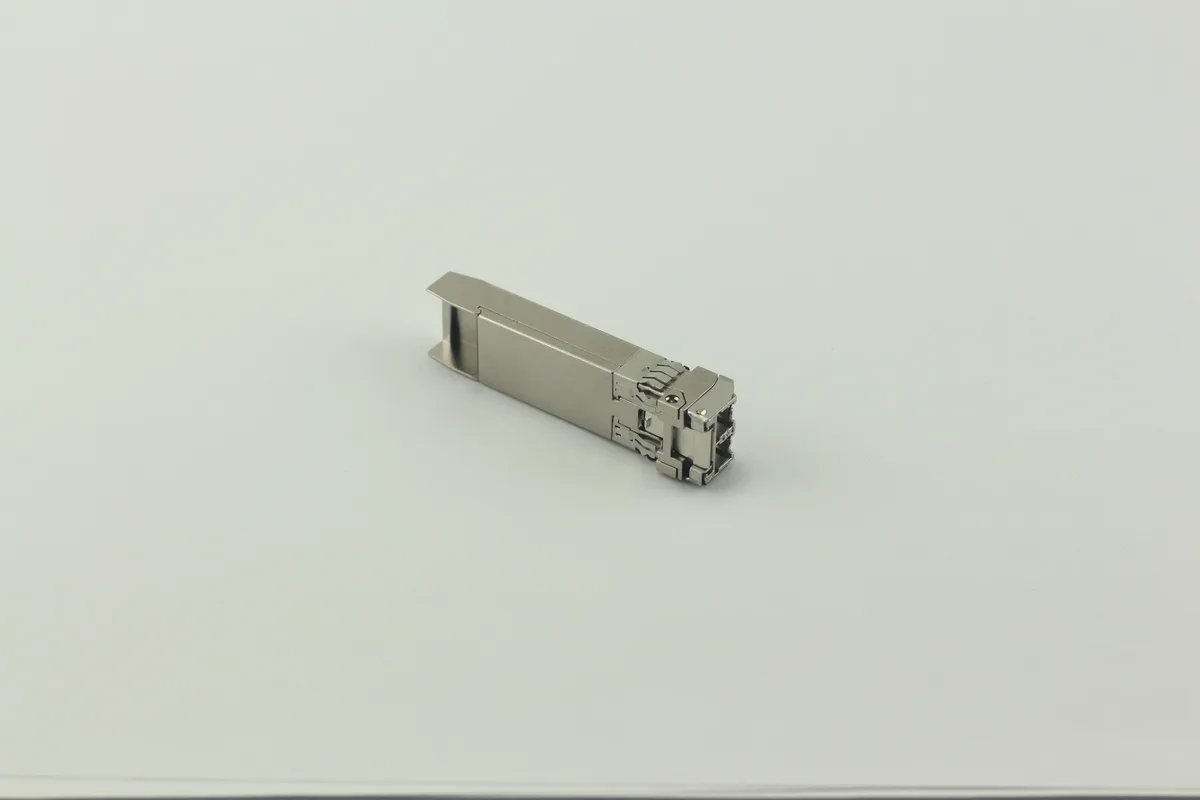
PCB terminal blocks mount directly onto printed circuit boards, providing a soldered or surface-mount connection point for field wiring.
How they work: Pins on the terminal block are soldered into through-hole or surface-mount pads on the PCB. Field wires connect via screw, spring, or push-in mechanisms on top. Pitch (center-to-center distance) is a critical specification, typically ranging from 2.54 mm to 10.16 mm.
Specifications:
- Wire range: 28–12 AWG (0.08–4 mm²)
- Current rating: up to 41 A (varies by pitch and cross-section)
- Voltage rating: up to 630 V
- Pitch: 2.54 mm, 3.5 mm, 3.81 mm, 5.0 mm, 5.08 mm, 7.5 mm, 7.62 mm, 10.16 mm
Advantages:
- Eliminates hand-soldering of field wires to the PCB
- Available in vertical and horizontal entry orientations
- Compact footprint for space-constrained designs
- Reflow-solderable SMD versions available for automated assembly
Disadvantages:
- Limited current capacity compared to panel-mount types
- Pitch must match PCB layout exactly
- Mechanical stress on solder joints from wire insertion and removal
- Not suitable for high-vibration environments without strain relief
Best applications: Power supplies, LED drivers, IoT gateways, sensor interfaces, and any PCB-based product requiring field-wirable connections.
Pluggable Terminal Blocks
Pluggable terminal blocks split the connection into two parts: a plug (receptacle) holding the field wires and a header (pin strip) mounted to the panel or PCB. The plug mates with the header, creating a separable interface.
How they work: The header is permanently mounted (soldered to a PCB or fixed to a panel). Field wires are terminated into the plug section at the bench or in the field. The plug inserts into the header to complete the circuit. Disconnection requires no tools and does not disturb the wiring.
Specifications:
- Wire range: 28–8 AWG (0.08–10 mm²)
- Current rating: up to 41 A
- Voltage rating: up to 630 V
- Pitch: 3.5 mm, 3.81 mm, 5.0 mm, 5.08 mm, 7.5 mm, 7.62 mm
Advantages:
- Hot-swappable — disconnect and reconnect without rewiring
- Pre-wired plugs can be assembled off-site for faster field installation
- Reduces equipment downtime during maintenance
- Keying and locking options prevent mismating
- Ideal for modular equipment design
Disadvantages:
- Two-piece system increases component cost
- Contact resistance slightly higher than direct-wire terminals
- Mating cycles are finite (typically 50–100 cycles)
- Requires matching plug and header from the same manufacturer
Best applications: Modular machinery, field-replaceable electronics, HVAC equipment, lighting control, and any product where the wiring harness must separate from the main assembly for service.
Terminal Block Comparison Table
Choosing between terminal block types comes down to matching connection method, capacity, and form factor to your requirements. The table below puts all six types side by side.
| Type | Wire Range (AWG) | Max Current | Max Voltage | Connection Method | Vibration Resistance | Best For |
|---|---|---|---|---|---|---|
| Screw | 26–2 | 150 A | 1,000 V | Screw clamp | Moderate | General industrial, HVAC, power distribution |
| Spring-Cage | 28–8 | 57 A | 800 V | Push-in / spring | Excellent | Automation, automotive, railway, EV charging |
| Barrier | 22–2/0 | 200 A | 1,500 V | Screw / stud | Moderate | High-power distribution, marine, solar |
| DIN Rail | 26–2/0 | 232 A | 1,000 V | Screw / spring / push-in | Good to Excellent | Control panels, PLC wiring, switchgear |
| PCB | 28–12 | 41 A | 630 V | Solder to PCB + screw/spring | Low to Moderate | Power supplies, IoT, LED drivers |
| Pluggable | 28–8 | 41 A | 630 V | Plug-in + screw/spring | Moderate | Modular equipment, field service, lighting |
Key takeaway: No single terminal block type is universally superior. Screw terminals dominate in legacy and high-power installations. Spring-cage terminals are gaining ground in modern automation and automotive applications due to speed and vibration resistance. DIN rail terminals remain the backbone of industrial panel building.

How to Choose the Right Terminal Block
Selecting a terminal block connector is an engineering decision, not a purchasing decision. Here is a systematic approach.
1. Determine the electrical requirements. Start with maximum current, voltage, and wire gauge. Derate current ratings by 20-25% for continuous duty. Verify the terminal's rated cross-section accommodates your conductor with margin.
2. Assess the environment. Temperature, vibration, moisture, chemicals, and UV all influence material selection. For washdown or outdoor use, specify IP67-rated terminals with halogen-free, UL94 V-0 housings. For high-vibration environments (automotive, railway, marine), spring-cage terminals outperform screw types.
3. Choose the mounting method. DIN rail for industrial panels. PCB-mount for board-level integration. Panel-mount for standalone enclosures. The mounting method often narrows your options to one or two terminal block types.
4. Evaluate installation and maintenance needs. If speed matters (high-volume panel building), spring-cage terminals save significant labor. If field serviceability matters, pluggable terminals are the clear choice. If the system is installed once and rarely touched, screw terminals offer proven reliability at the lowest cost.
5. Verify standards compliance. IEC 60947-7-1 for industrial. UL 1059 for North America. EN 50155 for railway. USCAR and LV 214 for automotive. CZT connectors are manufactured under ISO 9001 and IATF 16949, meeting global OEM traceability requirements.
6. Consider total cost of ownership. A spring terminal block costs more per unit than a screw terminal, but labor savings on a 500-terminal panel can offset the difference in a single shift. Factor in installation time, retorquing, warranty claims, and field service — not just the BOM line item.
Terminal Block Installation Best Practices
Even the best terminal block will fail if installed incorrectly. Follow these practices to ensure reliable, long-lasting connections.
Wire preparation:
- Strip insulation to the manufacturer's specified length (typically 8–12 mm). Too short reduces contact area; too long exposes bare conductor.
- Use calibrated wire strippers to avoid nicking the conductor.
- For stranded wire in screw terminals, always use ferrules to prevent splaying.
Torque control:
- Use a calibrated torque screwdriver. Under-torqued screws loosen; over-torqued screws damage conductors or strip threads.
- Typical values: 0.5 Nm (24 AWG), 0.8 Nm (18 AWG), 1.2 Nm (14 AWG), 2.0 Nm (10 AWG). Always defer to the datasheet.
- Retorque after 24–48 hours on critical circuits to account for conductor settling.
Labeling and testing:
- Label every terminal position with a unique circuit identifier. Color-code by function: blue for neutral, green/yellow for ground, red or orange for safety.
- Perform continuity testing on every circuit after installation.
- Measure contact resistance with a milliohm meter — a good connection reads below 5 milliohms.
- On high-current circuits, run a thermal imaging scan under load to catch hot spots.

Frequently Asked Questions
What is the difference between a terminal block and a connector? A terminal block is a type of connector designed for permanent or semi-permanent field wiring, typically panel-mount or DIN rail-mount. "Connector" is a broader term covering plugs, sockets, headers, and board-to-board interfaces. Terminal blocks are optimized for wire-to-wire or wire-to-board connections in fixed installations.
Can I mix wire gauges in the same terminal block? Most terminal blocks accept a range of wire gauges (for example, 24–12 AWG). You can connect different gauges within that range to the same strip, but avoid connecting vastly different gauges to the same clamping point — the smaller wire may not receive adequate clamping force.
How often should screw terminal blocks be retorqued? Retorque after the first 24–48 hours, then annually for general industrial use. In high-vibration environments, check every 6 months. Spring-cage terminals eliminate this requirement entirely.
Are spring terminal blocks as reliable as screw terminal blocks? Yes. Independent testing by VDE and UL shows spring-cage connections meet or exceed screw connections in vibration resistance, contact resistance stability, and long-term reliability. Major automotive and railway OEMs have standardized on spring-cage technology for this reason.
What terminal block type is best for outdoor or harsh environments? Select housings rated UL94 V-0 (flame retardant) with IP20 minimum finger protection. For direct exposure to moisture or chemicals, install inside an IP65/IP67 enclosure. Barrier blocks with covers suit high-voltage outdoor applications like solar combiner boxes. Polyamide (PA 6.6) housings offer strong chemical and UV resistance.
Partner with CZT for Your Terminal Block and Connector Needs
CZT (Wenzhou Yihua Connector Co., Ltd.) manufactures terminal blocks and industrial connectors for automotive, energy, and industrial applications. With 30+ years of experience and ISO 9001 / IATF 16949 certification, we deliver the quality and technical support engineers demand.
Whether you need standard DIN rail terminal blocks for a control panel or custom terminal block connectors for an EV charging system, our engineering team is ready to help.