A heat sink should be selected against a thermal budget, not by its external dimensions alone. Start with the maximum allowable component temperature, the local air temperature, and the heat that must leave the device. The result is a permissible temperature rise and a set of interface requirements that candidate heat sinks must meet in the actual enclosure.

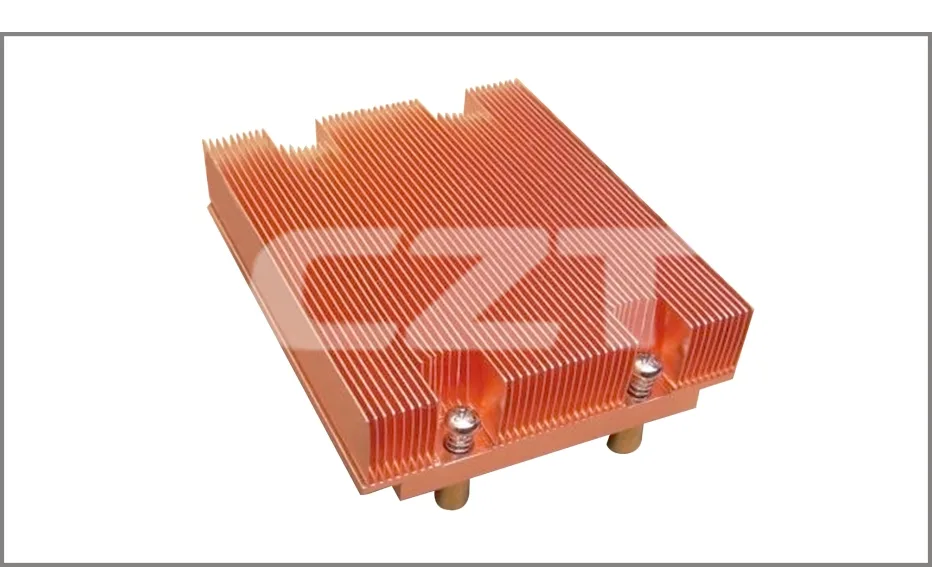
Figure 1. CZT SRQ-CC-01 heat sink. A heat-sink shape is only a candidate for the thermal-budget review; the photograph supplies no thermal-resistance or power rating. CZT source · Original image.
Separate the thermal path
For a simple, single-source steady-state estimate, heat travels from the junction through the package, interface material and heat sink into the surrounding air. Write these contributions separately. A junction-to-ambient number measured on a reference board cannot automatically replace the package and interface terms in a different assembly.
Use the device manufacturer's definitions for junction, case and board reference temperatures. If several devices share a sink, or a significant fraction of heat leaves through the PCB, treat the simple series model as a screening calculation. A more representative model or measurement is needed before committing the design.
Build a budget with explicit assumptions
The following worksheet is a starting point rather than a universal acceptance limit.
| Input | Record | Why it changes selection |
|---|---|---|
| Dissipated power | Operating mode and duty cycle | Input electrical power may exceed actual heat generation |
| Temperature limit | Device limit and design margin | Defines the usable rise rather than a desirable room-temperature result |
| Local air temperature | Measured near the sink inlet | Cabinet air can be hotter than room air |
| Package and interface path | Defined resistance and mounting condition | Uses part of the available temperature difference |
| Air movement | Orientation, flow path and obstruction | Determines which supplier performance curve is relevant |
For illustration only, a 20 W heat source with a 50 degree Celsius allowable rise has a total path budget of 2.5 degrees Celsius per watt. That budget includes every thermal contribution in the assumed path. It is not an SRQ-series performance figure or a measured CZT result.
Compare candidates under the same conditions
A candidate meeting a catalog resistance at forced airflow may fail in a quiet enclosure. Ask for the curve's mounting orientation, heat-source footprint, interface and air-velocity definition. A fan's rated free-air flow does not establish the velocity through the fins after filters, cables and bypass gaps are added.
When browsing CZT heat-sink references, use the model identifier to obtain a dimensional drawing and discuss the intended operating conditions. The available SRQ model labels do not establish an alloy, thermal resistance or supported power without further evidence.

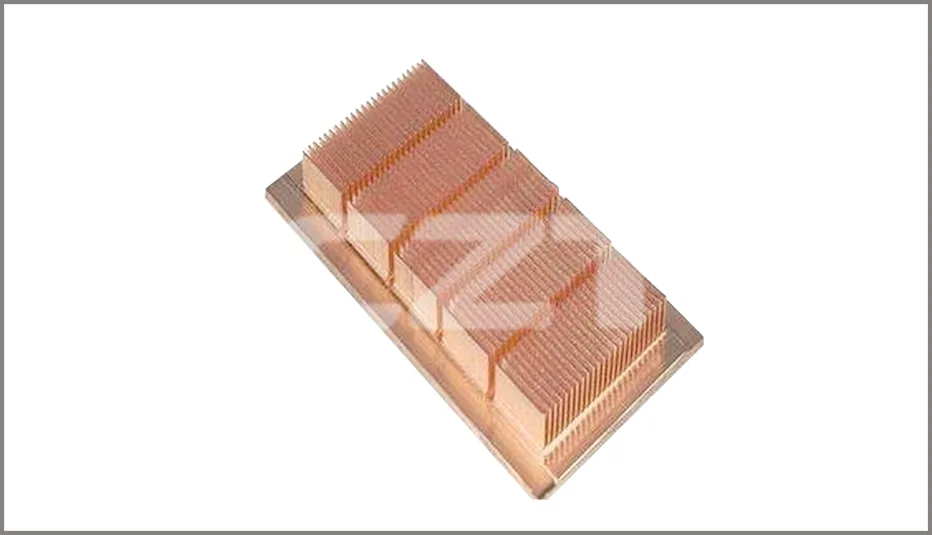
Figure 2. CZT thermal-analysis example. The official thermal-analysis example illustrates method and boundary definition, not the performance of SRQ-CC-01. CZT source · Original image.
Close the budget with a representative build
Instrument the heat source, base and incoming air so the measured rise can be interpreted. Run the most demanding sustained mode and document when temperatures stop changing under the agreed criterion. Repeat after relevant mounting or airflow changes. Release the candidate only when both the thermal result and the assumptions behind it are recorded; otherwise a successful bench run may be impossible to reproduce in the finished product.
Connect this review to CZT product information
Catalog references to discuss are listed below. Use the identifiers to request the current drawing and confirm the configuration required by your application.
| Catalog reference | Product information | Drawing record | Reference inquiry |
|---|---|---|---|
| SRQ-CC-01 | Heat-sink catalog record, SRQ-CC-01 | Request the current drawing | Ask about this reference |
| SRQ-CC-02 | Heat-sink catalog record, SRQ-CC-02 | Request the current drawing | Ask about this reference |
These entries identify catalog families. Their listing does not establish a numerical rating, finished-part tolerance or test approval; obtain that evidence for the requested revision.
Browse the relevant product family · View catalog resources
Discuss a drawing, sample or quotation
Share the part or family reference, current drawing revision, operating conditions and quantities. Include the specific checks described in this article so the inquiry identifies both the component and the evidence needed for your decision. Confirm sample availability and the proposed scope with the supplier.
Request a technical review or quotation