Two heat sinks can be compared fairly only when the test isolates the differences that matter. Using the same heater power is necessary, but it is not sufficient if the contact footprint, mounting pressure, airflow or temperature reference also changes between assemblies.

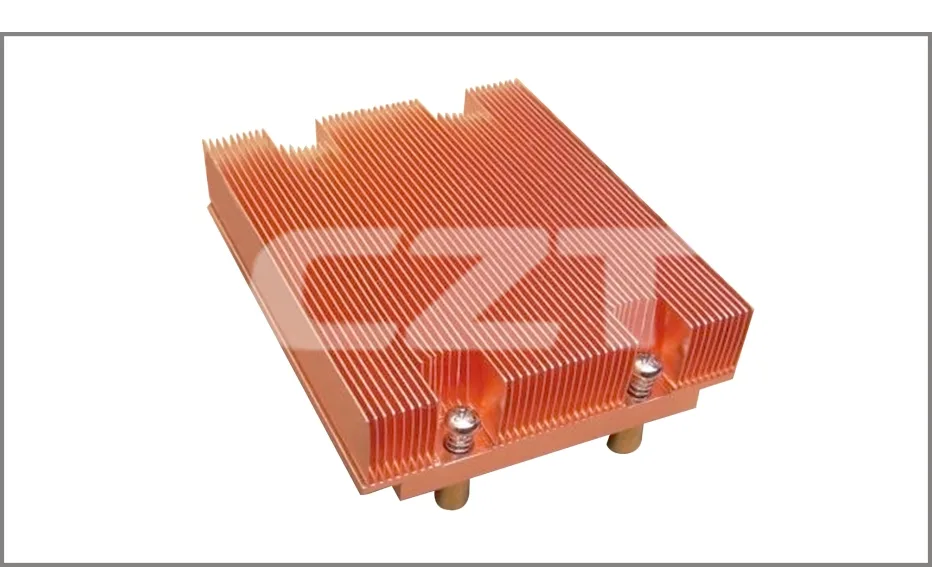
Figure 1. CZT SRQ-CC-01 heat sink. One real catalog candidate can be compared only under a defined common thermal setup. CZT source · Original image.
Define the question before choosing sensors
Decide whether the comparison concerns the complete assembly, the sink geometry, or the supplier's manufacturing repeatability. These are different experiments. A complete assembly comparison may intentionally include a different interface or fan. A geometry comparison should keep those other influences as similar as practical.
Define the reported temperature location. Junction, case, base and air temperatures describe different parts of the thermal path. Do not compare a case reading on one sample with a convenient fin-tip reading on another.
Control the comparison variables
| Variable | Keep consistent or record explicitly |
|---|---|
| Heat source | Power, contact area and power distribution |
| Interface | Material, thickness, preparation and replacement practice |
| Mounting | Hardware, load and tightening sequence |
| Air | Inlet temperature, direction, obstruction and flow condition |
| Instrumentation | Sensor position, attachment and calibration status |
| Endpoint | Agreed stability criterion and operating duration |
Photograph the complete setup and identify each sample. If the same interface pad cannot be reused without changing its condition, define a controlled replacement method rather than silently reusing a damaged pad.
Interpret differences with measurement limits
Suppose, for illustration, one sample runs a small number of degrees cooler in a single trial. Before declaring it superior, repeat the mounting and measurement. Check whether sensor placement or interface variation could explain the difference. The purpose is not to dismiss a small improvement, but to distinguish a repeatable design benefit from assembly scatter.
Use temperature rise relative to the relevant local air where appropriate, and show absolute temperatures when component limits matter. A lower rise measured in much hotter air does not necessarily provide the same margin to a device's temperature limit.
Use catalog references without inventing results
For CZT heat-sink candidates, keep the model and drawing revision beside the sample identifier. The available SRQ references help identify the item to discuss; this article does not report measured thermal results for those models.
Ask a supplier to state its test boundary so any supplied curve can be compared with the planned equipment test. Differences in source footprint, orientation or airflow should be written down before interpreting a disagreement.

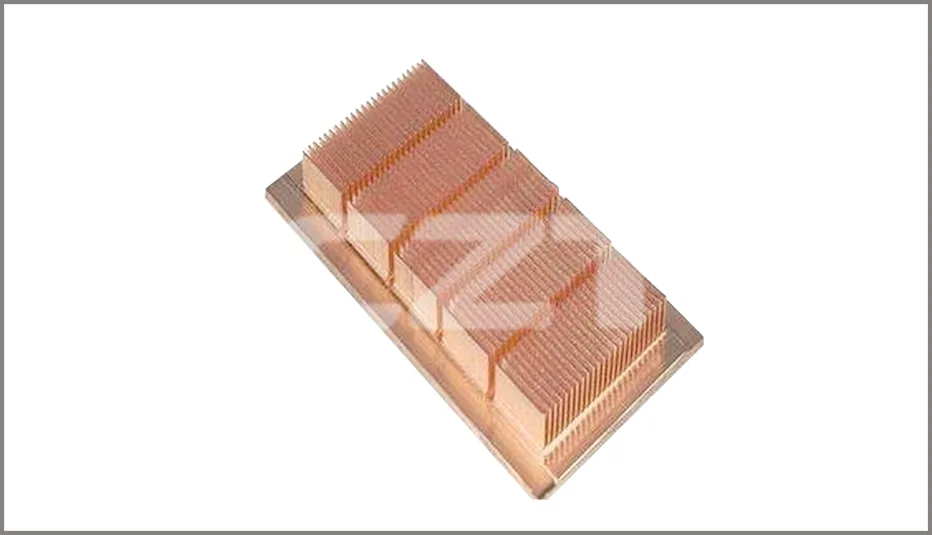
Figure 2. CZT SRQ-CC-02 heat sink. A distinct catalog candidate is shown; the two photographs do not constitute a comparative temperature test. CZT source · Original image.
Make the result useful to purchasing
Release a comparison report containing the controlled setup, repeated results and the reason for selection. Include mechanical fit and manufacturing constraints alongside thermal performance. If the selected sink requires a particular interface or airflow arrangement, carry that condition into the approved bill of materials and assembly instructions. Otherwise the purchasing decision may preserve the model number while losing the configuration that produced the result.
Connect this review to CZT product information
Catalog references to discuss are listed below. Use the identifiers to request the current drawing and confirm the configuration required by your application.
| Catalog reference | Product information | Drawing record | Reference inquiry |
|---|---|---|---|
| SRQ-CC-01 | Heat-sink catalog record, SRQ-CC-01 | Request the current drawing | Ask about this reference |
| SRQ-CC-02 | Heat-sink catalog record, SRQ-CC-02 | Request the current drawing | Ask about this reference |
These entries identify catalog families. Their listing does not establish a numerical rating, finished-part tolerance or test approval; obtain that evidence for the requested revision.
Browse the relevant product family · View catalog resources
Discuss a drawing, sample or quotation
Share the part or family reference, current drawing revision, operating conditions and quantities. Include the specific checks described in this article so the inquiry identifies both the component and the evidence needed for your decision. Confirm sample availability and the proposed scope with the supplier.