Thermal cycling can expose changes at a heat-sink mounting interface even when the sink itself remains intact. A useful evaluation therefore looks at fastener retention, relative movement and thermal contact together. Tightening a screw once and checking the final temperature alone will not show which part of the joint changed.

Figure 1. CZT SRQ-CC-01 heat sink. The visible mounting features connect the discussion to mechanical attachment, without establishing fastener torque or life. CZT source · Original image.
Define the initial assembly
Record the screw, washer, threaded feature, interface material and tightening method. Identify whether the load is controlled by a rigid fastener, spring or another arrangement. Photograph witness marks if they are part of the inspection method, but do not treat their absence of movement as proof that clamp load stayed constant.
Allow for the different expansion behavior of the assembled materials. A test fixture that constrains the sample differently from the product can create or suppress movement. The fixture drawing belongs in the evidence package alongside the temperature program.
Track mechanical and thermal observations
| Stage | Mechanical evidence | Thermal evidence |
|---|---|---|
| Before exposure | Seating, engagement and defined initial condition | Baseline under a repeatable heat load |
| During planned checks | Visible movement or damage | Temperature trend under the agreed operating state |
| After exposure | Joint inspection using the agreed method | Repeat the baseline comparison |
| After disassembly, if permitted | Contact pattern, wear and interface condition | Interpret changes alongside the physical findings |
Choose the cycling profile from the real application and qualification requirements. This article does not prescribe a universal number of cycles or a temperature range for all CZT heat sinks.
Avoid tests that change the evidence
Repeatedly retightening a sample during exposure can hide joint relaxation. Conversely, a breakaway measurement may disturb the joint and prevent further comparison. Decide in advance which checks are non-destructive and which require separate samples or end-of-test inspection.
Record any change to sensor attachment or interface material. If the final thermal result differs, compare the mounting condition before attributing the change to the sink geometry or alloy.
Connect the plan to the actual component
Use the CZT heat-sink manufacturing family to identify the candidate model and request the mounting drawing. Confirm thread details, material and finish for that version before deciding what joint behavior should be evaluated.
The available catalog references do not demonstrate a thermal-cycle qualification. Ask whether relevant existing evidence is available and, where it is not, define the test as a project requirement rather than presenting it as a passed capability.
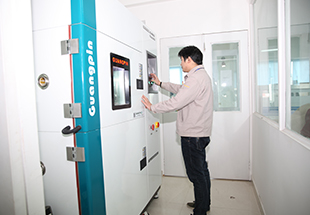
Figure 2. CZT thermal-shock equipment. The manufacturer-published thermal-shock equipment provides environmental-testing context; it is not the stated heat-cycle or retention result. CZT source · Original image.
Decide what a change means
Compare the result against the agreed functional limits, including component temperature and mounting integrity. A loose joint, interface damage or an unexplained thermal shift should lead to a documented investigation. If an interface, screw or tightening procedure changes to resolve the issue, repeat the affected evaluation on the controlled revised assembly before using the result for production approval.
Connect this review to CZT product information
Start with the relevant CZT product family and provide the original interface reference or controlled drawing. Ask which configurations and supporting documents are available for the task described here. Confirm the mating arrangement, required features and project conditions before choosing an orderable part.
Browse the relevant product family · View catalog resources
Discuss a drawing, sample or quotation
Share the part or family reference, current drawing revision, operating conditions and quantities. Include the specific checks described in this article so the inquiry identifies both the component and the evidence needed for your decision. Confirm sample availability and the proposed scope with the supplier.