A PV connector thermal-cycling and damp-heat matrix should state the exposure sequence, sample history and post-exposure acceptance checks. Naming two environmental tests is not enough to show how the connector's functions were evaluated.
For candidates in the CZT solar PV range, plan around the exact mated assembly, cable and sealing configuration. Use the applicable component and project requirements to establish conditions rather than copying durations from an unrelated product.
Decide what the exposure is intended to investigate
Thermal cycling and sustained humid heat represent different stresses. Identify which potential construction or material concerns the project needs to examine and how the selected procedure addresses them.
Keep that purpose attached to the plan. It helps explain why particular measurements are made before, during or after an exposure, instead of treating the environmental chamber as a general proof of reliability.
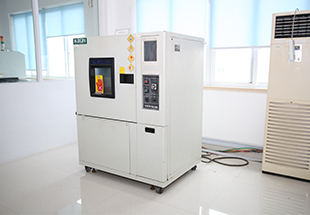
Figure 1. Temperature/humidity chamber photographed on CZT's official technical-capability page. CZT source · Original image.
Track the sample sequence
State which samples receive each exposure and in what order. A sample tested after several earlier stresses has a different history from a fresh sample. That difference may be intentional, but it must not be hidden.
Record preconditioning, mating state and recovery or measurement conditions where the procedure requires them. These details can affect interpretation and must remain associated with the results.
Build the acceptance matrix
| Evaluation point | Planned evidence |
|---|---|
| Before exposure | Identity, assembly inspection and baseline measurements |
| Exposure record | Actual chamber profile and interruptions |
| Post-exposure electrical checks | Defined resistance, insulation or other applicable results |
| Post-exposure mechanical checks | Mating, retention and visible construction condition |
| Post-exposure sealing checks | Applicable assembly-state evaluation |
| Final disposition | Requirement reference, deviations and reviewer |
Assign actual acceptance criteria before the test. A cell that says only “inspect” is incomplete unless the inspector knows what constitutes an acceptable condition.
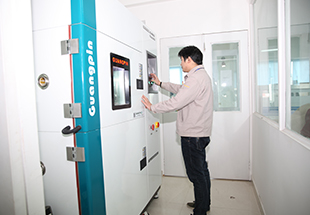
Figure 2. Thermal-shock equipment pictured in CZT's official development and verification gallery. CZT source · Original image.
Review changes as well as final values
Where the approved requirement considers change from baseline, retain the original measurement and the final measurement with consistent methods. A final value without its history can hide a significant shift, while a percentage change without absolute values can be misleading.
For a hypothetical evaluation, one sample may remain electrically functional but show an unresolved sealing issue after exposure. The result should remain divided by function rather than being summarized as an overall pass because the circuit still conducts.
Preserve failures and interruptions
Document chamber interruptions, sample handling and deviations. Determine their effect on the test's validity through the approved review process; do not quietly restart a test and discard the earlier history.
The completed matrix should identify the construction, procedure and functions actually evaluated. This creates useful qualification evidence while avoiding the unsupported conclusion that one environmental exercise proves every aspect of outdoor life or every variant in a catalogue family.
Connect this review to CZT product information
Start with the relevant CZT product family and provide the original interface reference or controlled drawing. Ask which configurations and supporting documents are available for the task described here. Confirm the mating arrangement, required features and project conditions before choosing an orderable part.
Browse the relevant product family · View catalog resources
Discuss a drawing, sample or quotation
Share the part or family reference, current drawing revision, operating conditions and quantities. Include the specific checks described in this article so the inquiry identifies both the component and the evidence needed for your decision. Confirm sample availability and the proposed scope with the supplier.
Request a technical review or quotation
For broader context, read the related selection guide.