Extrusion, die casting and skiving can produce very different heat-sink geometries, so process selection should follow the required shape and assembly function. The best starting question is which features must be formed together, which surfaces need machining, and what thermal evidence is needed for the finished component.

Figure 1. CZT SRQ-CC-01 heat sink. One official heat-sink geometry is shown without assigning an extrusion, casting or skiving process from appearance. CZT source · Original image.
Match geometry to the manufacturing route
An extrusion is useful when a repeating cross-section can form the principal geometry. Cut length, holes and functional faces may then require secondary operations. A die-cast concept can integrate more complex shapes and mounting features, but tooling, alloy behavior and casting quality become important parts of the design. Skiving forms fins from material and introduces its own limits on geometry and handling.
These descriptions identify decision variables; they do not establish which process CZT uses for a particular catalog model. Confirm the actual manufacturing route and material with the supplier before comparing quotations.
Use a process-selection matrix
| Requirement | What to compare |
|---|---|
| Fin layout | Continuous section versus local or complex geometry |
| Mounting features | Integral bosses, drilled holes and machined pads |
| Material | Specified alloy and its delivered condition |
| Contact surface | Flatness and finishing after manufacture |
| Volume | Tool investment, batch size and change frequency |
| Inspection | Features that need dimensional or internal-quality evidence |
Avoid ranking the processes using thermal conductivity alone. Overall heat rejection also depends on base spreading, fin geometry, interface conditions and airflow. A more conductive material in a constrained shape may not outperform a different assembly that uses the available air path effectively.
Compare complete cost, including secondary work
Ask each supplier to identify what the quotation includes. A nominally simple extrusion can accumulate machining, deburring and finishing operations. A casting can require machining of sealing or mounting surfaces. Fragile fins can introduce packaging and inspection costs that are absent from a basic piece-price comparison.
Use the same final drawing and acceptance requirements when asking for alternatives. If a process requires a geometry change, document the proposed difference and reassess its effect rather than treating the quotation as a direct substitute.
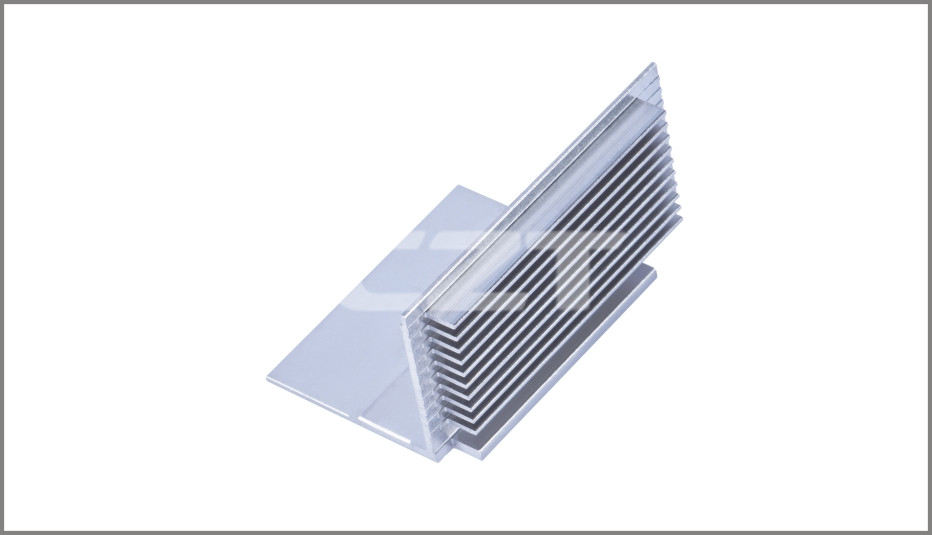
Figure 2. CZT SRQ-HJ-01 heat sink. A second official geometry supports manufacturing-route questions; its alloy and manufacturing method are not established by the picture. CZT source · Original image.
Connect the choice to product evidence
The CZT heat-sink manufacturing page and precision die-casting family are appropriate starting points for discussing alternative component concepts. Their catalog coverage does not prove that every pictured design is available in every process.
For shortlisting, request a process-specific drawing review, material designation, sample inspection plan and thermal test conditions. Evaluate a representative finished component with the intended interface and airflow. Record why the chosen process fits the geometry and program volume, including the features that must remain controlled if the source or manufacturing method changes later.
Connect this review to CZT product information
Start with the relevant CZT product family and provide the original interface reference or controlled drawing. Ask which configurations and supporting documents are available for the task described here. Confirm the mating arrangement, required features and project conditions before choosing an orderable part.
Browse the relevant product family · View catalog resources
Discuss a drawing, sample or quotation
Share the part or family reference, current drawing revision, operating conditions and quantities. Include the specific checks described in this article so the inquiry identifies both the component and the evidence needed for your decision. Confirm sample availability and the proposed scope with the supplier.
Request a technical review or quotation