An anodized heat sink needs a surface-function map before its finish is specified. Some areas may need the coating for appearance or protection, while a grounding interface, threaded feature or thermal contact area may have a different requirement. Applying one finish instruction to the whole part can create avoidable electrical or assembly problems.

Figure 1. CZT SRQ-HJ-01 heat sink. Finish and masking zones must be marked on a controlled drawing; no anodized condition is inferred from this photograph. CZT source · Original image.
Identify what each surface does
Mark thermal contact pads, chassis bonding points, screw seats, threads and visible surfaces on the drawing. Do not assume that a surface used for mounting also provides a reliable electrical connection. If the design depends on a conductive path, define that path explicitly and decide how it will be verified after finishing and assembly.
A coating can also affect the dimensional fit at a close interface. Discuss the finished condition rather than approving a machined dimension and leaving the treatment uncontrolled. The amount and distribution of change should come from the actual process definition, not an invented allowance.
Create a masking schedule
| Surface | Function | Instruction to resolve |
|---|---|---|
| Device contact pad | Heat transfer | Finish and interface material in the assembled condition |
| Grounding pad | Electrical bonding | Required contact area and verification method |
| Threaded hole | Fastener retention | Treatment, masking and final thread acceptance |
| Cosmetic face | Appearance | Color reference and permitted variation |
| Mask boundary | Transition between functions | Location, tolerance and inspection view |
Tie each instruction to a drawing zone. A note saying mask as necessary transfers the design decision to the production floor and makes it difficult to compare two suppliers' interpretations.
Check the assembled grounding path
Choose a verification method appropriate to the equipment and its applicable requirements. Record the mating surface, fastener, tightening condition and measurement points. A successful bare-part measurement does not prove the final assembly has the same connection after paint, washers or adhesives are added.
Do not remove coating from a sample informally and then treat the modified result as evidence for the delivered part. If a bonding area needs a different finish, place that requirement in the controlled manufacturing definition and request samples made to it.
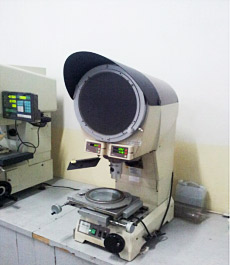
Figure 2. CZT optical-inspection equipment. Inspection context for boundary and geometry checks, not evidence of an electrical insulation or masking result. CZT source · Original image.
Request finish-specific evidence
The CZT heat-sink family can be used to identify an SRQ reference for a drawing discussion. Ask for the actual treatment options and masking feasibility for that reference; the catalog label alone does not establish electrical continuity through the finished surface.
Approve appearance and function separately. Photographs can document a visible masking boundary, but they cannot replace the defined electrical or thermal measurements. Keep the approved finish sample, drawing revision and inspection record together. If the anodizing source, color or masking method changes, reassess the affected interfaces rather than assuming a cosmetic change leaves every functional surface unchanged.
Connect this review to CZT product information
Start with the relevant CZT product family and provide the original interface reference or controlled drawing. Ask which configurations and supporting documents are available for the task described here. Confirm the mating arrangement, required features and project conditions before choosing an orderable part.
Browse the relevant product family · View catalog resources
Discuss a drawing, sample or quotation
Share the part or family reference, current drawing revision, operating conditions and quantities. Include the specific checks described in this article so the inquiry identifies both the component and the evidence needed for your decision. Confirm sample availability and the proposed scope with the supplier.