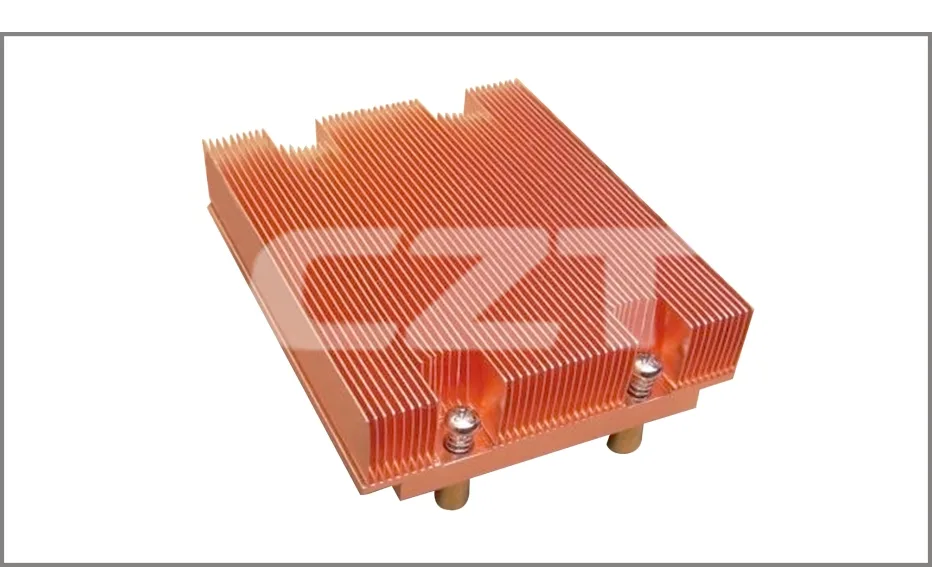
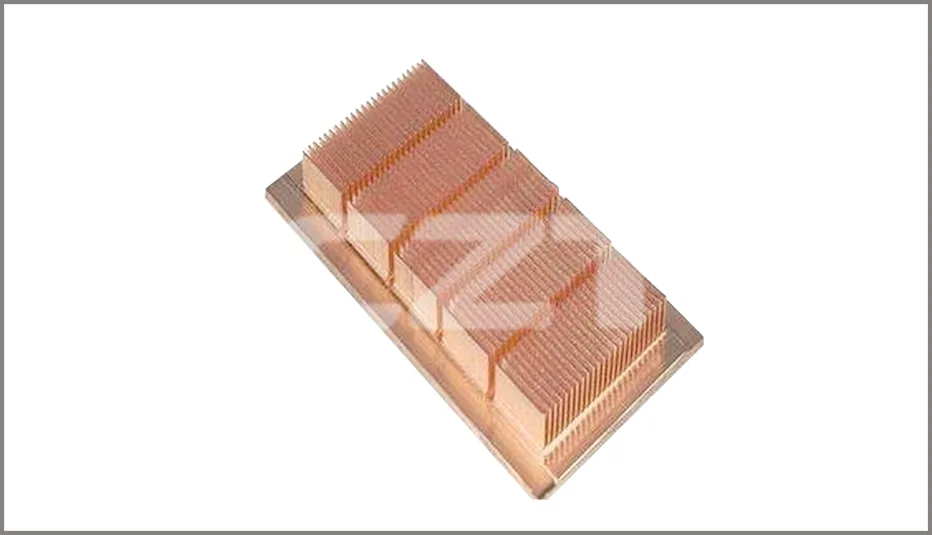
A custom heat-sink quotation becomes easier to compare when every supplier receives the same thermal problem and the same finished-part definition. A photograph and an outside dimension may identify the concept, but they do not define the conditions needed to select a process or judge a candidate's performance.

Figure 1. CZT SRQ-CC-01 heat sink. Use the catalog reference as an inquiry identifier and provide the actual thermal and dimensional requirements. CZT source · Original image.
Start with the function and installation
State what generates heat, where the heat enters the sink, and which temperature must remain below the project's limit. Include the intended enclosure, orientation and airflow arrangement. If the thermal load is still estimated, label it as an estimate and explain which operating mode it represents.
Separate existing information from requests for supplier input. For example, the mounting envelope may be fixed while fin arrangement remains open. That distinction allows an alternative proposal without silently changing the customer-controlled interface.
Use a minimum inquiry package
| Item | Information to include |
|---|---|
| Thermal brief | Loss estimate, source footprint, local air and target temperature |
| Mechanical definition | Drawing, datums, mounting hardware and keep-out envelope |
| Material and finish | Required properties, approved alternatives and functional masking |
| Manufacturing | Expected volume, likely process and permitted secondary work |
| Evidence | Dimensional inspection and agreed thermal evaluation boundary |
| Delivery | Sample quantity, production forecast, packaging and destination |
If a field is unknown, name who will resolve it. A blank field can otherwise be interpreted as freedom to choose or as a requirement that has been overlooked.
Make alternative quotes comparable
Ask suppliers to list exceptions against the same revision. Changes to material, base thickness, contact area or mounting arrangement need technical review even if the quoted price improves. Keep tooling, sample work, production pieces and any evaluation service separate so the commercial comparison does not mix unlike scopes.
Use the CZT heat-sink manufacturing page to cite an existing SRQ reference if it resembles the intended geometry. Describe the reference as a starting point, then attach the required differences. Its catalog presence does not establish a custom geometry's tooling, delivery date or thermal performance.
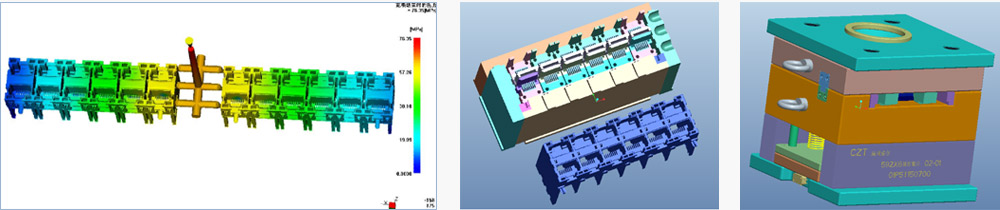
Figure 2. CZT tooling CAD examples. A drawing-led technical discussion helps distinguish required geometry from a photograph-based request. CZT source · Original image.
Define what sample approval will mean
Agree on the drawing revision, sample identification and the checks needed before a purchase decision. A sample that physically fits may still need a thermal comparison. A successful thermal test may still leave a thread or finish requirement unresolved. Track these decisions separately instead of using one undifferentiated approved status.
A useful response should identify the proposed configuration, assumptions, unavailable evidence and next engineering questions. Keep that response with the quotation and subsequent revisions. When the project moves into production, transfer the agreed drawing and inspection conditions into the order documentation so the supplier is building the reviewed part rather than an early inquiry sketch.
Connect this review to CZT product information
Catalog references to discuss are listed below. Use the identifiers to request the current drawing and confirm the configuration required by your application.
| Catalog reference | Product information | Drawing record | Reference inquiry |
|---|---|---|---|
| SRQ-CC-01 | Heat-sink catalog record, SRQ-CC-01 | Request the current drawing | Ask about this reference |
| SRQ-CC-02 | Heat-sink catalog record, SRQ-CC-02 | Request the current drawing | Ask about this reference |
These entries identify catalog families. Their listing does not establish a numerical rating, finished-part tolerance or test approval; obtain that evidence for the requested revision.
Browse the relevant product family · View catalog resources
Discuss a drawing, sample or quotation
Share the part or family reference, current drawing revision, operating conditions and quantities. Include the specific checks described in this article so the inquiry identifies both the component and the evidence needed for your decision. Confirm sample availability and the proposed scope with the supplier.