Choosing between natural convection and fan cooling requires an enclosure comparison, not a comparison between two attractive heat-sink shapes. Both methods depend on the available temperature difference, but one relies on buoyancy-driven air movement while the other introduces a controlled airflow path and additional service requirements.

Figure 1. CZT SRQ-CC-01 heat sink. Use the actual mounting orientation and airflow for this type of geometric review; no convection capability is inferred. CZT source · Original image.
Begin with the cabinet, not the fan
Sketch the heat source, permitted heat-sink envelope, inlet and outlet openings, filters, adjacent boards and cable bundles. Mark the installation orientation. A vertical bench fixture does not represent a product that will be installed horizontally or placed against a wall.
In a closed enclosure, a fan may circulate hot internal air without providing an effective route to the environment. Decide whether the design transfers heat through a chassis wall, exchanges external air, or combines both approaches. This boundary determines what a meaningful sink comparison looks like.
Compare two complete operating concepts
| Decision | Natural-convection concept | Fan-cooled concept |
|---|---|---|
| Air path | Preserve an unobstructed rising path | Define inlet, outlet and bypass control |
| Orientation | Evaluate intended mounting positions | Check flow distribution at each position |
| Maintenance | Inspect dust accumulation on exposed surfaces | Include filter loading and fan replacement access |
| Failure condition | Evaluate blocked vents and hot surroundings | Consider reduced flow or a stopped fan |
| Evidence | Temperature rise in the representative enclosure | Temperature rise plus actual airflow conditions |
Do not assume a larger surface area always wins. Closely spaced fins can add resistance to the available air movement. The useful geometry is the one that can reject the required heat under the chosen flow conditions while fitting the mechanical and maintenance constraints.
Make the comparison fair
Hold heat load, source location, interface material and clamping method constant. Measure local inlet air rather than subtracting a convenient room-temperature reading. Place the same sensors at equivalent locations and photograph the assembly. Record fan control settings and nearby obstructions, since either can change the outcome without changing the sink itself.
An illustrative comparison could test a passive enclosure concept against a smaller fan-cooled concept at the same heat load. It would not justify transferring either result to another enclosure, source footprint or mounting pressure. Present the test conditions beside the resulting temperatures so a purchasing team can understand the limits.
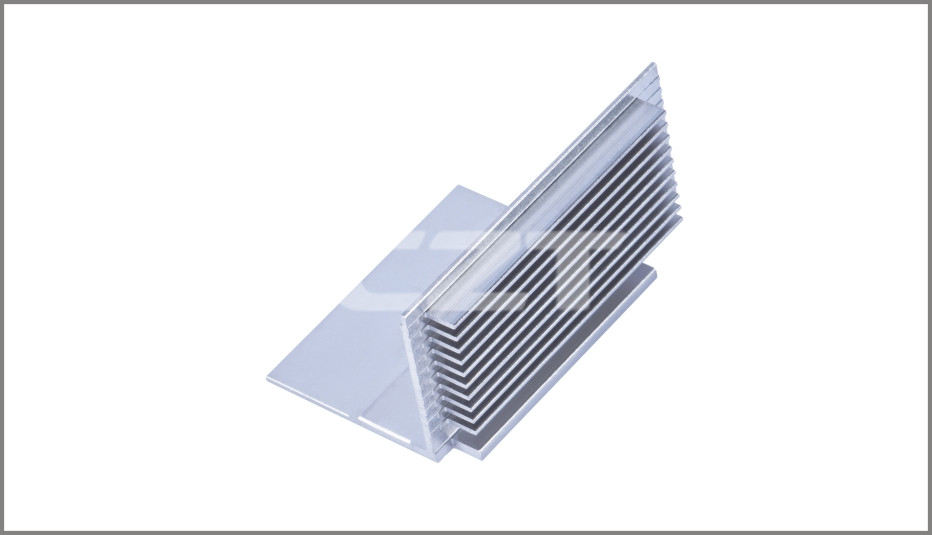
Figure 2. CZT SRQ-HJ-01 heat sink. A different catalog fin layout provides a second real shape for comparing airflow and enclosure constraints, not a ranked performance claim. CZT source · Original image.
Prepare a useful supplier discussion
The CZT heat-sink family provides catalog references for a mechanical inquiry. Send the enclosure drawing, available volume, operating orientation, target component temperature and airflow concept. Ask which additional drawing and thermal evidence is available for the shortlisted reference.
Before selecting the cheaper concept, consider the complete product. Fan cooling may introduce acoustics, wiring and maintenance work; natural convection may require a different enclosure or a larger sink. The decision should document these tradeoffs together with the measured temperature margin, so a later cost reduction does not silently remove the conditions that made the design work.
Connect this review to CZT product information
Start with the relevant CZT product family and provide the original interface reference or controlled drawing. Ask which configurations and supporting documents are available for the task described here. Confirm the mating arrangement, required features and project conditions before choosing an orderable part.
Browse the relevant product family · View catalog resources
Discuss a drawing, sample or quotation
Share the part or family reference, current drawing revision, operating conditions and quantities. Include the specific checks described in this article so the inquiry identifies both the component and the evidence needed for your decision. Confirm sample availability and the proposed scope with the supplier.