An alternative automotive connector should be approved through a documented difference review and targeted validation. Similar appearance, matching cavity count or a familiar brand comparison does not establish interchangeability. The decision must address the actual mating pair, terminal system, environment and manufacturing process.
Use the automotive connector family to locate CZT catalog candidates. Review named manufacturers' products against their own controlled documentation. This comparison does not imply an official distributor relationship or that a CZT product is a drop-in equivalent to another brand.
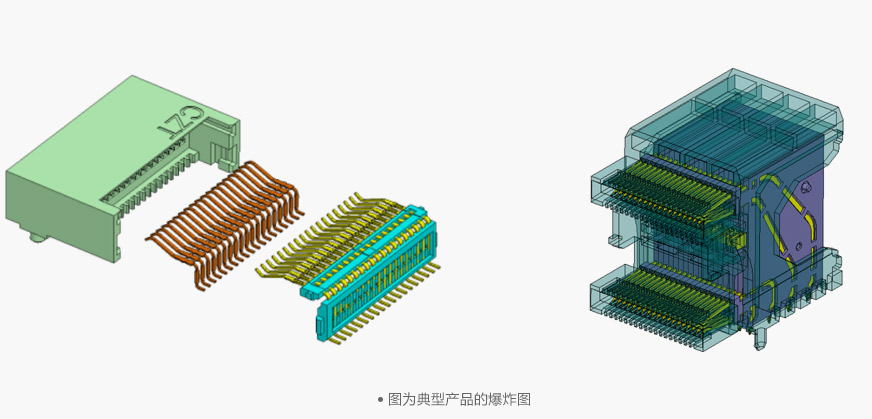
Figure 1. CZT connector CAD models. Alternative-part comparison starts with the actual mating interface, assembly definition and controlled drawings. CZT source · Original image.
Establish the baseline configuration
Identify the currently approved housing, terminal, seal, wire and mating references. Include the drawing revisions, application instructions and qualification records that define the existing design.
If the original design is known only from a field sample, record the missing information before comparing alternatives. Uncertain material or interface details cannot become confirmed requirements merely because a candidate looks similar.
Describe the application's electrical loads, signals, mechanical handling and environment. A replacement review needs to know which functions are critical before deciding what evidence can be reused.
Build a difference matrix
Compare the proposed candidate feature by feature. Mark a difference as acceptable only when there is an engineering reason and sufficient evidence. Keep unknowns distinct from matches.
| Review area | Typical evidence |
|---|---|
| Mating geometry and keying | Dimensioned drawings and inspected samples |
| Terminal and wire system | Application specifications and termination records |
| Seals and accessories | Exact references and assembly instructions |
| Electrical requirements | Relevant component and application test results |
| Manufacturing changes | Tooling, inspection and process review |
A shared mating outline does not resolve contact position, retention or sealing differences. Likewise, a corporate certificate does not establish the selected model's performance in the application.
Plan validation around the differences
Use the difference matrix to select the necessary dimensional, assembly, electrical and environmental checks. Retain the existing qualification boundary so the review does not accidentally assume broader conditions than the original evidence covered.
For a hypothetical sensor harness, a candidate may require a different terminal and crimp tool even when the housing fits the available space. That change affects production approval and potentially the wire termination evidence. It should be included in the project cost and schedule rather than discovered after purchase.
Test production-intent assemblies and identify the actual mating parts. A trial using one half from an unrelated source needs explicit justification and cannot establish general cross-brand compatibility.
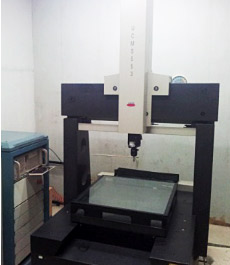
Figure 2. CZT coordinate-measurement equipment. A dimensioned difference review precedes alternative-part approval; no compatibility result is claimed. CZT source · Original image.
Release the alternative with conditions
Record the full orderable codes, approved mating arrangement, manufacturing instructions and validation results. Obtain the required customer or design-owner approval before treating the candidate as an interchangeable purchase option.
State restrictions clearly, including any requirement to replace both mating halves or keep variants separately stocked. A successful alternative review produces a controlled configuration with supporting evidence. It does not create a general claim that similarly described automotive connectors can be mixed across manufacturers.
Connect this review to CZT product information
Start with the relevant CZT product family and provide the original interface reference or controlled drawing. Ask which configurations and supporting documents are available for the task described here. Confirm the mating arrangement, required features and project conditions before choosing an orderable part.
Browse the relevant product family · View catalog resources
Discuss a drawing, sample or quotation
Share the part or family reference, current drawing revision, operating conditions and quantities. Include the specific checks described in this article so the inquiry identifies both the component and the evidence needed for your decision. Confirm sample availability and the proposed scope with the supplier.
Request a technical review or quotation
For broader context, read the related selection guide.