Qualifying an automotive connector for repeated service disconnects requires more than choosing a published mating-cycle figure. The operating method, seals, locks, cable support and electrical acceptance conditions must represent the service task. The result should describe a complete evaluated connection.
For candidates in the automotive connector family, obtain the manufacturer's actual durability requirements and service instructions. Do not transfer a limit from a related family or infer endurance from the apparent size of a latch.
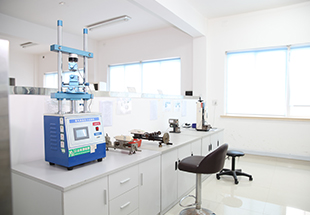
Figure 1. CZT mating-force test equipment. Relevant to measuring mating behavior across a defined service-cycle sequence; no endurance result is claimed. CZT source · Original image.
Describe the maintenance task
Estimate the expected connection and disconnection pattern from the equipment's maintenance plan. Include installation, inspection and rework operations where relevant. Identify whether a service tool is required and whether the connector is accessible in the normal installed position.
Separate intended operation from misuse conditions that the product owner has chosen to evaluate. An unspecified mixture of straight mating and forceful cable pulling produces a difficult-to-interpret result.
Record the actual mating pair and sample preparation. If a test counterpart is replaced during the trial, document when and why, because that intervention changes the wear history.
Schedule measurements across the trial
Take electrical and mechanical baselines before cycling. Define intermediate inspection stages rather than waiting only for the final count. Trend measurements can reveal a developing problem that a final pass indication obscures.
| Stage | Suggested record, where applicable |
|---|---|
| Before cycling | Contact path, mating force and assembly photographs |
| Intermediate stages | Electrical trend, seal and latch condition |
| After cycling | Retention, function and required environmental checks |
| Failure review | Event timing, affected part and preserved sample |
Use actual component and equipment limits for acceptance. The table is an organizing method, not a universal test specification.
Include seals and locking features
Inspect the relevant seals, terminal retention and assurance devices at the planned stages. Follow only the documented release and remating procedure. A connection can remain electrically conductive while a seal or locking feature no longer meets its requirement.
For a hypothetical field-service harness, a design might survive controlled bench cycling but prove difficult to release in its installed position. That indicates a service-access problem to resolve separately. More bench cycles will not demonstrate that the technician can operate the latch behind a bracket.
If maintenance includes cleaning, contamination or temperature exposure, define how those conditions enter the qualification sequence instead of assuming a dry-room cycling result covers them.

Figure 2. CZT tensile-test equipment. Retention and mechanical-condition checks complement the service-cycle plan; this is equipment imagery rather than tested performance. CZT source · Original image.
State what is approved
Identify the connector and counterpart revisions, cycle procedure, service tools, cable arrangement and measured results. List untested installation or environmental conditions openly.
After any design change, compare the affected features with the original test configuration. A revised latch, seal or wire support may require different repeat checks. The resulting record should help purchasing and service engineering recognize the approved arrangement, rather than turning a laboratory cycle count into an unlimited field-life promise.
Connect this review to CZT product information
Start with the relevant CZT product family and provide the original interface reference or controlled drawing. Ask which configurations and supporting documents are available for the task described here. Confirm the mating arrangement, required features and project conditions before choosing an orderable part.
Browse the relevant product family · View catalog resources
Discuss a drawing, sample or quotation
Share the part or family reference, current drawing revision, operating conditions and quantities. Include the specific checks described in this article so the inquiry identifies both the component and the evidence needed for your decision. Confirm sample availability and the proposed scope with the supplier.
Request a technical review or quotation
For broader context, read the related selection guide.