Chemical-exposure testing for an automotive connector should reproduce the substances and conditions encountered by the equipment. A water-ingress description does not establish resistance to cleaning agents, oils or other fluids. The test plan needs named chemicals, defined exposure and relevant post-exposure checks.
For a candidate in the automotive connector family, obtain actual housing, seal and terminal information. A catalog record may identify the product and a drawing reference, but chemical suitability requires material and assembly evidence for the exact configuration.
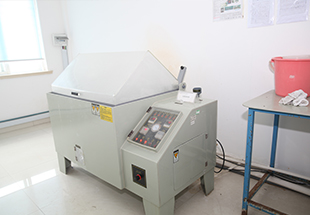
Figure 1. CZT salt-spray chamber. This corrosion-test chamber illustrates a distinct exposure method; salt spray is not a substitute for the chemical-exposure sequence in the article. CZT source · Original image.
Describe the exposure realistically
List each substance by its controlled identity or composition information. Record concentration, temperature, exposure time and application method. Distinguish occasional splash, repeated washing and continuous contact rather than using one generic washdown label.
Include the equipment's condition during exposure. A connector may be mated, capped or open during different operations. Wire entries, panel joints and service seals should be identified separately.
If the cleaning process contains several stages, record their order, rinsing and drying steps. Testing only the final diluted rinse cannot represent exposure to an earlier concentrated cleaner.
Select representative specimens
Use production-intent materials, wires, seals and mating parts. Record assembly method and any prior aging or handling. A new loose seal is not equivalent to the seal compressed in an installed connector.
| Plan item | Required detail |
|---|---|
| Chemical identity | Product, concentration and controlled information |
| Exposure | Temperature, duration and method |
| Assembly state | Mated, protected or intentionally open |
| Baseline | Photographs and relevant electrical measurements |
| Post-exposure checks | Defined functional and material acceptance |
Choose sample quantities and limits through the responsible product plan. Do not invent a universal duration or percentage concentration for all materials.
Inspect function as well as appearance
Record swelling, cracking, softening, discoloration or other relevant observations using a consistent method. Then perform the required electrical, mechanical and sealing checks. A surface that looks unchanged may still need functional verification.
For a hypothetical fleet-maintenance device, a cleaner may contact the connector repeatedly at an elevated temperature. A single room-temperature splash trial would answer a narrower question. The plan should either reproduce the maintenance condition or state clearly why a different exposure is justified.
Keep raw photographs and individual specimen results. If a failure occurs, preserve affected material for investigation before cleaning away the residue.
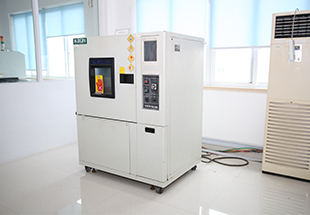
Figure 2. CZT temperature-and-humidity chamber. Temperature and humidity are documented exposure variables; the photograph does not prove resistance to any cleaner. CZT source · Original image.
Control the resulting approval
State the chemicals, conditions and assembly states covered by the result. Avoid translating a passing exposure test into unlimited chemical resistance or a lifetime prediction.
Review changes to the cleaning product, concentration, seal material or connector supplier against the original evidence. Purchasing and service teams should receive the approved boundary in practical terms. This allows the chemical-exposure result to guide actual maintenance choices while leaving unsupported combinations visibly outside the qualification.
Connect this review to CZT product information
Start with the relevant CZT product family and provide the original interface reference or controlled drawing. Ask which configurations and supporting documents are available for the task described here. Confirm the mating arrangement, required features and project conditions before choosing an orderable part.
Browse the relevant product family · View catalog resources
Discuss a drawing, sample or quotation
Share the part or family reference, current drawing revision, operating conditions and quantities. Include the specific checks described in this article so the inquiry identifies both the component and the evidence needed for your decision. Confirm sample availability and the proposed scope with the supplier.
Request a technical review or quotation
For broader context, read the related selection guide.