Unused cavities and unmated connector interfaces require different sealing decisions. A cavity plug addresses an individual position within a connector system; a cap or other protective structure may address the exposed mating interface. One should not be treated as proof that the other path is protected.
Candidates in the automotive connector family need model-specific sealing information. Aptiv's seals catalog illustrates why individual wire seals, housing seals and other sealing components are distinct categories. Their exact applicability must come from the relevant product documentation.
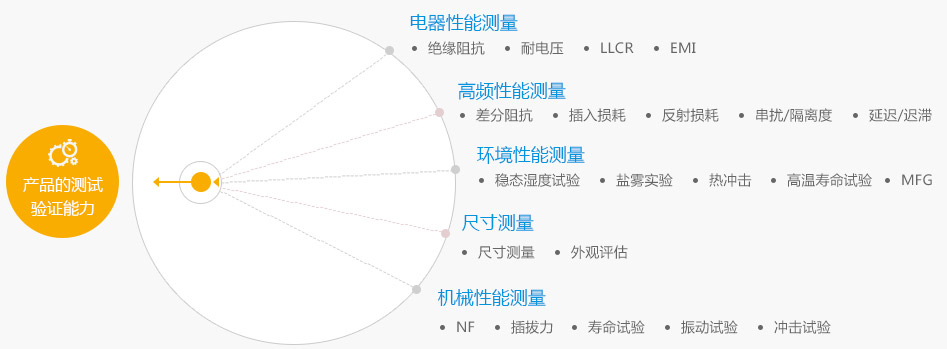
Figure 1. CZT qualification-area diagram. Unused cavities and unmated states require separately defined verification scopes in the qualification plan. CZT source · Original image.
Define the exposure states
List when the equipment is connected, disconnected, stored and serviced. Identify whether an unused port remains exposed during washing, transport or normal operation. Include the protective cap only in states where its installation is actually required and controlled.
Then map the sealing paths on a section or annotated photograph. Distinguish wire-entry cavities, the connector-to-panel interface and the mating face. This prevents a single family-level waterproof description from becoming an unsupported whole-assembly claim.
Select documented cavity treatments
For each unused position, identify the approved plug or other treatment from the exact connector-system documentation. Record its part number, installation direction and acceptance criteria. Do not substitute a spare wire seal or an improvised filler merely because it occupies the hole.
| Configuration | Information to record |
|---|---|
| Populated cavity | Terminal, wire and applicable seal |
| Unused cavity | Approved treatment and installed state |
| Mated interface | Counterpart and locking condition |
| Unmated interface | Protection part and exposure requirement |
| Panel mounting | Separate enclosure sealing details |
Keep these details in the variant BOM. A configuration change that removes a circuit can create a new sealing task even when the housing itself stays unchanged.
Validate the real assembled condition
Use representative parts and the actual assembly procedure. Before testing, inspect installation of every seal and plug. Record sample identity, mating state and any caps or protective devices present.
For a hypothetical machine with an optional accessory, test the normal connected state and the required unused-port state separately. A passing trial with the accessory attached does not answer whether the connector is protected when the accessory is omitted.
Select exposure methods and acceptance limits from the application requirements and applicable product evidence. Do not invent a rating from a visual seal inspection.
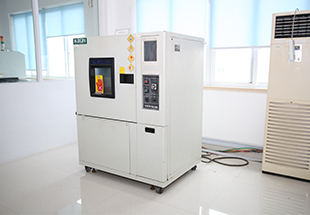
Figure 2. CZT temperature-and-humidity chamber. Environmental equipment is shown as qualification context; it does not demonstrate an IP result or an unused-cavity seal. CZT source · Original image.
Make service requirements explicit
If a protection part must be fitted after disconnection, identify it in service instructions and replacement-part records. Define whether the part is reusable and how its condition is checked using the actual manufacturer's information.
Record what the completed validation covers and what remains untested. When a cavity assignment, cable diameter, cap or panel detail changes, revisit the affected path. A useful sealing approval describes an exact assembly state and operating requirement rather than applying a broad waterproof label to every possible configuration.
Connect this review to CZT product information
Start with the relevant CZT product family and provide the original interface reference or controlled drawing. Ask which configurations and supporting documents are available for the task described here. Confirm the mating arrangement, required features and project conditions before choosing an orderable part.
Browse the relevant product family · View catalog resources
Discuss a drawing, sample or quotation
Share the part or family reference, current drawing revision, operating conditions and quantities. Include the specific checks described in this article so the inquiry identifies both the component and the evidence needed for your decision. Confirm sample availability and the proposed scope with the supplier.
Request a technical review or quotation
For broader context, read the related selection guide.