A sealed automotive connector BOM should be reviewed as a coordinated set of housing, terminal, seal and locking parts. Purchasing the correct housing does not guarantee a complete or workable assembly. Each wire position may require its own terminal and seal combination, while unused positions can need specified cavity plugs.
The automotive connector family can support candidate searches. For a named manufacturer's connector system, use that manufacturer's own component compatibility records. Aptiv's seals catalog, for example, distinguishes several seal categories rather than treating every sealing part as one interchangeable item.
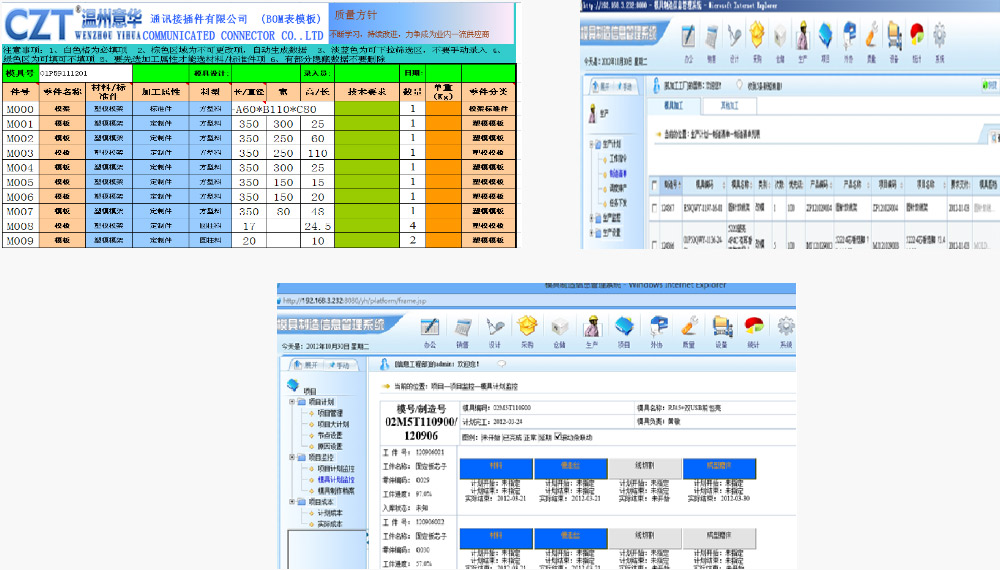
Figure 1. CZT document-management example. A housing, terminal and seal BOM needs controlled component relationships before sample ordering. CZT source · Original image.
Build the BOM around cavity assignments
Start with the approved cavity map and electrical circuit list. For every populated position, record the wire type, conductor size, insulation outside diameter and terminal reference. Keep these as separate fields because conductor size alone does not describe the sealing interface.
Identify the housing revision and mating counterpart. State whether secondary locks or other accessories arrive preinstalled, supplied loose or purchased separately. Do not let an assembly photograph make that commercial detail implicit.
Confirm each component relationship
Use the product drawing and application specification to establish acceptable pairings. Check the terminal-to-housing relationship before checking terminal-to-wire and seal-to-insulation fit. Similar-looking components may belong to different interface variants.
| BOM line | Cross-check |
|---|---|
| Housing | Keying, cavity layout and mating reference |
| Terminal | Cavity system and wire applicability |
| Wire seal | Approved terminal relationship and insulation range |
| Cavity plug | Approved unused-position application |
| Locking accessories | Required state and included quantity |
Flag missing information rather than selecting a seal by color or a terminal by approximate width. Color can be an identification aid within documented rules, but it is not a complete compatibility specification.
Count parts by the assembly state
List quantities per finished assembly and distinguish optional circuits from permanently unused positions. If several harness variants share a housing, calculate each variant separately. Otherwise, a kit prepared for one configuration may be incomplete for another.
For a hypothetical six-position harness with four populated circuits, the BOM review must address the remaining positions according to the actual connector system. Leaving two cavities out of the spreadsheet does not resolve how they are treated in the sealed assembly.
Include any permitted service replacements as separately controlled lines. A loose repair terminal should not silently replace a production terminal-and-seal combination with different preparation requirements.

Figure 2. CZT harness-production equipment. The production context reinforces that the approved BOM must describe the assembly actually built, rather than a housing alone. CZT source · Original image.
Verify the kit before release
Assemble samples using the approved components and documented tooling. Check terminal seating, lock operation, wire entry and the relevant electrical and sealing requirements. Preserve the part and material identities in the report.
Release the BOM together with its cavity map and assembly instructions. When the wire insulation, terminal plating or accessory reference changes, review the affected relationships again. A complete purchasing kit is the outcome of verified component pairings, not simply a collection of items marketed under the same broad connector family.
Connect this review to CZT product information
Start with the relevant CZT product family and provide the original interface reference or controlled drawing. Ask which configurations and supporting documents are available for the task described here. Confirm the mating arrangement, required features and project conditions before choosing an orderable part.
Browse the relevant product family · View catalog resources
Discuss a drawing, sample or quotation
Share the part or family reference, current drawing revision, operating conditions and quantities. Include the specific checks described in this article so the inquiry identifies both the component and the evidence needed for your decision. Confirm sample availability and the proposed scope with the supplier.
Request a technical review or quotation
For broader context, read the related selection guide.