A busbar engineering change should trigger a documented review of which previous evidence remains applicable. The necessary requalification depends on what changed and what performance argument used that feature. Repeating every test automatically can waste effort, while copying an old approval without examining its boundary can leave a significant gap.

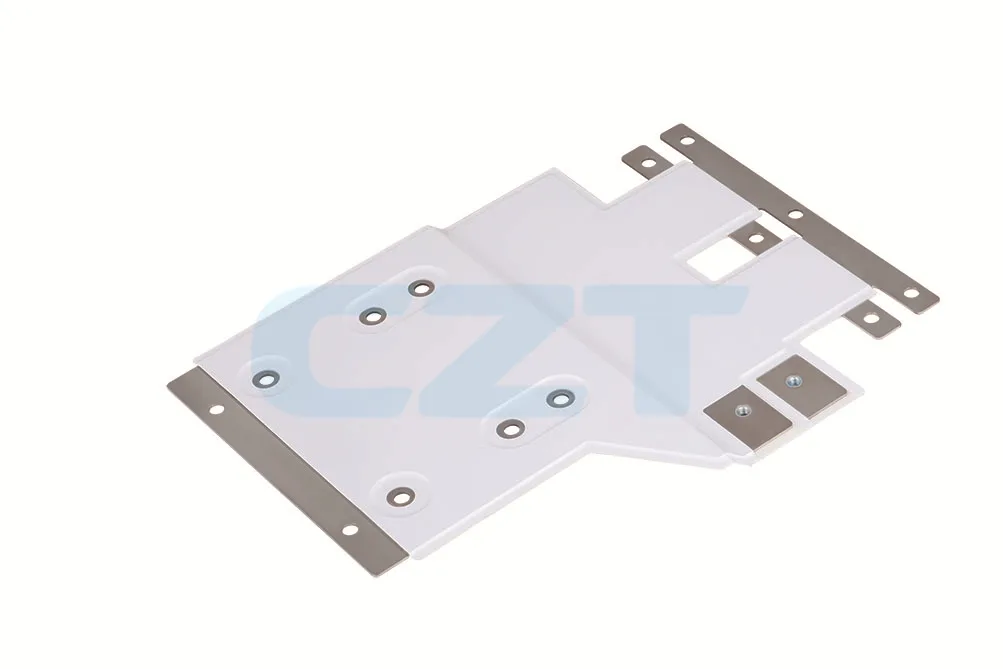
Figure 1. CZT server laminated busbar illustrates a defined construction baseline. Changes must be assessed against evidence for the actual released revision. CZT source · Original image.
Describe the change physically
Compare the old and proposed drawings, BOMs and processes. Mark changes in conductor geometry, material, contact finish, insulation, hardware and support conditions. Include supplier or process changes even when the final outline appears unchanged.
Keep the reason for the change visible. A cost reduction, fit correction or manufacturing improvement may influence different requirements. The review needs the final physical difference, not just a change-request title saying equivalent material or minor revision.
Map each change to the original evidence
Find the reports, calculations and inspection records supporting the released construction. Ask which assumptions they used. A temperature test can depend on contact hardware and enclosure conditions; an insulation argument can depend on edges and mating hardware outside the busbar drawing.
CZT's energy-storage busbar family can provide the product context for a change review. The catalog identity alone cannot show that an older report applies to a revised custom assembly.
A requalification impact matrix
| Change | Evidence area to review |
|---|---|
| Conductor shape or thickness | Fit, resistance, temperature and mechanical behavior |
| Contact finish or joint hardware | Assembly, contact stability and conditioning |
| Insulation material or boundary | Electrical separation, process and environmental evidence |
| Support location or material | Mechanical loading and relevant fault-duty evidence |
| Manufacturing or sub-supplier | Process equivalence, first article and traceability |
The matrix identifies questions rather than mandating identical tests for every change. The design authority should state why a proposed analysis, comparison or test is sufficient for the affected requirement.

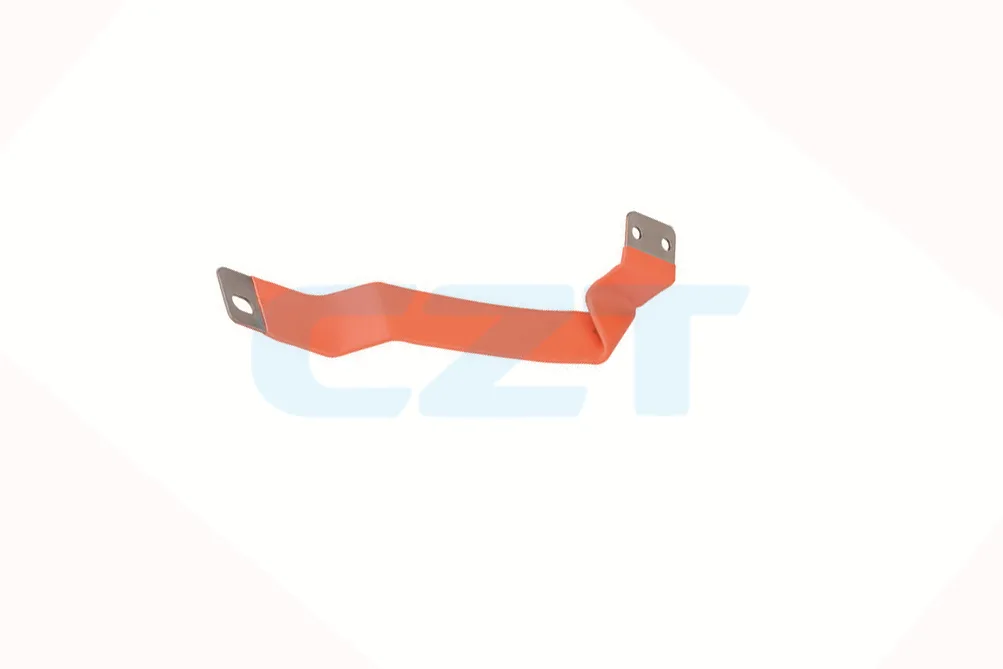
Figure 2. CZT coated busbar represents a different construction, illustrating why a shared application label cannot establish equivalent insulation or joint evidence. CZT source · Original image.
Control the transition to production
Separate pre-change and post-change lots. Define which drawing revision new orders require and how remaining stock will be handled. Update inspection fixtures, work instructions and supplier records before the new parts enter assembly.
For example, moving an insulation boundary may leave the nominal mounting dimensions unchanged while reducing separation beside a washer. A purely dimensional fit check would not resolve that electrical consequence. The change review should identify it before deciding on the verification scope.
Include software-controlled inspection programs and fixture revisions in the transition plan. A new physical drawing paired with an old measurement routine can generate misleading acceptance records, even when the received part was manufactured correctly to the revised dimensions.
Release the revision only after required actions are closed or explicitly approved through the applicable process. Keep the impact matrix with the change record, linking each decision to its evidence. Future reviewers can then understand what was inherited from the previous construction, what was rechecked and which assumptions must remain true for the approval to apply.
Connect this review to CZT product information
Catalog references to discuss are listed below. Use the identifiers to request the current drawing and confirm the configuration required by your application.
| Catalog reference | Product information | Drawing record | Reference inquiry |
|---|---|---|---|
| Energy-storage laminated busbar catalog record | Energy-storage laminated busbar catalog record | Request the current drawing | Ask about this reference |
| Energy-storage flexible-connection catalog record | Energy-storage flexible-connection catalog record | Request the current drawing | Ask about this reference |
These entries identify catalog families. Their listing does not establish a numerical rating, finished-part tolerance or test approval; obtain that evidence for the requested revision.
Browse the relevant product family · View catalog resources
Discuss a drawing, sample or quotation
Share the part or family reference, current drawing revision, operating conditions and quantities. Include the specific checks described in this article so the inquiry identifies both the component and the evidence needed for your decision. Confirm sample availability and the proposed scope with the supplier.
Request a technical review or quotation
For broader context, read the related selection guide.