Slots and oblong holes can help a battery busbar accommodate assembly position variation, but they also change the conductor and joint geometry. Review the travel requirement, remaining current path, hardware seating and mechanical loading together. A slot should be an intentional interface feature rather than an informal repair for a tolerance problem.
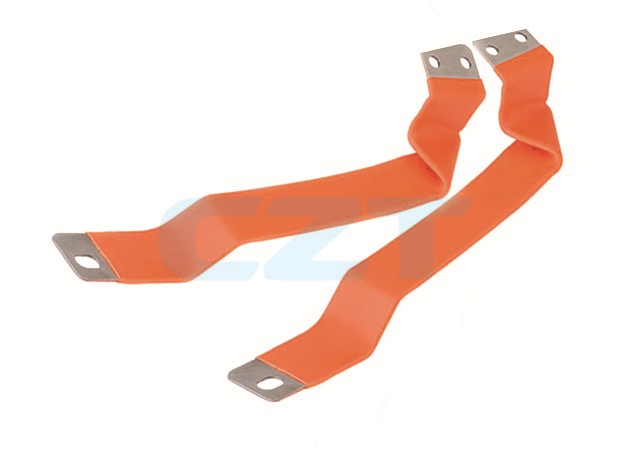
Figure 1. CZT flexible connection examples show terminal openings and bent geometry. Review contact overlap, remaining conductor and hardware seating together. CZT source · Original image.
Establish what movement is required
Separate assembly-position tolerance from movement expected during operation. Define direction and amount for each. If the slot is intended only to ease assembly, state how the completed joint is fixed afterward. If it is expected to permit movement in service, the entire sliding or flexible interface needs a separate design and validation basis.
Show the terminal's permitted position relative to the slot, including the worst case. A centered CAD model does not show how much contact overlap and edge distance remain when the terminal reaches an extreme position.
Check the complete joint footprint
Overlay the actual bolt, washer, terminal and contact faces on the busbar drawing. Assess whether the hardware seats correctly over the slot throughout the permitted position range. A washer selected only from its outer diameter may not resolve local support or contact-pressure questions.
Review the remaining conductor section and local geometry with the electrical and mechanical requirements. Do not assign a current rating solely from the slot width or the original unslotted bar size. The finished shape and installed boundary determine what must be verified.
A design review worksheet
| Question | Evidence needed |
|---|---|
| What position error is accommodated? | Assembly tolerance analysis |
| What remains at the extreme? | Overlaid hardware and contact geometry |
| How is current routed around the opening? | Electrical and thermal assessment |
| Where does force concentrate? | Mechanical assessment and representative testing |
| Can the detail be inspected? | Datum scheme and measurement method |
The worksheet should identify design owners and unresolved actions, rather than scoring a slot as acceptable because it resembles a previous part.
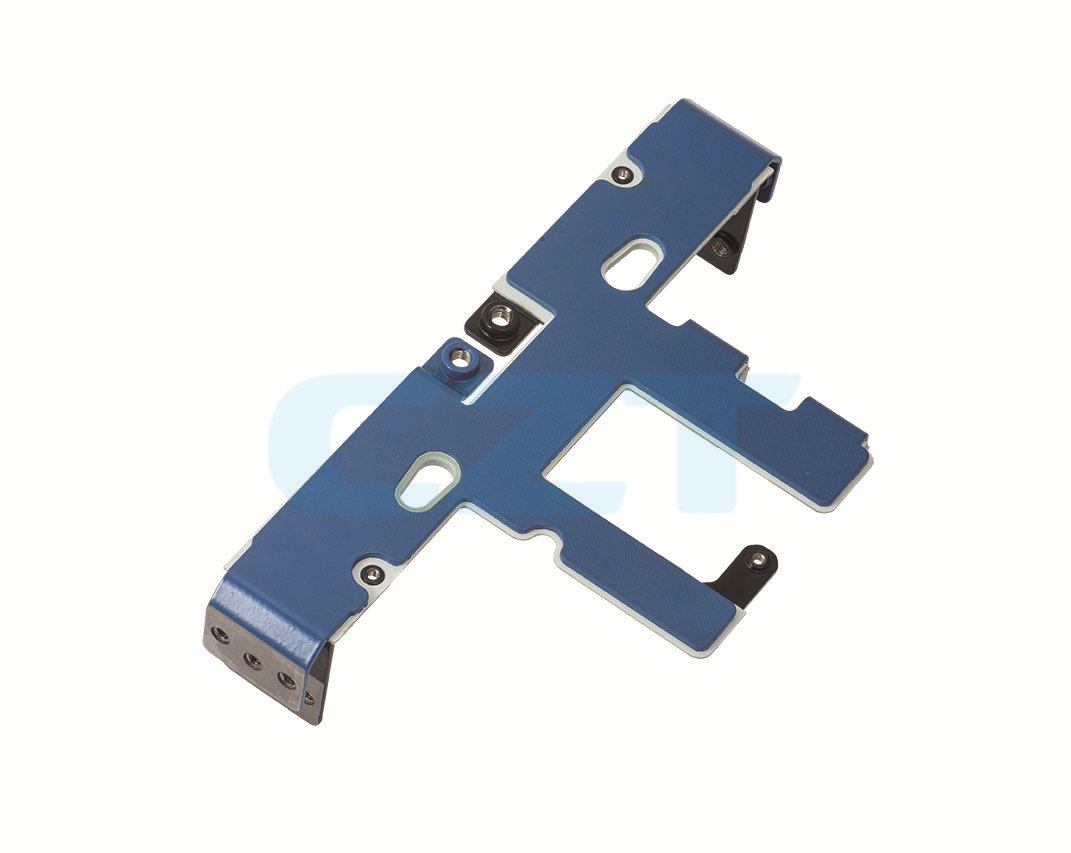
Figure 2. CZT laminated data-center busbar contains several openings and connection regions; assess each feature in its installed hardware and insulation boundary. CZT source · Original image.
Validate the extreme assembly
Build the positions most likely to challenge contact overlap, terminal loading or separation from nearby conductive parts. Compare temperature and joint behavior under the defined load. Include the relevant vibration or movement case where the application requires it.
CZT's busbar and energy-storage family can support an inquiry about a proposed slotted construction. No catalog label establishes that a particular slot pattern preserves current capacity, mechanical strength or insulation performance.
Show the allowed slot position on the assembly instruction. A carefully reviewed extreme-position design is difficult to reproduce if production personnel are left to choose an arbitrary bolt location during tightening.
A useful hypothetical failure is a part that assembles easily with its terminal at one end of the slot but leaves the washer partly unsupported. The answer is not automatically a larger slot. It may require a revised datum, hardware or busbar shape. Resolve the actual interface problem before freezing the drawing and use the finished extreme-position assembly for verification.
Connect this review to CZT product information
Start with the relevant CZT product family and provide the original interface reference or controlled drawing. Ask which configurations and supporting documents are available for the task described here. Confirm the mating arrangement, required features and project conditions before choosing an orderable part.
Browse the relevant product family · View catalog resources
Discuss a drawing, sample or quotation
Share the part or family reference, current drawing revision, operating conditions and quantities. Include the specific checks described in this article so the inquiry identifies both the component and the evidence needed for your decision. Confirm sample availability and the proposed scope with the supplier.
Request a technical review or quotation
For broader context, read the related selection guide.