Harness requalification after a component change should be based on the affected functions and interfaces. Repeating every historical test can be unnecessary, while repeating only continuity can miss important consequences. A change matrix makes the engineering reasoning visible and identifies the evidence that must be refreshed.
For assemblies related to the wire-harness family, begin with the approved BOM, drawings, manufacturing instructions and original qualification boundary. A product-family record cannot establish whether a particular wire, terminal or process change is acceptable.

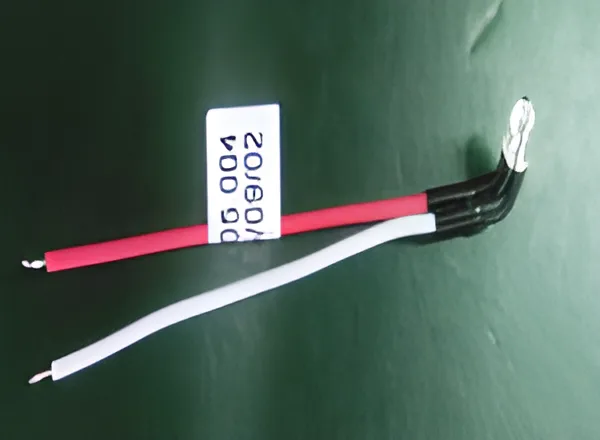
Figure 1. CZT document-management example. A requalification matrix needs controlled BOM and drawing revisions plus the documented component differences. CZT source · Original image.
Describe the difference precisely
Record the old and proposed references and revisions. Separate changes to conductor, insulation, terminal, housing, seal, protective treatment and manufacturing process. A supplier's general statement that a material is equivalent is not a complete difference description.
Include changes introduced indirectly. A new terminal might require another applicator, and a new wire insulation diameter might affect a seal or protective sleeve. The matrix should show those linked consequences rather than treating each purchased line in isolation.
State why the change is proposed and which product variants it affects. This identifies both the technical review and the inventory that requires control.
Connect differences to validation items
For each change, list the potentially affected characteristics and the evidence needed to resolve them. Use existing evidence only when its configuration and boundary remain applicable.
| Change category | Areas to review, as applicable |
|---|---|
| Wire or insulation | Termination, sealing, routing and electrical behavior |
| Terminal | Housing retention, tooling and contact performance |
| Housing or seal | Mating, locking, installation and environmental protection |
| Protective treatment | Fit, exposure and installed routing |
| Process or tooling | First-off controls and production consistency |
These are review prompts, not automatic instructions to run every listed test. The responsible engineer should document the selection and acceptance criteria.
Use production-intent evidence
Build samples with the proposed materials and intended manufacturing route. If prototype tooling differs from production tooling, identify that limitation. Do not use a hand-built success to close a production-process question that remains untested.
For a hypothetical harness wire change, unchanged conductor size may coexist with a different insulation diameter. Continuity may remain acceptable while the seal interface needs review. The matrix helps prevent the electrical similarity from hiding the mechanical difference.
Link each result to sample identity, document version and the applicable requirement. Keep failures and open questions visible until resolved or explicitly accepted by the authorized design owner.

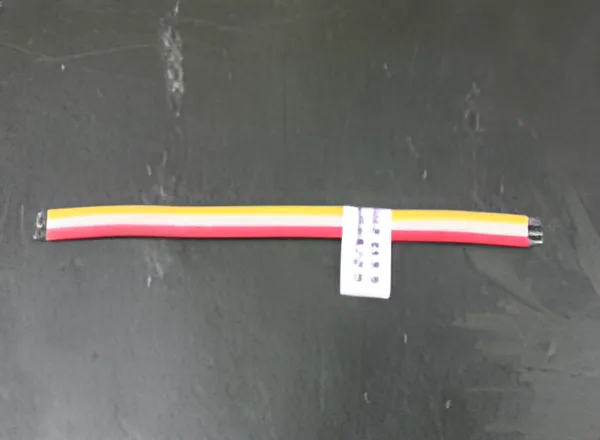
Figure 2. CZT qualification-area diagram. Requalification should select the affected electrical, mechanical and environmental evidence rather than repeating an undefined checklist. CZT source · Original image.
Control implementation and inventory
Define the approval point, first affected batch and treatment of old material or assemblies. Identify whether the changed and unchanged versions can be mixed or must remain separately marked.
Update the BOM, drawings, inspection documents and test programs together. The completed matrix should explain what changed, why the selected evidence is sufficient and which conditions remain outside approval. That record supports a controlled production change without pretending that a supplier's similar part description is itself qualification evidence.
Connect this review to CZT product information
Catalog references to discuss are listed below. Use the identifiers to request the current drawing and confirm the configuration required by your application.
| Catalog reference | Product information | Drawing record | Reference inquiry |
|---|---|---|---|
| LED CABLE | LED cable catalog record | Listed PDF | Ask about this reference |
| 3C CABLE | 3C electronic cable catalog record | Listed PDF | Ask about this reference |
A catalog drawing reference is a starting document, not a substitute for reviewing its revision, options and suitability for the complete assembly.
Browse the relevant product family · View catalog resources
Discuss a drawing, sample or quotation
Share the part or family reference, current drawing revision, operating conditions and quantities. Include the specific checks described in this article so the inquiry identifies both the component and the evidence needed for your decision. Confirm sample availability and the proposed scope with the supplier.
Request a technical review or quotation
For broader context, read the related selection guide.