First-off crimp approval after an applicator changeover should verify the actual terminal, wire, tooling and machine setup before production resumes. A previously accepted recipe is useful history, but the changeover can introduce alignment, feeding or setup differences that need checking on freshly produced specimens.
For assemblies associated with the wire-harness family, obtain the applicable terminal and tooling instructions. Molex's application specification example emphasizes evaluation of the actual wire, tooling and equipment. Its specific dimensions or sample rules should not be transferred to unrelated terminal systems.

Figure 1. CZT harness-production equipment. Changeover approval applies to the actual terminal, wire and production equipment used. CZT source · Original image.
Identify what changed
Record the removed and installed applicators, terminal reel, wire reference and machine recipe. Include the die or tooling revision where the system tracks it separately. The first-off record should distinguish an ordinary planned changeover from a restart after a jam, repair or adjustment.
Check the approved process window and inspection requirements before making samples. Do not use the previous job's crimp settings merely because the terminal strip looks similar.
Keep trial pieces segregated. A setup specimen that has not passed the required checks should not be returned to production stock after the line is released.
Produce and inspect representative first-off pieces
Take specimens using the documented sampling procedure after the machine and feed are ready. Inspect wire preparation, conductor position, insulation support and the terminal features identified by the application specification.
| Record item | Purpose |
|---|---|
| Combination ID | Links wire, terminal, applicator and recipe |
| Measurement results | Demonstrates the specified setup characteristics |
| Visual findings | Records preparation and geometry concerns |
| Required destructive checks | Confirms the approved validation items |
| Release decision | Identifies authorization and any restrictions |
Use the specified measurement method and calibrated equipment. A number taken at the wrong part of the crimp is not made valid by falling inside the target range.
Apply a defined hold and release rule
If a required characteristic fails, hold the affected material and record the adjustment. Produce new specimens and repeat the applicable checks after the change. Do not average an unacceptable setup piece with later pieces to justify release.
For a hypothetical terminal changeover, the correct recipe might be loaded while the installed wire variant has different insulation. The combination record helps reveal that mismatch before production rather than treating it as random measurement variation.
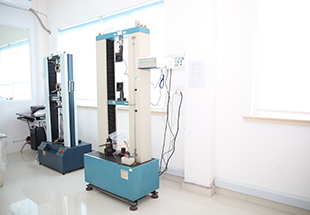
Figure 2. CZT tensile-test equipment. The published tensile equipment illustrates a mechanical-check category; required first-off tests still come from the actual terminal specification. CZT source · Original image.
Preserve the return-to-production evidence
Associate the approved first-off results with the production batch and the point at which saleable production begins. Record who authorized release and how subsequent process checks are performed under the established plan.
A first-off approval does not eliminate the need for the line's ongoing checks or response to later jams and adjustments. Its role is narrower and practical: it establishes that the specific changeover was checked against the correct requirements before the resulting assemblies entered the production flow.
Connect this review to CZT product information
Start with the relevant CZT product family and provide the original interface reference or controlled drawing. Ask which configurations and supporting documents are available for the task described here. Confirm the mating arrangement, required features and project conditions before choosing an orderable part.
Browse the relevant product family · View catalog resources
Discuss a drawing, sample or quotation
Share the part or family reference, current drawing revision, operating conditions and quantities. Include the specific checks described in this article so the inquiry identifies both the component and the evidence needed for your decision. Confirm sample availability and the proposed scope with the supplier.
Request a technical review or quotation
For broader context, read the related selection guide.