A prototype harness approval should not automatically release production tooling. Hand methods, temporary fixtures and carefully selected materials can produce a successful engineering sample while leaving the intended manufacturing route unverified. The transfer review should expose those differences and qualify the production-intent configuration.
The wire-harness family provides assembly catalog references, but transfer requirements belong to the actual project. Use the approved drawing, BOM and sample findings as the starting point, then compare how production will make and test the same assembly.

Figure 1. CZT harness-production equipment. The intended production route must be distinguished from the prototype route before volume release. CZT source · Original image.
Document prototype and production routes
List each manufacturing step and identify the method used for the approved prototype. Beside it, record the planned production equipment, tooling, fixtures and inspection controls.
Include outside processing and supplied subassemblies. A component prepared manually during prototyping may later arrive preprocessed from another source. That change needs review even if the final harness drawing does not change.
Separate a drawing correction from a process difference. Both can matter, but they require different evidence and responsibilities.
Identify the transfer risks
Use the comparison to select the checks needed before production release. Focus on features that the new process could change, including termination geometry, branch dimensions, shielding details, labeling and test coverage.
| Process element | Transfer evidence to consider |
|---|---|
| Wire preparation | Controlled settings and inspected specimens |
| Termination | Correct tooling combination and first-off evidence |
| Harness layout | Production fixture and dimensional results |
| Electrical testing | Verified program and production fixture |
| Labeling and packing | Correct variant data and handling result |
Do not fill a missing production result with a photograph of the prototype. The record should show which process actually produced each specimen.
Run a production-intent trial
Use the intended materials, equipment and work instructions. Record departures from that plan, including manual adjustments made to complete the build. An adjustment may be justified, but it needs to be resolved or incorporated into the controlled route before release.
For a hypothetical multibranch harness, a prototype technician may place branch points by fitting the sample directly to the machine. The production fixture must reproduce the approved geometry without relying on that technician's memory. Trial measurements and an installation check can demonstrate whether it does so.
Inspect and test the resulting assemblies against the product requirements. Keep process findings and product findings linked so a failure can be traced to the relevant transfer difference.
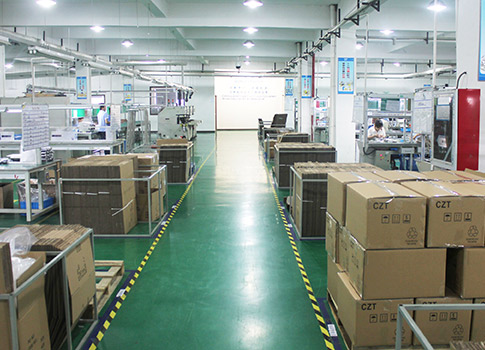
Figure 2. CZT harness-production area. A separate production-area view supports transfer planning; neither photograph demonstrates current capacity or approval of a pilot lot. CZT source · Original image.
Freeze the release package
Approve the production BOM, drawings, tooling and fixture references, work instructions and test program together. Define the approved sample's role and identity rather than treating any visually similar retained piece as a permanent specification.
Document unresolved issues and the authority needed to accept them. Identify the first production batch covered by release. This creates a clear boundary between a successful prototype and a validated production route, giving purchasing a meaningful basis for authorizing volume orders rather than relying on the outcome of one specially prepared sample.
Connect this review to CZT product information
Start with the relevant CZT product family and provide the original interface reference or controlled drawing. Ask which configurations and supporting documents are available for the task described here. Confirm the mating arrangement, required features and project conditions before choosing an orderable part.
Browse the relevant product family · View catalog resources
Discuss a drawing, sample or quotation
Share the part or family reference, current drawing revision, operating conditions and quantities. Include the specific checks described in this article so the inquiry identifies both the component and the evidence needed for your decision. Confirm sample availability and the proposed scope with the supplier.
Request a technical review or quotation
For broader context, read the related selection guide.