Package a custom busbar around its vulnerable functional surfaces and its unsupported geometry. Contact faces, insulation edges and formed legs may need different protection. A generic bag-and-carton requirement can leave the part clean while allowing damage that affects assembly or electrical inspection.

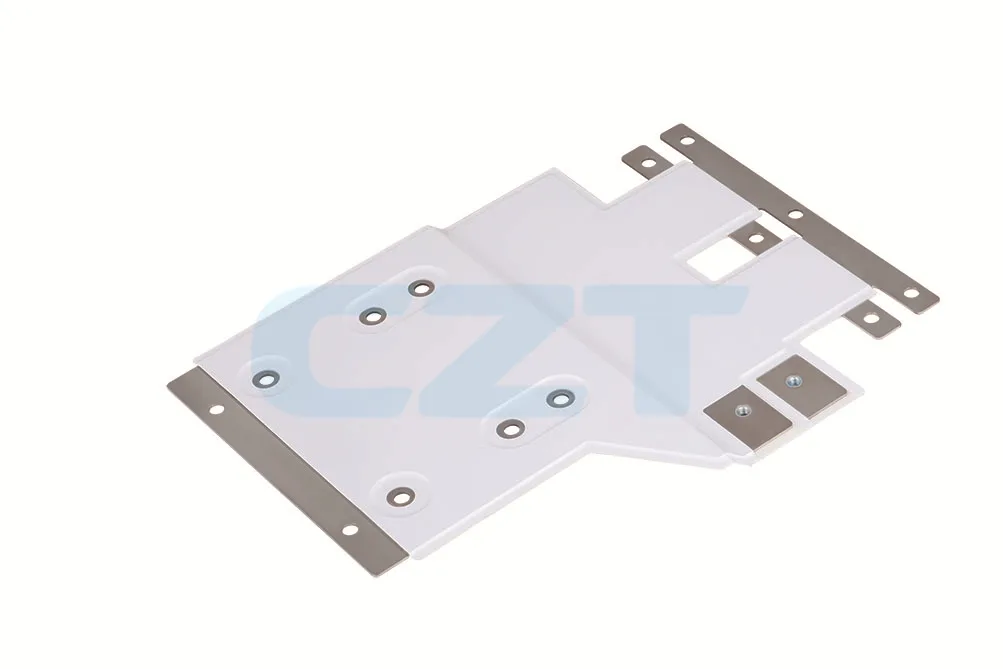
Figure 1. CZT elongated rigid busbar illustrates why formed ends and unsupported spans need deliberate restraint during shipment and unpacking. CZT source · Original image.
Identify what must be protected
Mark contact zones, insulation boundaries and dimensional features that cannot tolerate shipping marks or deformation. Distinguish cosmetic surfaces from functional ones and define the relevant acceptance examples. Without that distinction, receiving staff and the supplier may disagree over a visible mark even when both inspected carefully.
Review the finished part's stability during handling. Long legs, offsets and projecting terminals can act as levers when parts are stacked or pulled from a container. Packaging should support the intended geometry rather than relying on the busbar to carry the weight of other parts.
Design separation and support
Choose separators and restraint positions that avoid rubbing critical contact or insulation areas. Consider how a part is inserted, removed and counted, not just how it sits after packing. A protective insert that must be dragged across a contact face can create damage during unpacking.
CZT's busbar power-distribution family contains relevant custom-construction references. A catalog entry does not establish a validated packaging method for a particular shape. Supply the actual part drawing and shipping assumptions for review.
A packaging acceptance checklist
| Feature | Question to verify |
|---|---|
| Contact-zone separation | Can adjacent parts or separators rub the functional area? |
| Formed-leg support | Is bending load avoided during storage and handling? |
| Insulation protection | Are edges protected from cuts and pressure marks? |
| Identification | Can each package retain part, revision and lot identity? |
| Unpacking | Can the part be removed without forcing its geometry? |
Use realistic pack quantities and handling steps in the review. A single carefully packed sample does not represent a full production carton.

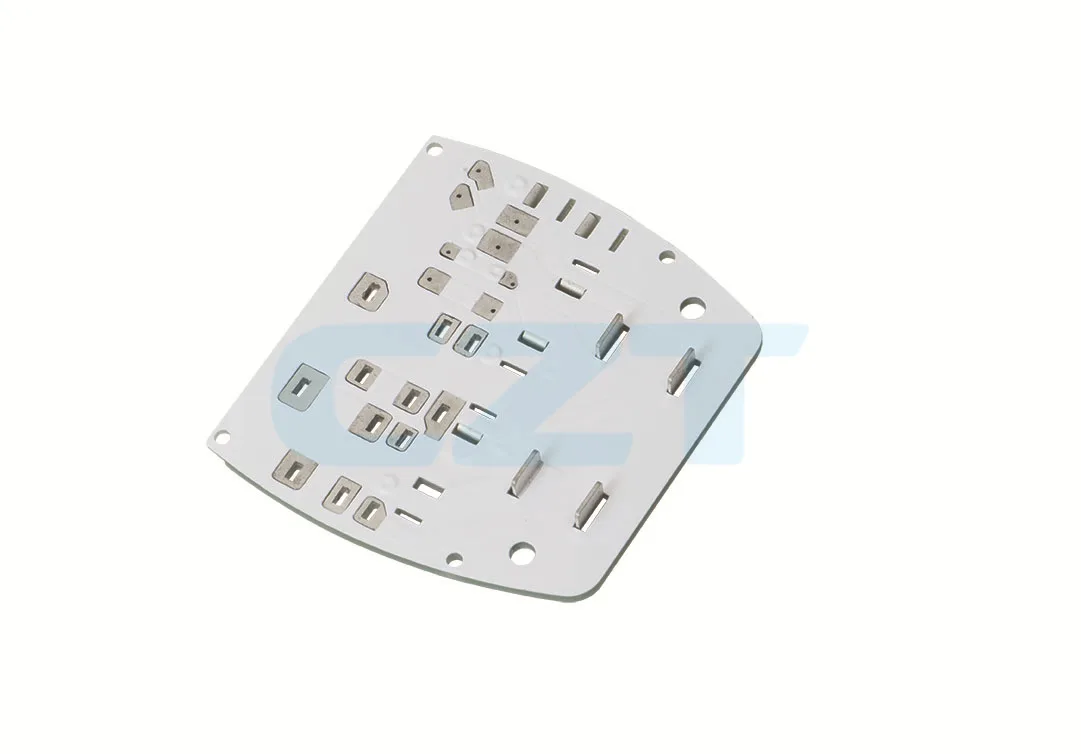
Figure 2. CZT laminated busbar with distributed terminals illustrates surfaces and projecting regions that packaging should protect without rubbing or bending. CZT source · Original image.
Verify the shipment and receiving boundary
Agree the relevant transport or trial-shipment assessment and the inspection after unpacking. Record the package configuration, part orientation, quantity and any handling deviations. Compare critical dimensions and surfaces with the pre-shipment condition using the same methods.
Consider a hypothetical return in which the external carton is undamaged but one unsupported busbar leg has shifted during transport. An outside-carton visual check would not detect that problem. The corrective action should address internal restraint and the dimensional check, not merely specify a stronger outer box.
Link any transport-damage claim to the pack configuration actually used. A packaging instruction updated after the shipment cannot explain how the returned part was restrained. Retain shipment photographs or equivalent records where the quality agreement requires them.
Release the packaging instruction with photographs or a controlled layout and include it in the purchase requirements. Revisit it after changes to geometry, finish, quantity per container or transport method. This makes packaging an accountable part of delivery quality rather than a disposable detail discovered only after parts fail receiving inspection.
Connect this review to CZT product information
Catalog references to discuss are listed below. Use the identifiers to request the current drawing and confirm the configuration required by your application.
| Catalog reference | Product information | Drawing record | Reference inquiry |
|---|---|---|---|
| Energy-storage laminated busbar catalog record | Energy-storage laminated busbar catalog record | Request the current drawing | Ask about this reference |
| Server laminated busbar catalog record | Server laminated busbar catalog record | Request the current drawing | Ask about this reference |
These entries identify catalog families. Their listing does not establish a numerical rating, finished-part tolerance or test approval; obtain that evidence for the requested revision.
Browse the relevant product family · View catalog resources
Discuss a drawing, sample or quotation
Share the part or family reference, current drawing revision, operating conditions and quantities. Include the specific checks described in this article so the inquiry identifies both the component and the evidence needed for your decision. Confirm sample availability and the proposed scope with the supplier.
Request a technical review or quotation
For broader context, read the related selection guide.