Specify a tin-plated busbar by identifying where the coating is required, what coating system is intended and how it will be inspected. The phrase tin plated on a purchase order leaves contact surfaces, thickness measurement locations and masked areas open to interpretation. A marked drawing is the most practical way to close those gaps.
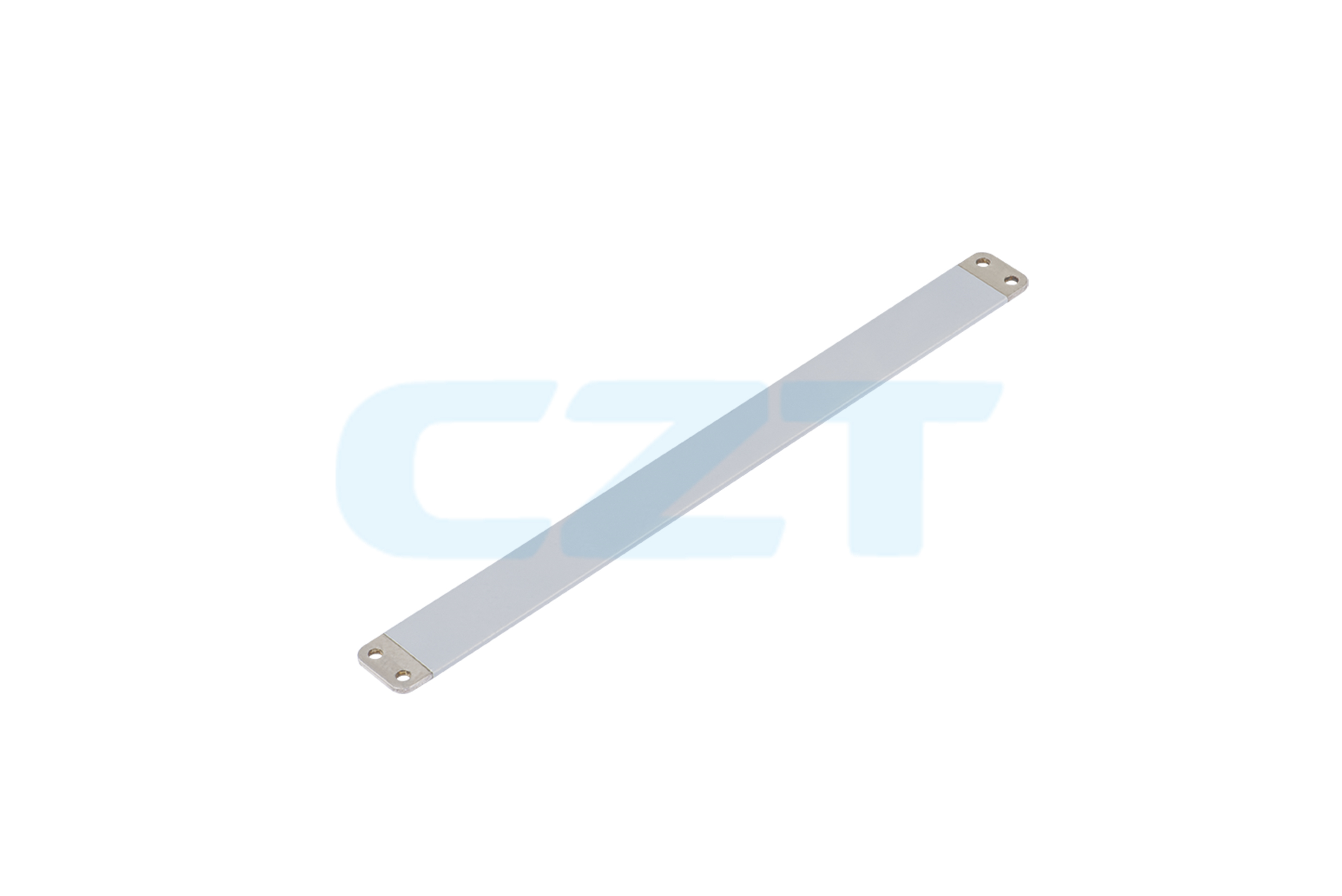
Figure 1. CZT rigid busbar surface and end regions provide a practical example for marking functional contact areas on a procurement drawing. CZT source · Original image.
Divide the drawing into functional zones
Mark electrical contact faces separately from insulated regions and noncritical external surfaces. Identify holes, bends and edges that must receive coating and any areas that must remain uncoated. If an insulation layer is added later, show how its boundary relates to the plated contact zone.
Ask whether coating is applied before or after forming. That process order changes which surfaces and features need inspection. Do not infer the answer from a finished-part photograph or from the appearance of one accessible flat face.
Define the coating system precisely
State the substrate, any required intermediate layer, coating specification and controlled thickness requirement. Define the acceptance method and its locations with the supplier. A thickness result at an easy-to-reach face does not establish the condition everywhere on a complex formed part.
Also agree the treatment of discoloration, handling marks and exposed edges. Use annotated examples where a text description could lead to inconsistent acceptance. Cosmetic appearance and functional contact condition should not be combined into one undefined requirement.
A coating review checklist
| Drawing item | Inspection question |
|---|---|
| Contact faces | Are both mating contact zones identified? |
| Hole interiors | Is coverage required and can it be measured? |
| Formed regions | Does the process sequence affect the coating condition? |
| Mask boundary | How is its position and edge quality controlled? |
| Test specimens | Which actual part or witness sample supports each result? |
If a witness coupon is used, document what it represents and what remains to be inspected on the production part. It cannot automatically substitute for every inaccessible feature.

Figure 2. CZT coated copper busbar examples illustrate the distinction between insulated surfaces and exposed connection regions; this photo does not verify a tin-plating system. CZT source · Original image.
Evaluate contact performance separately
A compliant coating measurement is useful manufacturing evidence. It does not, by itself, establish the resistance or temperature behavior of the bolted joint. Validate the full contact assembly under the intended mechanical and environmental conditions.
CZT's busbar power-distribution products and connector electroplating services provide relevant family references for a combined inquiry. Those catalog categories do not prove an available coating thickness, process sequence or approved finish. Request confirmation against the marked drawing.
Define how reprocessed parts are identified and approved. Additional stripping or replating is a process change that should be assessed against dimensional and surface requirements, rather than hidden behind an unchanged final appearance.
A useful failure-prevention step is to review the contact area after the intended handling, packaging and assembly sequence. If a clamp, fixture or transport separator touches that area, its marks may affect acceptance. Agree the criterion before production so that an avoidable packaging mark does not become a late argument over whether the entire plating batch meets an undefined specification.
Connect this review to CZT product information
Start with the relevant CZT product family and provide the original interface reference or controlled drawing. Ask which configurations and supporting documents are available for the task described here. Confirm the mating arrangement, required features and project conditions before choosing an orderable part.
Browse the relevant product family · View catalog resources
Discuss a drawing, sample or quotation
Share the part or family reference, current drawing revision, operating conditions and quantities. Include the specific checks described in this article so the inquiry identifies both the component and the evidence needed for your decision. Confirm sample availability and the proposed scope with the supplier.
Request a technical review or quotation
For broader context, read the related selection guide.