Tin-plated terminals that have been stored should be evaluated using their actual storage and handling history. A date code alone does not establish solderability, and an acceptable appearance cannot replace a soldering evaluation performed under a defined method.
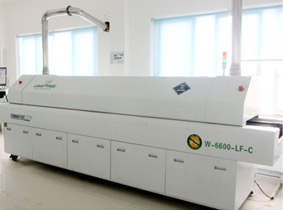
Figure 1. CZT plating-section IR furnace. The official plating page includes this thermal-processing equipment; it is not a solderability acceptance result. CZT source · Original image.
Reconstruct the stored condition
Identify the terminal finish, packaging, opening dates, storage environment and any repacking or handling. Separate unopened material from partially used lots. If the packaging history is unknown, state that uncertainty rather than assigning the material an assumed original condition.
Review the supplier's applicable storage guidance and the assembly process requirements. There is no single shelf-life number in this article for every tin finish, package or environment. A project should define how elapsed time and storage changes trigger review.
Use a storage-review record
| Item | Information to capture |
|---|---|
| Identity | Part, finish revision, lot and quantity |
| Packaging | Original or repacked state and opening history |
| Environment | Recorded conditions and known excursions |
| Handling | Contact with tools, gloves, cleaners or other materials |
| Evaluation | Sample selection and agreed solderability method |
| Disposition | Released, restricted, investigated or rejected scope |
A test sample needs to represent the stock being released. Testing a fresh replacement terminal does not resolve the condition of an older opened reel, and combining unrelated lots can obscure the source of a poor result.
Distinguish solderability from a solder-joint problem
A production wetting issue can involve the terminal surface, board finish, flux, paste, heat delivery or process setup. Compare the stored-terminal evaluation with the actual assembly conditions before concluding that storage alone caused the defect.
If a cleaning or reconditioning operation is proposed, determine whether it is permitted and how its effects will be evaluated. An improvised treatment can alter the evidence and introduce a different process condition from the approved material.
Use the CZT terminal plating route to identify the relevant USB, SFP or other catalog reference and request its actual finish and packaging guidance. The presence of a plated-terminal listing does not confirm the solderability of a stored batch.

Figure 2. CZT USB terminal strip. A real terminal-strip image supplies material-handling context; no tin finish or storage limit is inferred from the picture. CZT source · Original image.
Control the release and future storage
Record the evaluation outcome against the lot and the amount of material covered. Keep rejected or unreviewed stock separate so it cannot be mixed with released material. If only a limited use or additional inspection is approved, make that restriction visible to the assembly team.
Update storage and partial-pack handling instructions using the findings. The useful result is a controlled decision about identified material, with a reproducible method for future checks, rather than a general statement that all terminals of a certain age remain acceptable.
Keep the evaluation samples and photographs identified so a later soldering issue can be compared with the released stock condition. An undocumented trial on a loose sample cannot establish which reel or delivery was actually covered by the decision.
Connect this review to CZT product information
Start with the relevant CZT product family and provide the original interface reference or controlled drawing. Ask which configurations and supporting documents are available for the task described here. Confirm the mating arrangement, required features and project conditions before choosing an orderable part.
Browse the relevant product family · View catalog resources
Discuss a drawing, sample or quotation
Share the part or family reference, current drawing revision, operating conditions and quantities. Include the specific checks described in this article so the inquiry identifies both the component and the evidence needed for your decision. Confirm sample availability and the proposed scope with the supplier.