A connector can look acceptable after a salt-mist exposure while still requiring an electrical check. Visual inspection and contact resistance answer different questions. The evaluation plan should describe both the surface condition and the function expected from the identified contact system after the agreed exposure.
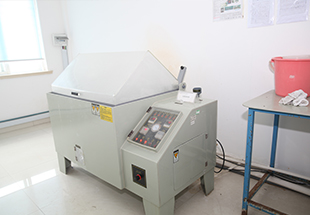
Figure 1. CZT salt-spray chamber. Corrosion-exposure equipment is shown as method context; no connector's corrosion performance is established. CZT source · Original image.
Define what is being exposed
State whether the connector is mated, unmated or protected by a cap, and identify the mating part. Include finish, housing, orientation and any relevant wire or panel arrangement. A result from an exposed terminal strip does not automatically describe a sealed assembled connector, and a mated test does not establish performance in an unmated state.
Select the exposure method and duration from the applicable product requirements. This article does not assign a universal salt-mist rating to CZT parts or treat the number of exposure hours as a direct prediction of field life.
Plan the observations separately
| Observation | What to define |
|---|---|
| Visible corrosion | Locations, viewing condition and acceptance reference |
| Contact resistance | Method, sample state and measurement points |
| Mechanical condition | Mating, retention and visible damage checks where required |
| Post-test handling | Cleaning, recovery period and permitted preparation |
| Traceability | Sample identity, finish revision and exposure record |
If a sample is cleaned or remated before measurement, record it. Handling can alter the interface condition and make the result different from an untouched post-exposure assessment. Use the agreed procedure rather than a convenient sequence improvised at the end of the test.
Interpret an apparent disagreement
A visual pass and an electrical failure are not necessarily contradictory. The visible region may differ from the actual current-carrying interface, and the measurement includes conditions beyond appearance. Conversely, a visible surface change does not establish the size of the electrical effect without a defined measurement.
Compare pre- and post-exposure data, preserving the same identification and method. If a failure occurs, localize it before assigning the cause to a particular layer or supplier operation.
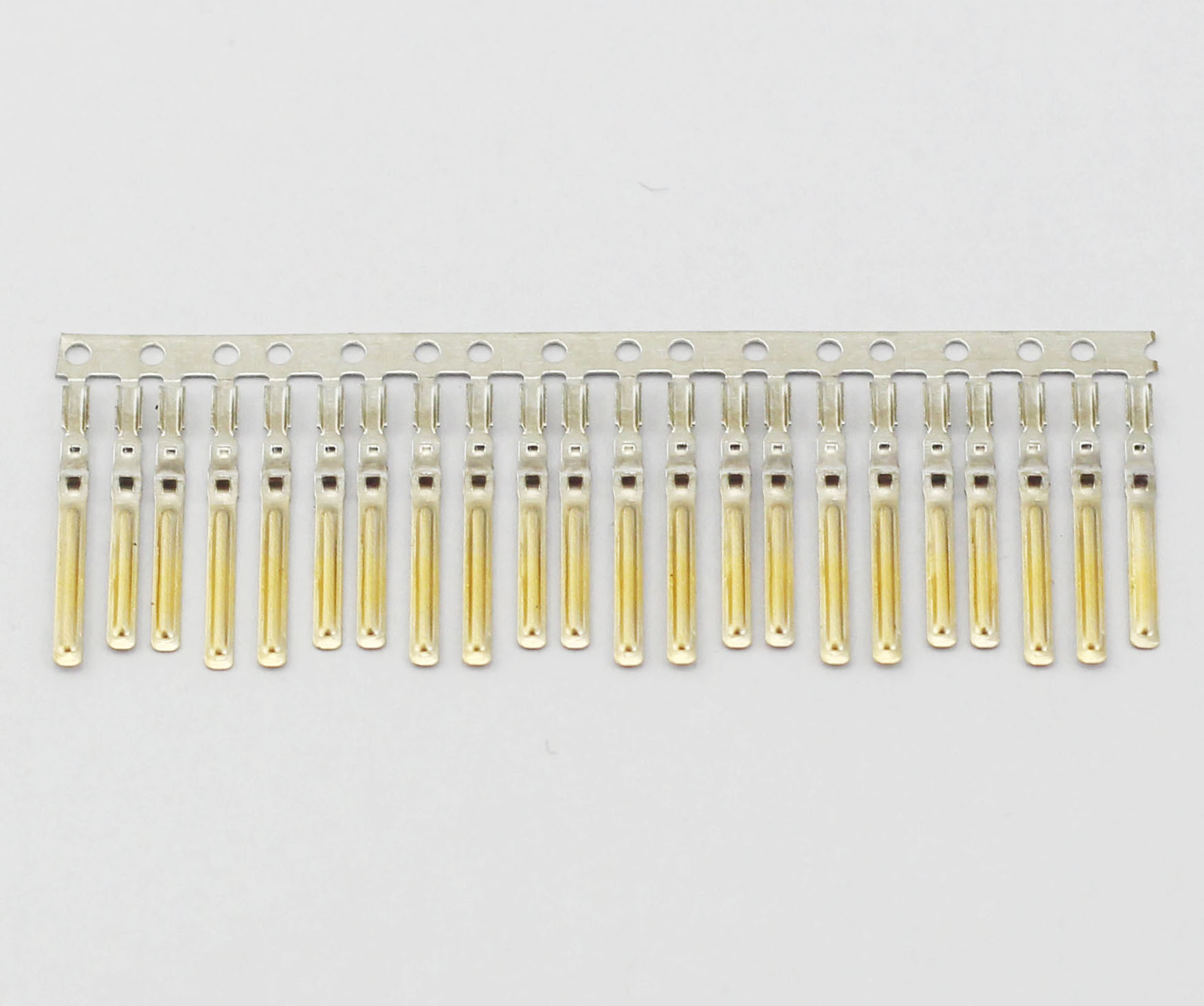
Figure 2. CZT USB terminal strip. A real terminal-strip example identifies the kind of contact whose post-exposure electrical behavior needs actual measurement. CZT source · Original image.
Tie the inquiry to an actual finish system
Use the CZT terminal electroplating page to discuss the relevant catalog reference. Send the complete layer stack, mating finish and exposure state. A selective-plating label is not a passed corrosion-test report.
Request a report that separates observations, measurements and interpretation. If the treatment changes after a failure investigation, identify which checks must be repeated on the revised system. The useful outcome is an evidence-backed acceptance decision for a defined configuration, rather than a general statement that the finish survived salt mist.
If different sample groups are used for visual and electrical checks, record that split in the report. Results from separate specimens should not be presented as though every measurement came from one unchanged contact interface.
Connect this review to CZT product information
Start with the relevant CZT product family and provide the original interface reference or controlled drawing. Ask which configurations and supporting documents are available for the task described here. Confirm the mating arrangement, required features and project conditions before choosing an orderable part.
Browse the relevant product family · View catalog resources
Discuss a drawing, sample or quotation
Share the part or family reference, current drawing revision, operating conditions and quantities. Include the specific checks described in this article so the inquiry identifies both the component and the evidence needed for your decision. Confirm sample availability and the proposed scope with the supplier.