Gold, tin and silver finishes should be compared against the contact's actual duty cycle rather than a general ranking of better and worse materials. Electrical level, mating movement, environment, contact mechanics and the finish on the mating half all influence the appropriate surface system.
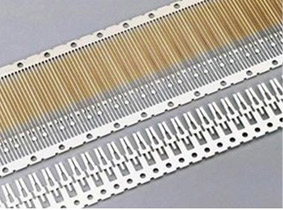
Figure 1. CZT flat terminal strips. Official terminal-strip imagery illustrates functional zones; the photograph does not identify a gold, tin or silver specification by color. CZT source · Original image.
Describe the contact duty
Separate a low-level signal interface from a power connection and a soldered termination. Identify how often the interface mates, whether vibration creates small relative movements, and whether the equipment operates in a contaminated environment. These conditions explain why a finish that works in one connector may be unsuitable in another geometry.
The base material and any intermediate layer remain part of the design. Comparing the outer metal alone omits the stack that supports it, its adhesion and its behavior after wear or environmental exposure.
Compare questions rather than universal winners
| Finish option | Questions to resolve in the actual contact system |
|---|---|
| Gold-based finish | What coverage, wear requirement and mating combination are specified? |
| Tin-based finish | How are contact mechanics, movement and surface-film effects addressed? |
| Silver-based finish | Which environment, electrical duty and surface conditions apply? |
| Any alternative | What changes in the complete stack and qualification plan? |
These prompts are not a claim that a particular finish guarantees a current, mating life or corrosion result. Use applicable material and connector data for the chosen design rather than transferring performance from another product.
Evaluate the pair and its movement
Record both mating finishes and the contact geometry. An unreviewed mixed-finish pair should not be treated as equivalent to a previously approved combination. If a supplier proposes a cost reduction, compare the whole interface and determine which functional measurements need repeating.
An evaluation may include contact resistance before and after relevant mating or environmental exposure. Define the measurement method and sample condition so differences can be interpreted. A shiny contact is not a substitute for electrical evidence, and a single initial reading does not show how the interface behaves over its intended service.
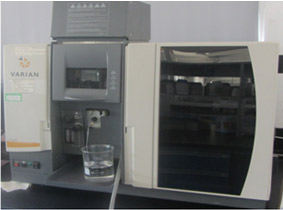
Figure 2. CZT AA/UV analysis equipment. Materials-analysis equipment supplies process-evidence context rather than a finish recommendation or comparative test result. CZT source · Original image.
Use a controlled supplier inquiry
The CZT electroplating service family provides a route to discuss SFP, USB and other terminal references. Ask which finish stacks and evidence are available for the actual terminal rather than assuming every catalog item supports every treatment.
Send the mating-part finish, environment, duty cycle, drawing zones and acceptance plan with the inquiry. Request any proposed exceptions in writing and compare them against the same baseline. The decision should leave a traceable finish designation and a reason for selection, making a later supplier or material change an engineering review rather than a cosmetic substitution at purchasing time.
Connect this review to CZT product information
Start with the relevant CZT product family and provide the original interface reference or controlled drawing. Ask which configurations and supporting documents are available for the task described here. Confirm the mating arrangement, required features and project conditions before choosing an orderable part.
Browse the relevant product family · View catalog resources
Discuss a drawing, sample or quotation
Share the part or family reference, current drawing revision, operating conditions and quantities. Include the specific checks described in this article so the inquiry identifies both the component and the evidence needed for your decision. Confirm sample availability and the proposed scope with the supplier.
Request a technical review or quotation