A contact-finish wear evaluation should link mating exposure to the measurements that matter for the connector. Counting insertion cycles alone does not explain where the surface wore, whether the interface still functions, or which part of the mating system caused a change.

Figure 1. CZT mating-force test equipment. Mating-force equipment relates to the planned durability sequence, without establishing a cycle count or passed result. CZT source · Original image.
Define the complete mating system
Identify both connector halves, finish revisions, lubrication where applicable, and the condition of the counterface. State the motion, engagement depth and latch behavior. A laboratory mating fixture can produce a different wear pattern from the product if alignment or travel is not representative.
Decide whether the evaluation is meant to compare finish options, qualify a complete contact system, or investigate a field problem. Keep other variables controlled when comparing finishes; otherwise a geometry or force change can be mistaken for a plating effect.
Plan measurements at meaningful stages
| Stage | Evidence to collect |
|---|---|
| Initial state | Identified surfaces, baseline electrical condition and mating arrangement |
| Defined exposure intervals | Electrical readings and mechanical observations using the agreed method |
| Final state | Contact-zone images and functional results |
| Investigation | Local wear location, debris and relevant layer or geometry evidence |
| Decision | Comparison with project-specific acceptance requirements |
Choose exposure and acceptance conditions from the application and applicable product specification. This article does not assign a mating-life rating to a catalog terminal or predict service life from a generic cycling sequence.
Preserve the evidence while testing
Cleaning, remating or disassembly can change the surface being studied. Plan which samples can be disturbed and which must remain available for examination. Record any replacement of the mating half or adjustment to the fixture.
If contact resistance changes, check the measurement connections and sample condition before attributing the result to wear. Compare the timing of the electrical change with physical observations. A layer-thickness measurement and a wear image describe different aspects of the surface, so use them together where relevant rather than expecting one to replace the other.
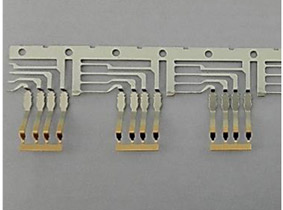
Figure 2. CZT terminal-strip examples. The official terminal-strip image provides surface and contact-region context; no wear state is asserted. CZT source · Original image.
Apply the method to an actual terminal
The CZT connector electroplating family includes SFP and USB terminal references. Request the actual layer stack and contact drawing for the selected reference before defining a finish comparison. Catalog identity is not a durability-test result.
When evaluating an alternative finish, document which materials, coverage zones and mating conditions differ from the baseline. Report observations separately from causal conclusions. If a revised stack appears to improve the outcome, verify that result on identified samples produced to the revised definition before transferring it into purchasing requirements. This makes the decision about a reproducible contact system rather than a preference for the appearance or nominal thickness of one finish.
Connect this review to CZT product information
Start with the relevant CZT product family and provide the original interface reference or controlled drawing. Ask which configurations and supporting documents are available for the task described here. Confirm the mating arrangement, required features and project conditions before choosing an orderable part.
Browse the relevant product family · View catalog resources
Discuss a drawing, sample or quotation
Share the part or family reference, current drawing revision, operating conditions and quantities. Include the specific checks described in this article so the inquiry identifies both the component and the evidence needed for your decision. Confirm sample availability and the proposed scope with the supplier.