A busbar-joint torque specification must identify the complete fastening system and assembly condition. A torque value copied from a bolt-size chart is not enough to define contact pressure or joint performance. The procurement drawing should connect the selected hardware, surface condition and tightening process to a validated joint construction.
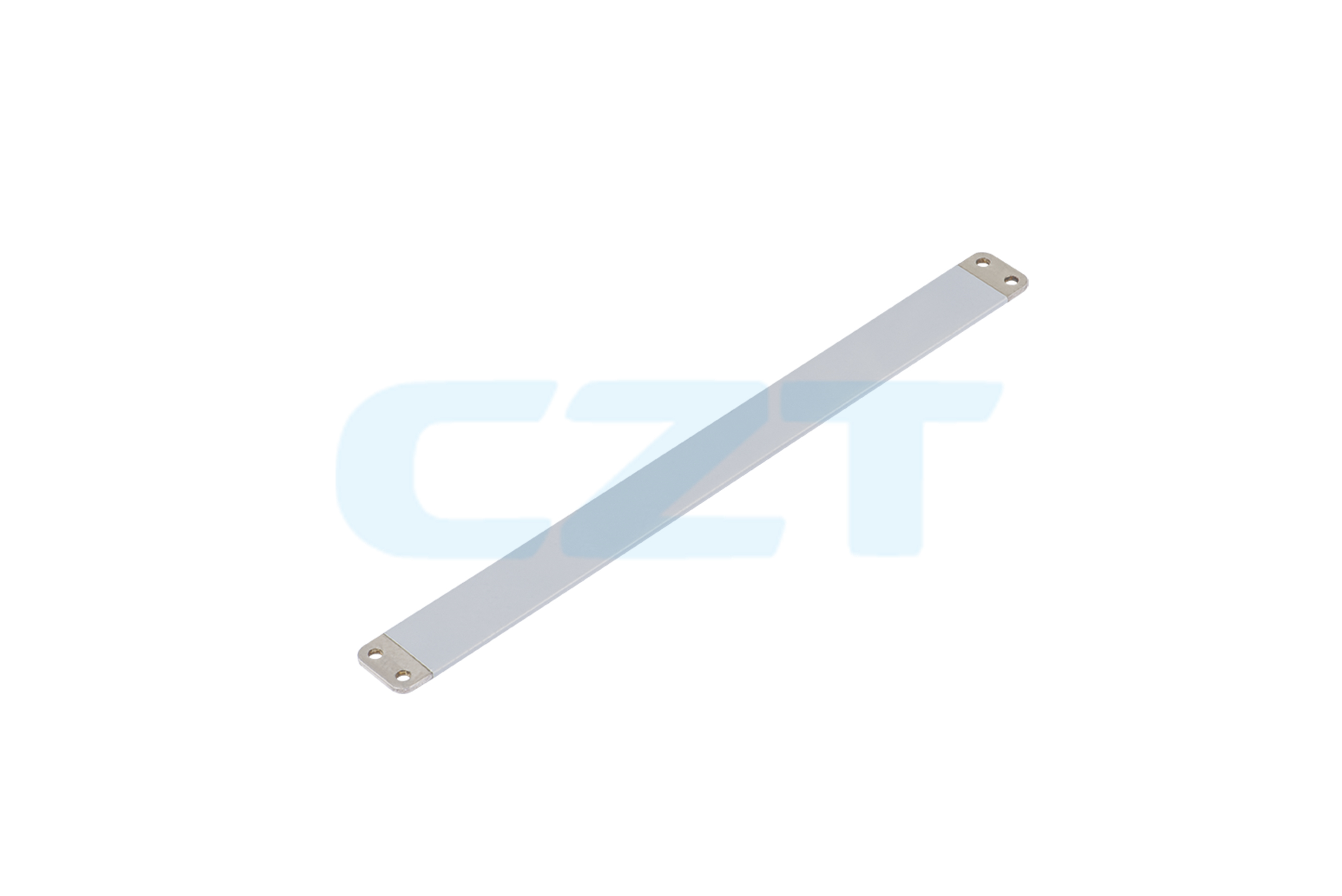
Figure 1. CZT rigid busbar with end connection regions. A torque specification needs the mating hardware and contact stack, which are not defined by this photograph. CZT source · Original image.
Specify the complete stack
List the bolt, nut, washers, conductor thicknesses and any transition or spring element. State their exact identities or controlled specifications. Show the order and orientation of the stack, including which surfaces form the electrical contact and which carry the fastening load.
The approved drawing must also define the contact finish and any permitted preparation. Do not leave the installer to decide whether to remove plating, add compound or polish the joint. Those choices can change the assembly that was evaluated.
Make the tightening condition reproducible
State the torque method, tool requirements and assembly sequence. Identify whether the threaded system is dry, lubricated or supplied with a controlled coating. Friction is part of the relationship between applied torque and the resulting clamp load, so a changed lubrication condition is an engineering input, not an incidental shop-floor preference.
The Copper Alliance's busbar design guide treats controlled joint assembly as a design concern. Use fastening and joint-specific evidence for the actual torque; the guide does not provide a universal value suitable for every custom busbar stack.
Put these fields on the procurement record
| Field | Required definition |
|---|---|
| Hardware | Exact sizes, materials, grades and locking provisions |
| Stack | Conductor, washer and transition-piece order |
| Surfaces | Finish, cleanliness and permitted preparation |
| Tightening | Method, sequence, tool and specified condition |
| Verification | Inspection and electrical or thermal evidence required |
Where the design uses multiple bolts, clarify whether the sequence involves stages and how the final condition is checked. A single final torque entry may not explain how a multi-bolt joint is assembled consistently.
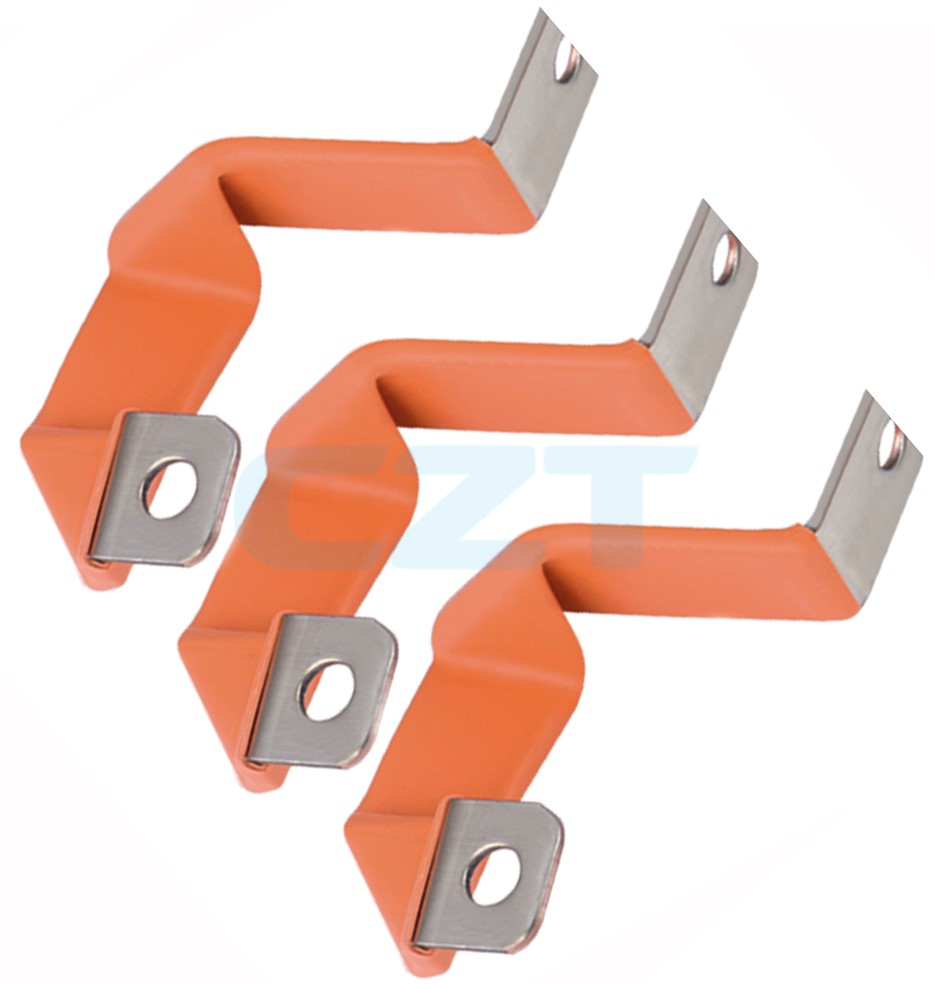
Figure 2. CZT flexible busbar examples with terminal holes. Record the complete bolt, washer and conductor stack before assigning a tightening requirement. CZT source · Original image.
Validate the joint rather than the number
Review initial resistance and temperature behavior, then the changes after any required environmental or mechanical conditioning. Decide in advance whether disassembly, retightening or reuse is permitted. An unplanned retightening can hide relaxation that the test was intended to reveal.
For example, a supplier may propose a different washer that fits the bolt and costs less. Compare its function within the stack before accepting the substitution. Retaining the old torque value does not demonstrate that clamp behavior is unchanged.
Clarify whether the torque requirement applies to the bolt head or nut, and how the opposite side is restrained. Include access limitations in the assembly review so that the production tool can achieve the specified operation without improvising its engagement angle.
Use the CZT busbar family inquiry to request a joint-specific drawing review. Keep the final torque and assembly instruction tied to that construction's revision. That gives purchasing a requirement suppliers can reproduce, and gives quality a defined condition to inspect.
Connect this review to CZT product information
Start with the relevant CZT product family and provide the original interface reference or controlled drawing. Ask which configurations and supporting documents are available for the task described here. Confirm the mating arrangement, required features and project conditions before choosing an orderable part.
Browse the relevant product family · View catalog resources
Discuss a drawing, sample or quotation
Share the part or family reference, current drawing revision, operating conditions and quantities. Include the specific checks described in this article so the inquiry identifies both the component and the evidence needed for your decision. Confirm sample availability and the proposed scope with the supplier.
Request a technical review or quotation
For broader context, read the related selection guide.