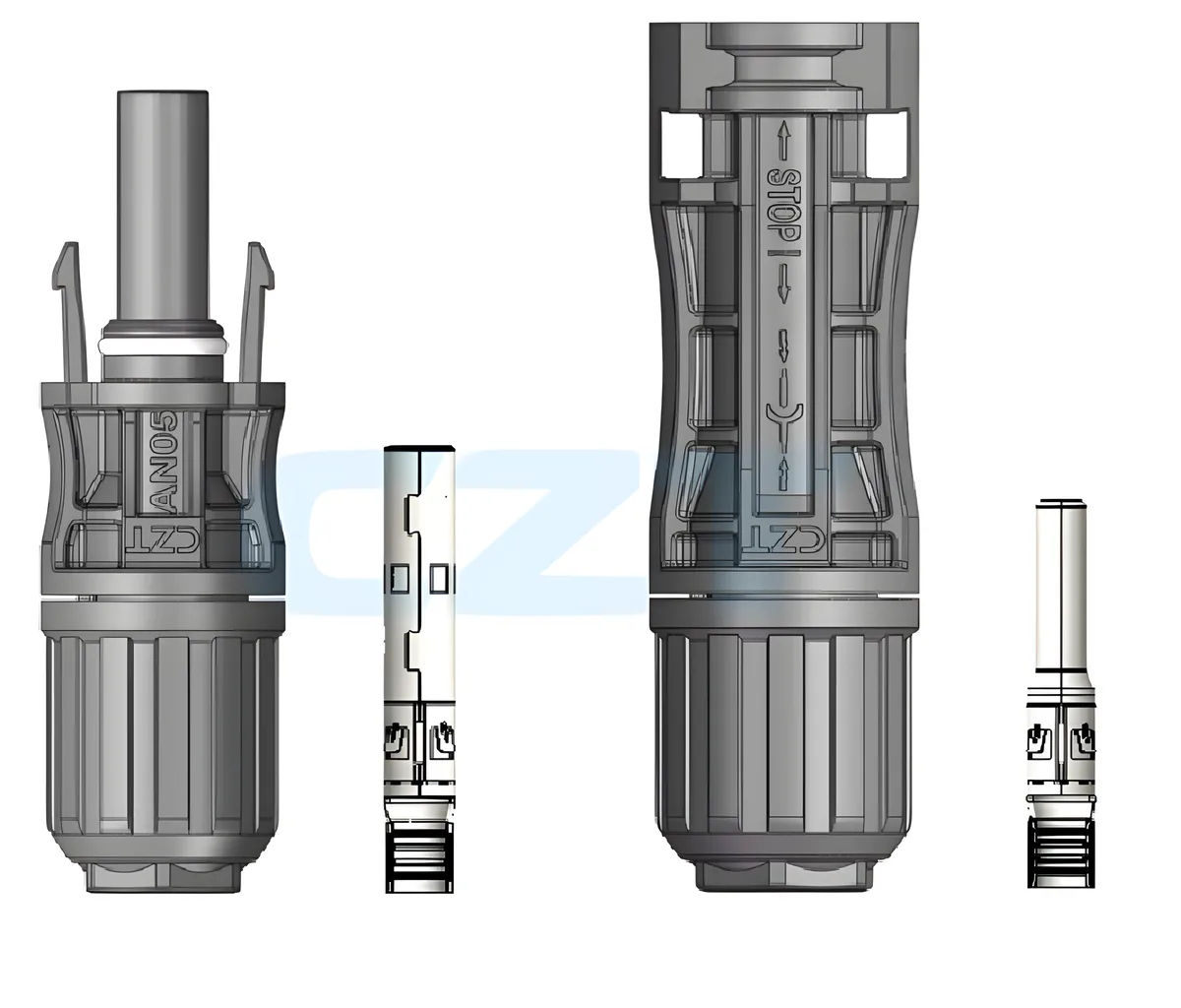
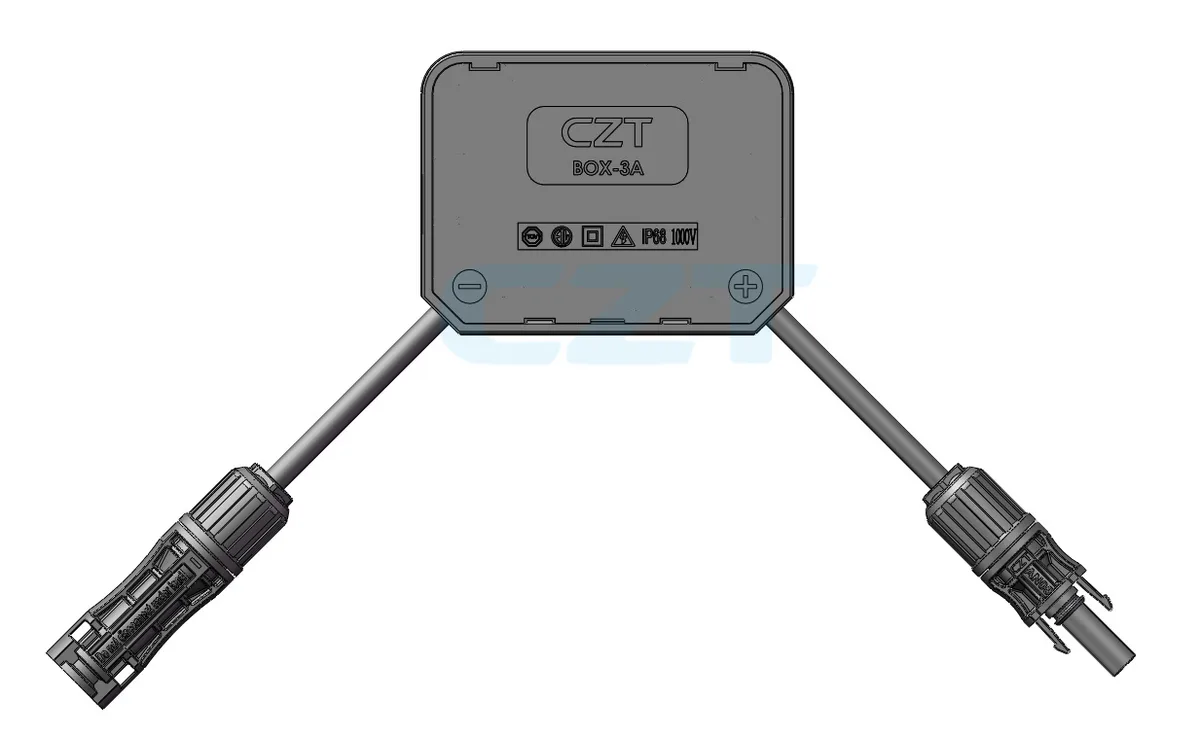
Choosing between a busbar and a cable is one of the most consequential decisions in any power distribution design. Pick the wrong conductor and you face overheating, wasted panel space, higher lifecycle costs, or all three.
This guide breaks down the busbar vs cable comparison across every factor that matters — current capacity, thermal performance, space, installation labor, maintenance, and total cost of ownership. By the end, you will have a clear decision framework for your next project.
Quick Comparison: Busbar vs Cable
| Factor | Busbar | Cable |
|---|---|---|
| Current capacity | Up to 6,000 A+ per bar | Typically up to 500–630 A per conductor |
| Heat dissipation | Excellent — large surface area | Moderate — insulation traps heat |
| Space efficiency | Very compact | Requires more routing space |
| Voltage drop | Lower over short runs | Higher, especially at long distances |
| Installation | Bolt-in, modular | Pull, terminate, tie-wrap |
| Flexibility of routing | Rigid, fixed paths | Highly flexible |
| Maintenance | Easy visual inspection | Harder to inspect inside conduit |
| Initial cost | Higher per unit | Lower per unit |
| Lifecycle cost | Often lower (25+ year lifespan) | Often higher (replacement cycles) |
| Best distance | Short to medium (under 50 m) | Any distance, especially long runs |
What Is a Busbar?
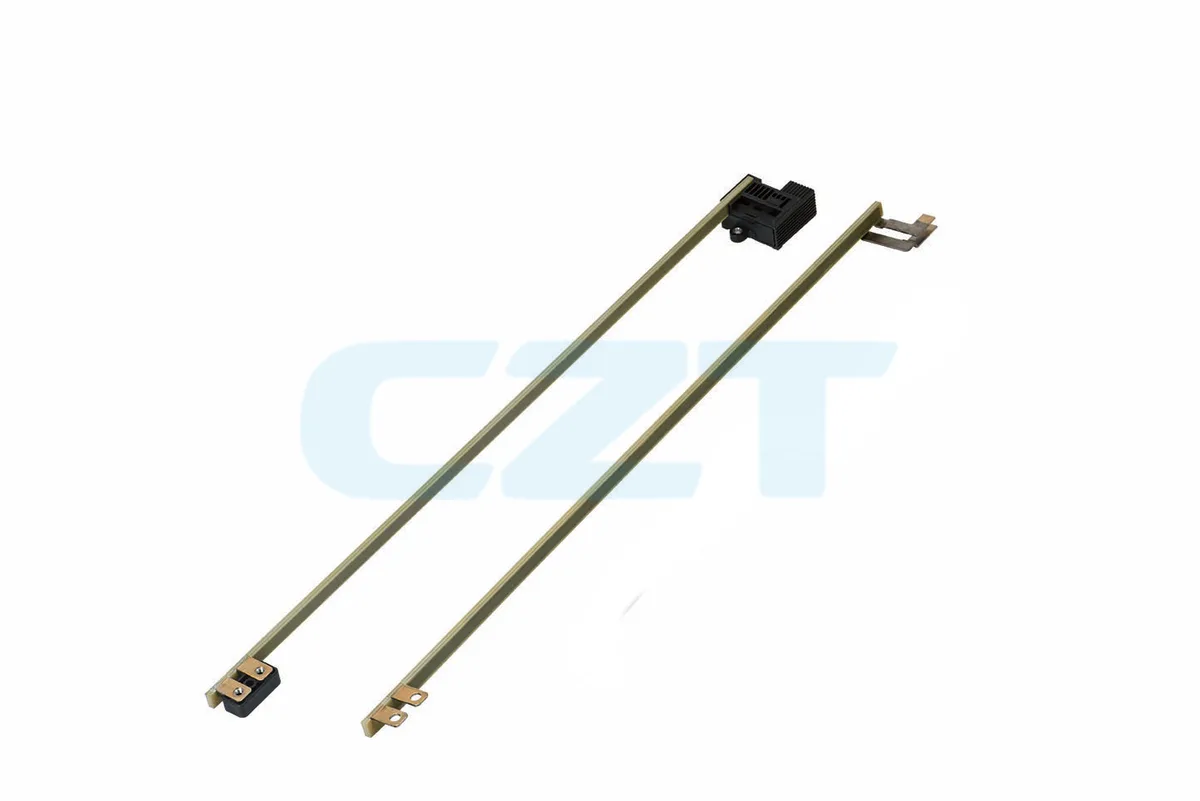
A busbar electrical conductor is a rigid metallic strip — usually copper or aluminum — that distributes power within switchgear, panelboards, battery packs, and other electrical enclosures. Instead of routing dozens of individual wires, a single busbar provides a shared, high-current pathway that multiple circuits tap into.
Busbars come in several forms:
- Flat bars — the most common; stamped or machined from solid copper or aluminum sheet.
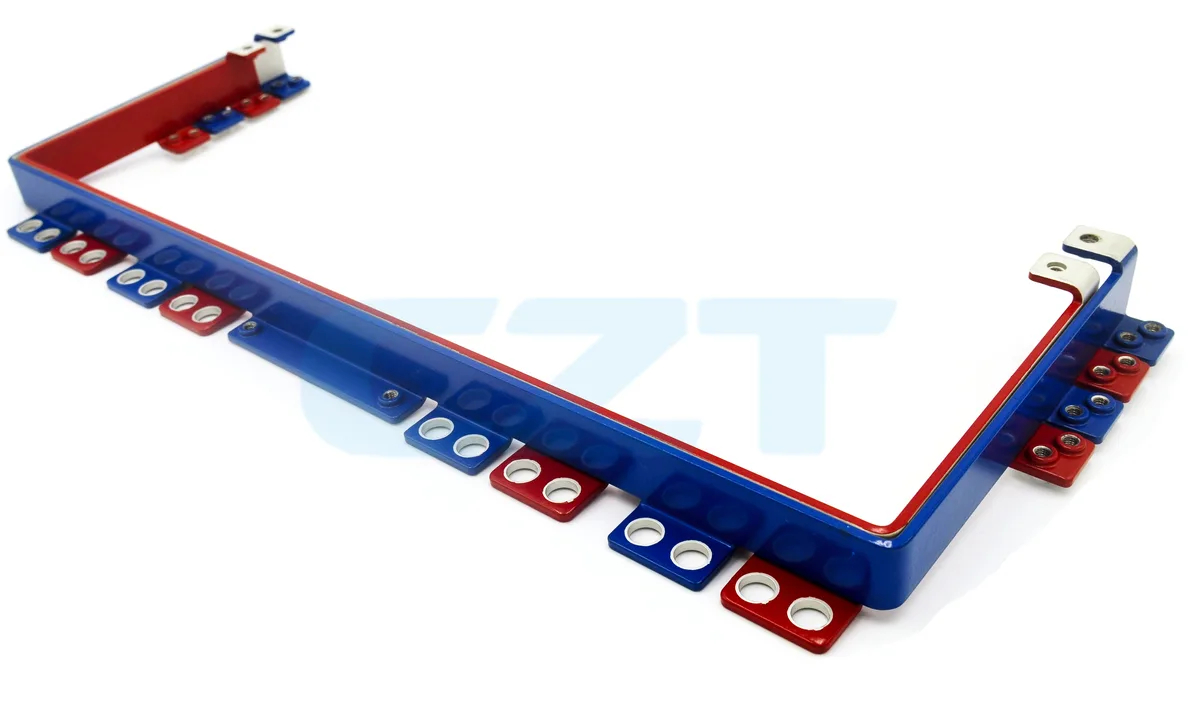
- Laminated busbars — multiple thin layers separated by insulation, used in high-frequency or high-density applications like inverters and EV battery modules.
- Tubular busbars — hollow round or rectangular profiles for outdoor substations where corona discharge is a concern.
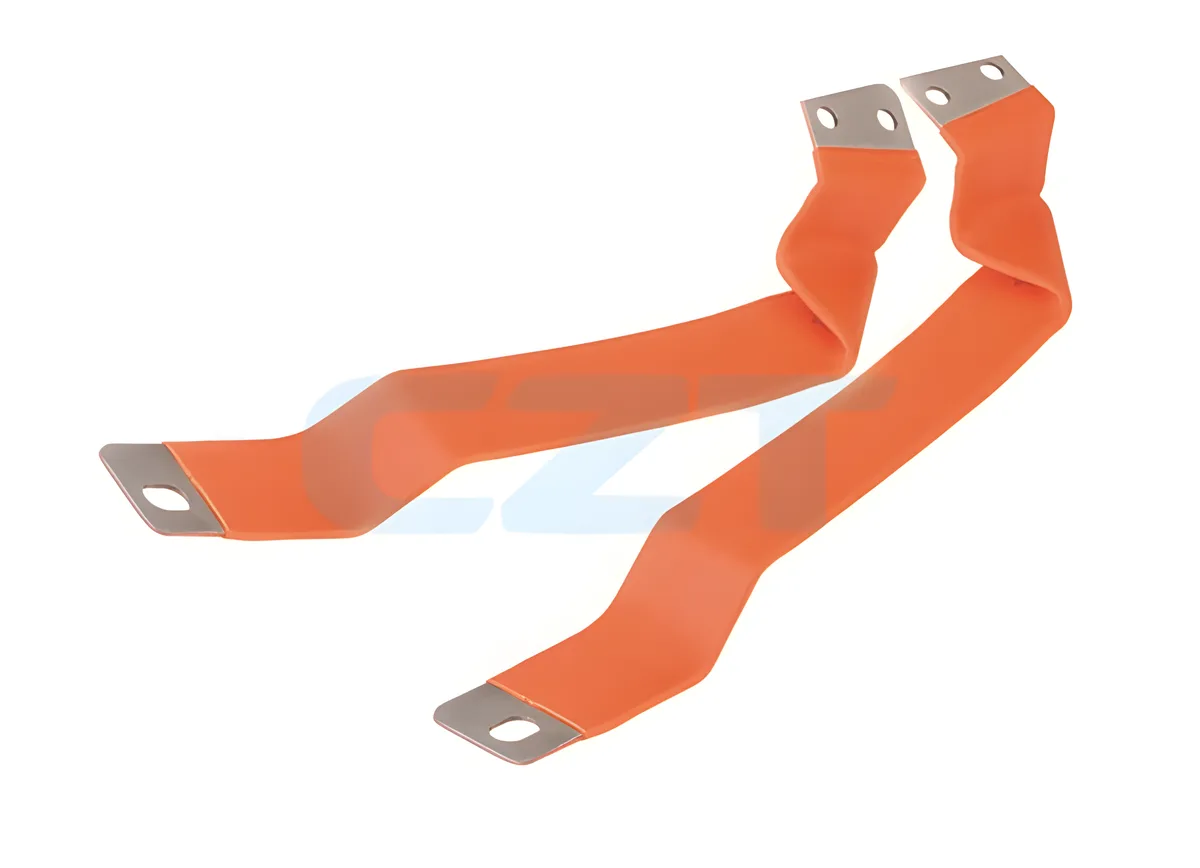
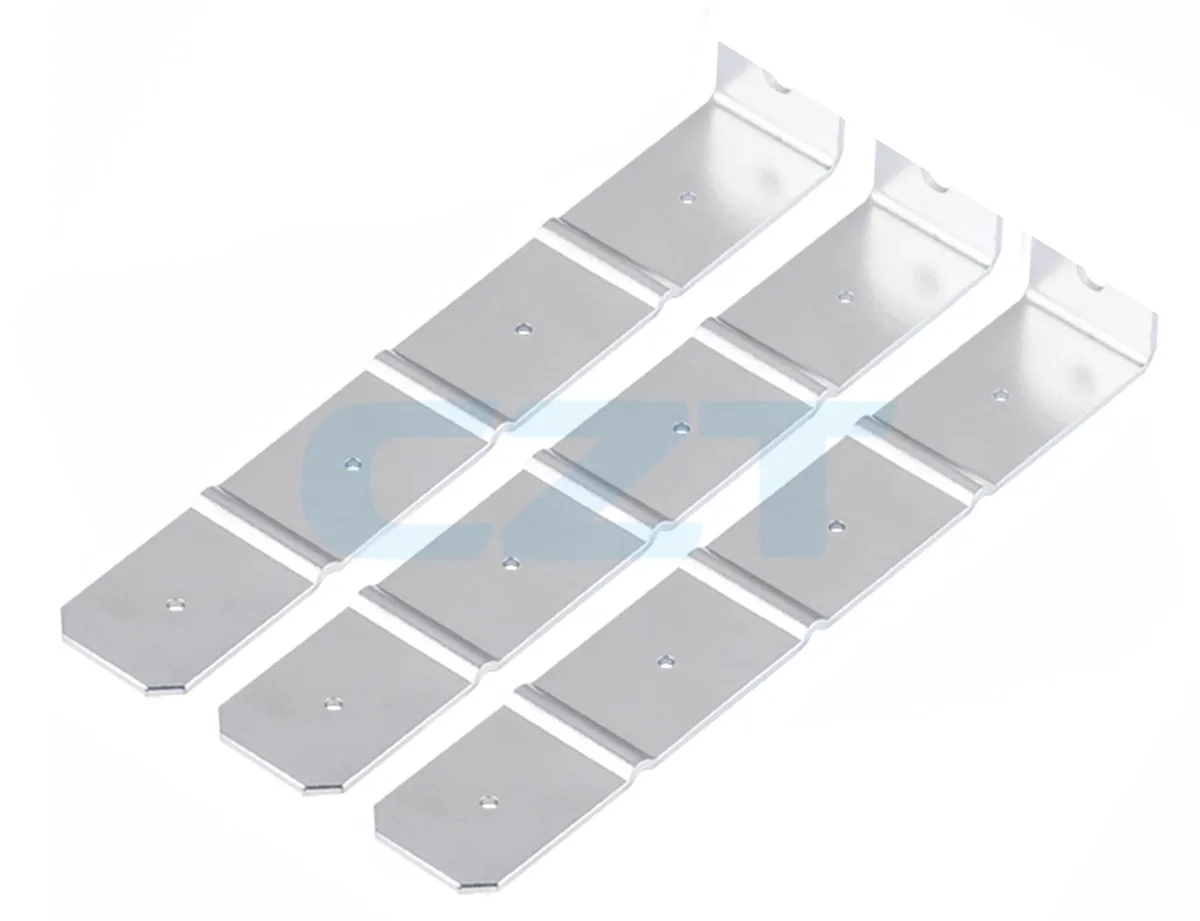
- Flexible busbars — braided or thin-foil stacks that absorb vibration and thermal expansion.
For a deeper dive into materials, specifications, and selection criteria, read our full guide: What Is a Busbar? A Complete Guide for Engineers.
What Is a Power Cable?
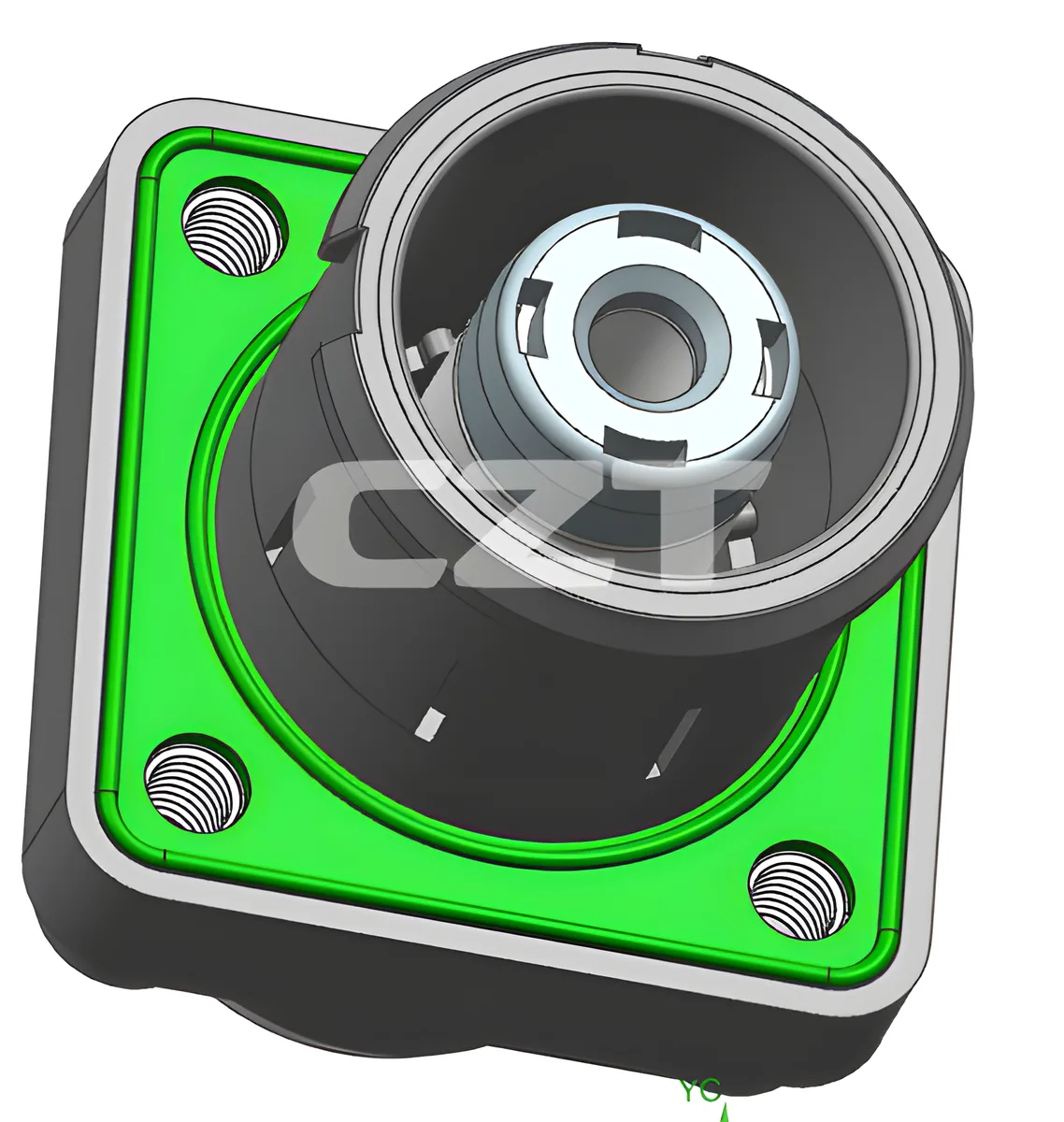
A power cable is a flexible assembly of one or more insulated conductors enclosed in a protective sheath. Cables are the default choice for distributing electricity from point A to point B in most buildings, plants, and infrastructure projects.
Common power cable types include:
- THHN/THWN — standard building wire rated 600 V, used in conduit runs.
- XHHW-2 — cross-linked polyethylene insulation for wet and dry locations.
- Type MC (Metal-Clad) — factory-assembled cable with an interlocking metal armor.
- Medium-voltage cable (5–35 kV) — shielded, jacketed cables for utility and industrial feeders.
- Flexible welding cable — highly stranded conductors for portable or high-vibration equipment.
Cables excel where routing flexibility, long distance, and lower current levels are the primary requirements.
Busbar vs Cable: Detailed Comparison
Current Capacity
A single copper busbar with a 100 mm x 10 mm cross-section can carry roughly 1,200 A in free air. Achieving the same capacity with cables requires multiple parallel 500 kcmil conductors, each in its own conduit, with derating factors applied for bundling.
For systems above 800 A, busbars almost always win on current density per unit of cross-sectional area.
Heat Dissipation
This is where the busbar electrical advantage is most dramatic. A flat copper bar exposes its full surface area to surrounding air. Heat radiates and convects away efficiently.
Cables, by contrast, are wrapped in insulation that acts as a thermal blanket. When you bundle multiple cables in a tray or conduit, the derating can be severe — sometimes 50% or more of the cable's standalone ampacity.
| Thermal Metric | Busbar (100 x 10 mm Cu) | Cable (500 kcmil Cu, THHN) |
|---|---|---|
| Surface area per meter | ~2,200 cm² | ~470 cm² (per conductor) |
| Typical temp rise at rated current | 30–40 °C | 60–75 °C |
| Derating for bundling | Minimal (spaced bars) | 40–60% (conduit fill) |
| Ambient temp limit | Up to 105 °C (with proper insulation) | 75–90 °C (insulation class dependent) |
Space Efficiency
A busbar system serving 2,000 A might occupy a cross-section of 120 mm x 30 mm. Delivering the same current with cables could require four parallel sets of three-conductor 500 kcmil cable — each set needing its own conduit. The total footprint is easily five to ten times larger.
In data centers, battery energy storage systems (BESS), and compact switchgear, this space savings is not a luxury. It is a design requirement.
Installation
Cable installation is labor-intensive at high amperages. Each conductor must be pulled through conduit, terminated with compression lugs, torqued to specification, and supported at regular intervals. Parallel sets multiply every step.
Busbar systems bolt together. Modular sections snap or bolt into place, connections are made with hardware, and the entire run can be installed in a fraction of the time. Some manufacturers report 50–70% labor savings on busbar trunking versus equivalent cable installations.
Maintenance and Inspection
Busbars are visible and accessible. A technician can perform a thermal scan, check bolt torque, and visually inspect connections without pulling anything apart.
Cables inside conduit are hidden. Identifying a fault often means megger testing each conductor, pulling cables for inspection, or using time-domain reflectometry. Maintenance windows are longer and more expensive.
Voltage Drop
Busbars have lower impedance per unit length than cables of equivalent ampacity, primarily because of their larger cross-sectional area and lower inductance (especially laminated busbars). Over a 30-meter run at 1,500 A, the voltage drop difference can be 1–2% — significant in sensitive power distribution or battery systems where every millivolt counts.
Flexibility and Routing
This is where cables have a clear advantage. Cables bend around corners, run vertically through risers, cross expansion joints, and route through tight or irregular spaces. Busbars require straight runs with planned bends, offsets, and expansion joints fabricated to order.
If your routing path is complex, changes frequently, or spans long distances with multiple direction changes, cables are simpler to design and install.
Scalability
Busbar trunking systems are inherently modular. Adding a new tap-off point means bolting on a plug-in unit at any location along the run. With cables, adding a new feed typically means pulling a new home run back to the panel.
For facilities that expect load growth — data centers, manufacturing plants, EV charging depots — busbar scalability reduces future retrofit costs.
Advantages of Busbars Over Cables
When the application fits, a power distribution busbar delivers measurable benefits.
1. Higher Current Density
Busbars carry more current per square millimeter of installed footprint. A single bar replaces multiple parallel cable sets, simplifying the design and reducing connection points — each of which is a potential failure mode.
2. Superior Thermal Performance
The exposed surface area of a busbar dissipates heat far more effectively than insulated cable. This means less derating, tighter temperature control, and longer insulation life for surrounding components.
3. Significant Space Savings
In a 2,000 A distribution system, switching from cable to busbar can recover 60–80% of the conductor routing space. In a battery energy storage cabinet or a compact switchgear lineup, that recovered space translates directly into higher energy density or a smaller enclosure.
4. Easier Maintenance
Bolted connections are inspectable, re-torqueable, and thermally scannable. Maintenance teams prefer busbars because problems are visible before they become failures.
5. Lower Voltage Drop
Reduced impedance means tighter voltage regulation, which is critical in DC battery systems, solar inverter buses, and precision power distribution.
6. Longer Lifespan
A properly installed copper busbar with appropriate plating (tin or silver) can last 30 years or more with minimal degradation. Cables in high-current service often need replacement after 15–20 years due to insulation aging from thermal cycling.

When Cables Are the Better Choice
Busbars are not universally superior. Cables remain the right answer in many scenarios.
Long-Distance Runs
For feeders spanning hundreds of meters — say, from a utility transformer to a building main switchboard — cables in underground duct banks or overhead trays are the standard. Busbars over long distances require extensive support structures, expansion joints, and weatherproofing that erode their cost advantage.
Flexible and Complex Routing
When the path between source and load involves multiple bends, vertical risers, penetrations through fire-rated walls, and routing around existing infrastructure, cables adapt. Busbars require custom-fabricated bends and offsets for every direction change.
Lower Current Applications
Below 400–600 A, the cost and complexity advantages of busbars diminish. A single cable set handles the load without derating concerns, and the installation is straightforward. There is little reason to specify a busbar for a 200 A branch circuit.
Temporary or Portable Installations
Construction power, event installations, and mobile equipment need conductors that can be deployed, relocated, and coiled for storage. Flexible cables are the only practical option.
Cost-Sensitive Projects with Simple Layouts
If the budget is tight, the current is moderate, and the routing is a simple point-to-point run, cables will cost less to purchase and install. The lifecycle cost advantage of busbars requires higher currents and longer service periods to materialize.
Busbar Applications
The busbar electrical conductor is the preferred choice in these systems.
Switchgear and Distribution Panels
Every low-voltage switchboard and panelboard uses internal busbars to distribute power from the main breaker to branch circuits. These are typically tin-plated copper bars rated from 600 A to 5,000 A.
Power Distribution Units (PDUs)
Data center PDUs use busbars to deliver high-density power to server racks. Busbar trunking systems run overhead, with plug-in tap-off boxes feeding individual racks — enabling rapid reconfiguration as compute loads shift.
Energy Storage Systems (ESS)
Battery energy storage systems demand compact, low-impedance connections between battery modules, inverters, and DC buses. Laminated busbars are the standard here because they minimize parasitic inductance and distribute current evenly across parallel cells.
CZT manufactures custom busbars for energy storage applications, including laminated assemblies with integrated insulation and precision-machined terminals. Explore our energy storage busbars.
Solar Inverters and Combiner Boxes
String and central inverters use busbars to aggregate DC input from multiple PV strings and to distribute AC output. The low inductance of laminated busbars is especially valuable in high-switching-frequency inverter stages.
EV Battery Packs
Electric vehicle battery modules connect cells in series and parallel through stamped or laser-welded busbars. These busbars must handle high pulse currents, resist vibration fatigue, and fit within millimeter-tight packaging constraints.
Industrial Motor Control Centers (MCCs)
MCCs use horizontal and vertical busbars to feed motor starters, variable frequency drives, and other loads. The modular plug-in design allows electricians to add or replace units without de-energizing the entire bus.
Cable Applications
Cables remain the backbone of electrical distribution in these use cases.
Building Wiring
Branch circuits, feeders, and service entrances in commercial and residential buildings are almost exclusively cable-based. NEC and IEC standards are built around cable sizing, conduit fill, and ampacity tables.
Industrial Machinery Connections
Motors, pumps, compressors, and other rotating equipment connect via flexible cables that accommodate vibration, thermal movement, and occasional disconnection for maintenance.
Outdoor and Underground Installations
Direct-buried cables, aerial cables, and submarine cables serve applications where busbars are impractical. Weather resistance, UV stability, and mechanical protection are built into the cable construction.
Mobile and Portable Equipment
Welding machines, portable generators, temporary construction power, and mining equipment all rely on flexible, durable cables that can be repeatedly deployed and retrieved.
Cost Analysis: Busbar vs Cable
Cost is rarely a single number. The true comparison requires looking at the full lifecycle.
Initial Material and Equipment Cost
Busbars have a higher upfront cost per ampere-meter than cables. A copper busbar rated for 1,500 A might cost 2–3 times more per meter than the equivalent cable set in raw material alone. Add in busbar supports, joint kits, and tap-off units, and the gap widens further.
Cables, however, require conduit, fittings, cable tray, pull boxes, and termination hardware. At high amperages with multiple parallel sets, the cable-side bill of materials grows quickly.
Installation Labor
This is where busbars close the gap. Industry studies consistently show that busbar trunking systems install in 30–50% less time than equivalent cable systems at currents above 800 A. Electrician labor is expensive — often $80–$150 per hour fully burdened — so the labor savings are substantial.
| Cost Component | Busbar (2,000 A, 30 m) | Cable (2,000 A, 30 m) |
|---|---|---|
| Conductor material | $8,000–$12,000 | $5,000–$7,000 |
| Supports, conduit, tray | $1,500–$2,500 | $4,000–$6,000 |
| Terminations and hardware | $1,000–$1,500 | $2,000–$3,500 |
| Installation labor (est.) | $3,000–$5,000 | $7,000–$12,000 |
| Total installed cost | $13,500–$21,000 | $18,000–$28,500 |
Estimates based on US market pricing for commercial/industrial projects. Actual costs vary by region, labor rates, and project specifics.
Maintenance and Lifecycle Cost
Over a 25-year facility life, busbars typically require only periodic thermal scanning and bolt retorquing. Cables may need replacement after 15–20 years in high-current, thermally stressed applications. When you factor in downtime costs for cable replacement, the busbar lifecycle advantage becomes compelling.
Break-Even Point
As a rule of thumb, busbars become cost-competitive with cables at around 800–1,000 A for runs under 50 meters. Above 1,500 A, busbars are almost always the more economical choice on a lifecycle basis.
Making the Right Choice: A Decision Framework
Use this framework to determine whether a busbar or cable is the right fit for your project.
Choose a Busbar When:
- Current exceeds 800 A — The density, thermal, and installation advantages of busbars scale with amperage.
- Space is constrained — Battery cabinets, compact switchgear, data center overhead runs.
- Low voltage drop is critical — DC bus systems, battery interconnects, precision power distribution.
- You need modularity — Facilities expecting load growth or frequent reconfiguration.
- Maintenance access matters — Mission-critical systems where downtime must be minimized.
- The run is short to medium — Under 50 meters, where busbar supports and expansion joints are manageable.
Choose a Cable When:
- Current is below 600 A — Simple, cost-effective, well-understood.
- The run is long — Over 50 meters, especially outdoor or underground.
- Routing is complex — Multiple bends, risers, penetrations, and obstacles.
- The installation is temporary — Construction power, events, portable equipment.
- Budget is the primary constraint — And the current is moderate enough that lifecycle costs do not tip the balance.
Hybrid Approach
Many real-world systems use both. A busbar trunking system distributes power along a main corridor, and cables branch off from tap-off units to individual loads. This hybrid approach captures the density and scalability of busbars for the main run while leveraging the flexibility of cables for the last meter.
Frequently Asked Questions
Is a busbar safer than a cable?
Both are safe when properly designed, installed, and maintained to applicable codes (NEC, IEC 61439, UL 857). Busbars offer some safety advantages in high-current applications: connections are visible and inspectable, thermal performance is better (reducing fire risk from overheating), and fault current withstand ratings are easier to verify. However, exposed busbars in accessible locations require proper insulation or guarding to prevent accidental contact.
Can I replace existing cables with busbars?
Yes, retrofit projects commonly replace aging cable feeders with busbar trunking, especially when upgrading capacity. The key considerations are physical space for the busbar run, support structure adequacy, and coordination with existing protective devices. A qualified engineer should perform a fault current and coordination study before any retrofit.
What is the maximum current a busbar can carry?
There is no fixed upper limit. Single copper busbars are commonly rated up to 6,000 A. For higher currents, multiple bars are stacked or run in parallel. Utility-grade isolated-phase bus ducts handle 30,000 A or more in power plant generator connections. The practical limit is set by the available cross-section, cooling method, and enclosure design.
Do busbars work for DC applications?
Absolutely. Busbars are the preferred conductor for DC power distribution in battery energy storage systems, solar inverter DC buses, EV battery packs, electroplating facilities, and data center DC power architectures. Laminated busbars are especially popular in DC applications because their low inductance reduces switching transients and voltage spikes.
How do I specify a custom busbar for my project?
Start with these parameters: rated current, rated voltage, system frequency (AC or DC), fault current withstand (kA for duration), operating temperature range, and mechanical constraints (dimensions, mounting holes, bend locations). Material choice (copper vs. aluminum) and plating (tin, silver, nickel) depend on the environment and contact requirements. CZT's engineering team can help you select the right configuration — request a custom quote.
Partner with CZT for Custom Busbar Solutions
CZT (Wenzhou Yihua Connector) designs and manufactures custom copper and aluminum busbars for energy storage, solar, EV, and power distribution applications. With over 30 years of precision connector manufacturing, ISO 9001 certification, and in-house stamping, plating, and CNC machining, we deliver busbars engineered to your exact specifications.
Whether you need laminated busbars for a battery module, stamped busbars for a switchgear lineup, or flexible busbars for a vibration-prone environment, our engineering team is ready to help.
Explore our energy storage busbar products or learn more about our renewable energy solutions.