A connector 8D report should be judged by its evidence, not by whether every box contains text. Temporary containment, verified cause and effective corrective action answer different questions. A completed form is useful only when those connections are clear and the reported results can be traced to actual work.
ASQ's 8D overview distinguishes interim containment, cause verification and validation of corrective action. Use that framework with the actual project requirements. A defect involving the RJ45 integrated-magnetics family, for example, still needs the specific model, process and application evidence.

Figure 1. CZT document-management example. An 8D action must connect to controlled process records; a management screenshot is not a completed corrective-action report. CZT source · Original image.
Check what containment actually covered
Identify the suspect population and the basis used to define it. Review supplier stock, work in progress, shipments and customer stock as applicable to the investigation. Record which locations were checked and which remain uncertain.
Examine the screening method and its ability to detect the reported defect. Sorting is not demonstrated merely by reporting a quantity inspected. The report should explain the criterion, equipment or reference used and how rejected material was controlled.
Keep containment effectiveness separate from the permanent fix. Finding and removing existing defects does not by itself show why the process created them.
Look for cause verification
Separate the explanation for occurrence from the explanation for escape. A useful report investigates both why the defect was produced and why the existing controls did not detect it.
| Review question | Supporting evidence |
|---|---|
| Can the symptom be reproduced? | Defined setup and recorded observations |
| What identifies the cause? | Comparison or experiment addressing alternatives |
| Why did inspection miss it? | Review of the actual detection method |
| What will change? | Specific process or design action |
| How will effectiveness be judged? | Defined result and monitoring boundary |
A cause diagram or repeated why analysis can organize thinking, but it is not proof by itself. Ask which observation distinguishes the proposed cause from other plausible explanations.
Evaluate the correction on relevant product
For a hypothetical connector assembly, training an operator may be proposed after an incorrectly seated component escapes inspection. The review should ask whether unclear instructions, fixture design or ineffective detection also contributed. Closing the report with training alone would need evidence that the selected action addresses the demonstrated mechanism.
Review trials using the intended corrected process and identify the product and quantities involved. Do not accept a broad no recurrence statement without its period, population and detection method.
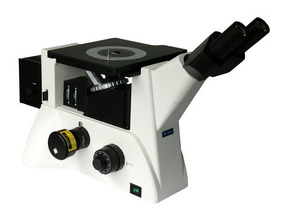
Figure 2. CZT metallurgical microscope. Examination imagery provides method context for evidence-based cause verification, not a proved root cause. CZT source · Original image.
Close with controlled implementation
Confirm that drawings, work instructions, inspection methods or other relevant records have been updated as required by the chosen action. Identify the implementation boundary and any continuing containment.
State unresolved items and the authorized closure decision. Future monitoring should be defined from the actual product risk and customer agreement rather than an invented universal deadline. A strong 8D connects the observed defect to a verified cause, a targeted correction and evidence of effectiveness, while leaving the limits of that evidence visible to engineering and purchasing.
Connect this review to CZT product information
Start with the relevant CZT product family and provide the original interface reference or controlled drawing. Ask which configurations and supporting documents are available for the task described here. Confirm the mating arrangement, required features and project conditions before choosing an orderable part.
Browse the relevant product family · View catalog resources
Discuss a drawing, sample or quotation
Share the part or family reference, current drawing revision, operating conditions and quantities. Include the specific checks described in this article so the inquiry identifies both the component and the evidence needed for your decision. Confirm sample availability and the proposed scope with the supplier.
Request a technical review or quotation
For broader context, read the related selection guide.