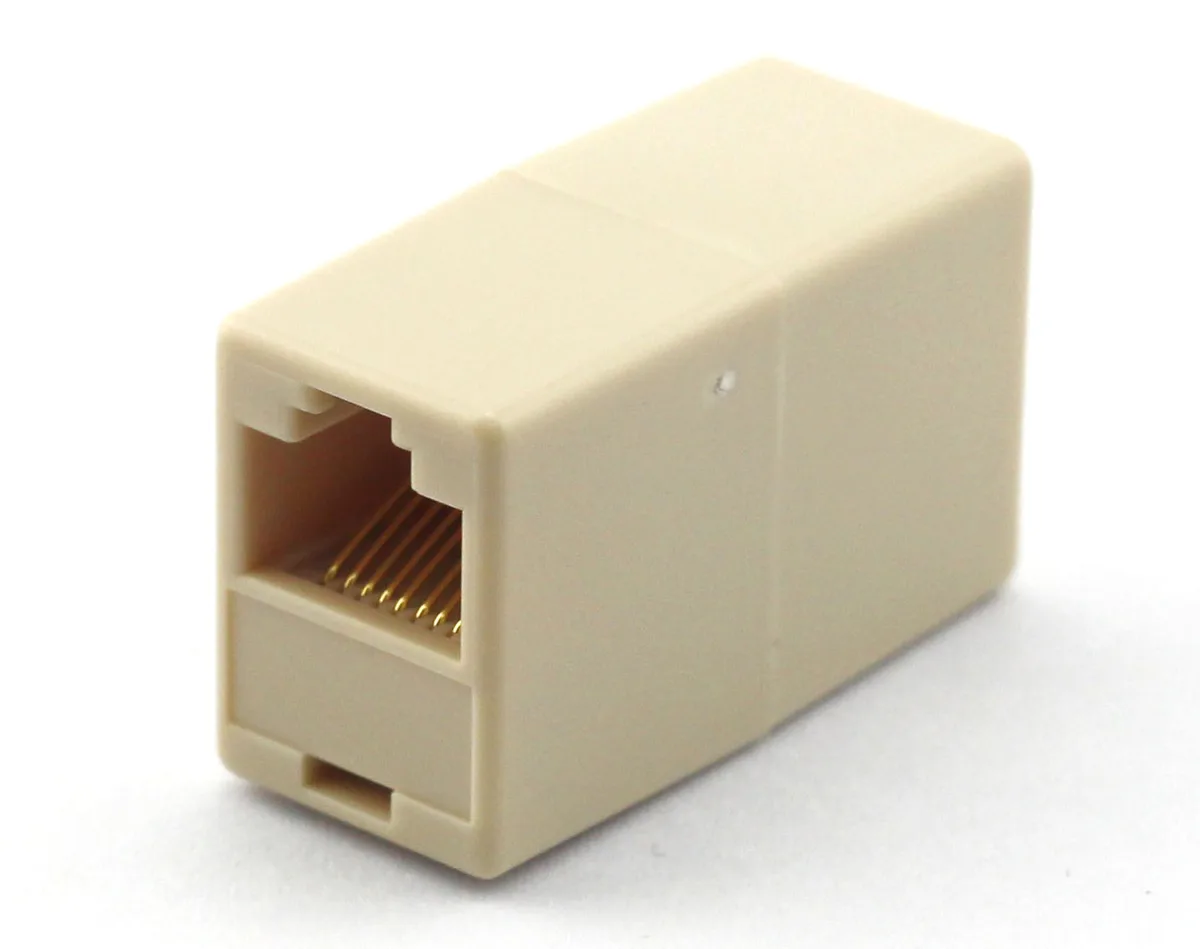
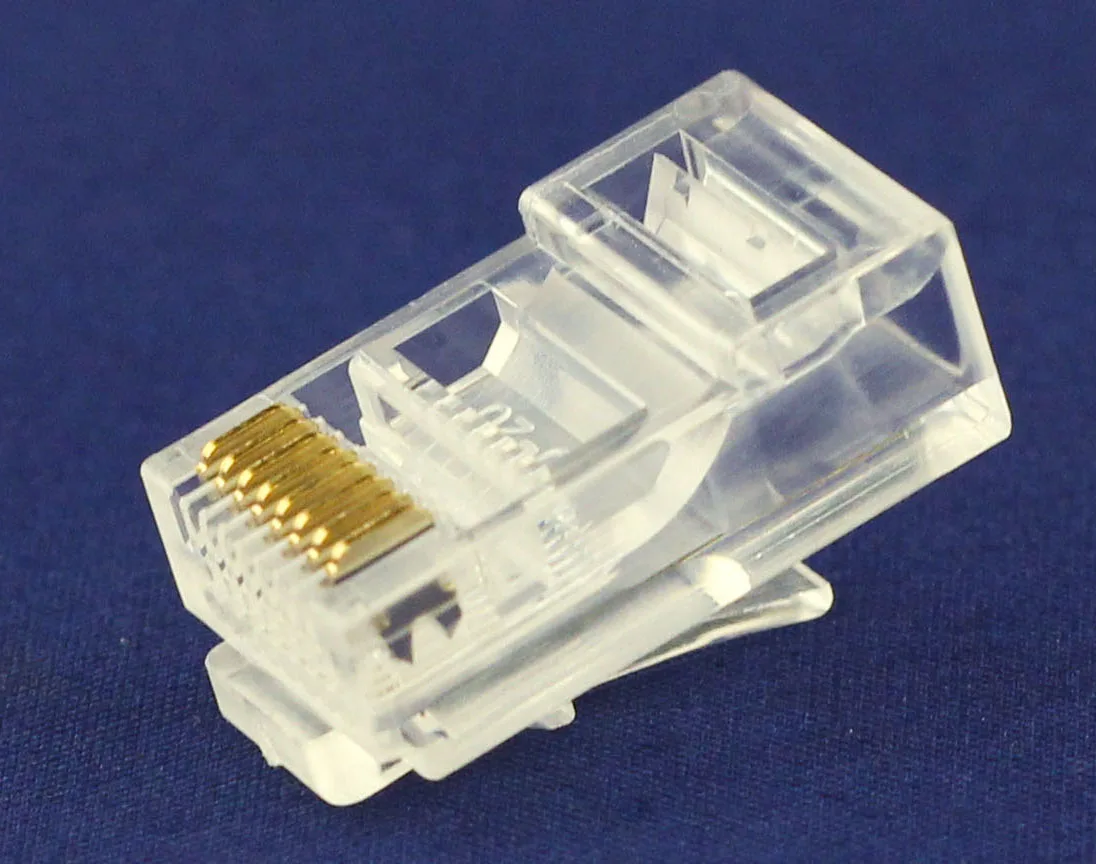
A connector RFQ is ready for technical review when it identifies the interface, installed conditions, required evidence and purchasing quantities clearly enough to evaluate a specific proposal. Completeness does not mean every field must already have an answer. It means confirmed requirements, negotiable preferences and unresolved questions are visibly different.

Figure 1. CZT development-flow diagram. RFQ completeness should cover the inputs and decisions needed by the development workflow. CZT source · Original image.
Identify the actual interface
Provide the equipment-side requirement and exact mating counterpart where known. Include a drawing or installed sketch showing board, panel and cable constraints. A photograph can help identify a product family, but it rarely defines the complete electrical and mechanical interface.
For example, JBG110710105 is a catalog identifier in CZT's RJ45 integrated-magnetics family. The identifier can route an inquiry, but a proposed selection still needs its actual drawing, circuit definition and application review. Do not replace those inputs with a broad request for a compatible RJ45 connector.
Mark the requirement status
Separate mandatory requirements from preferences and questions. If board height is fixed but mounting method is negotiable, say so. If an operating condition is unknown, assign the question to an engineering owner rather than entering a guessed value that suppliers may treat as approved.
Keep electrical duty and mechanical environment specific. State which operating modes matter, what nearby components constrain the installation and which evidence the approval process requires. A supplier can then identify whether a catalog proposal, a modified construction or more application information is needed.
A usable RFQ completeness table
| Field | Information to enter | Status to assign |
|---|---|---|
| Interface | Counterpart identity and intended function | Mandatory or unresolved |
| Installation | Drawing, space and mounting constraints | Fixed or negotiable |
| Operating conditions | Relevant electrical and environmental inputs | Confirmed or awaiting owner |
| Evidence | Required drawings, samples and reports | Required or proposed |
| Quantities | Prototype, pilot and forecast demand | Firm or planning estimate |
| Timing | Review milestones and requested delivery | Requested, then supplier-confirmed |
The table can be copied into an inquiry document. It is a working template, not a claim that a completed downloadable form or approval package already exists.
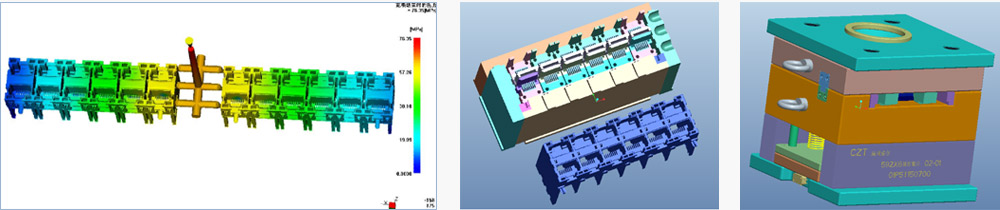
Figure 2. CZT tooling CAD examples. A controlled geometry reference makes an inquiry reviewable; this is manufacturer tooling imagery rather than a customer drawing. CZT source · Original image.
Separate quantities and response obligations
Distinguish the immediate sample order from the annual forecast. State whether production demand is committed or provisional, and identify the expected release pattern. A large forecast should not silently become a firm order, and a sample quantity should not become the only basis for production pricing.
Ask the supplier to respond with proposed part identity, document revisions, exceptions and open questions. Review those answers against the original requirement status before comparing prices. If two quotations make different assumptions, resolve the difference first.
The resulting RFQ can move efficiently because reviewers can see what is known and which decision is needed next. Retain the final response with the inquiry revision so that sample selection and purchasing approval refer to the same requirement set.
Connect this review to CZT product information
Examples for applying this worksheet are listed below. Use the identifiers to request the current drawing and confirm the configuration required by your application.
| Catalog reference | Product information | Drawing record | Reference inquiry |
|---|---|---|---|
| QWY-1062-7 | 4001 Series 8-position modular socket, QWY-1062-7 | Listed PDF | Ask about this reference |
| QWY-1013-10 | 8P8C modular plug, QWY-1013-10 | Listed PDF | Ask about this reference |
A catalog drawing reference is a starting document, not a substitute for reviewing its revision, options and suitability for the complete assembly.
Browse the relevant product family · View catalog resources
Discuss a drawing, sample or quotation
Share the part or family reference, current drawing revision, operating conditions and quantities. Include the specific checks described in this article so the inquiry identifies both the component and the evidence needed for your decision. Confirm sample availability and the proposed scope with the supplier.
Request a technical review or quotation
For broader context, read the related selection guide.