Map a connector material declaration to the actual housing, contacts, plating and other constituent parts on its controlled BOM. A declaration for a supplier or broad product family does not automatically identify every material in the purchased construction. The useful record shows which source supports each constituent and what remains unresolved.
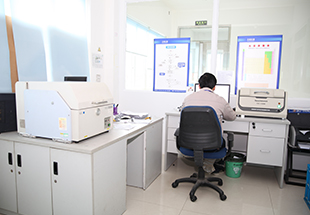
Figure 1. CZT materials-analysis workstation. A material-analysis photograph illustrates one type of supporting evidence; it is not certification or a declaration for a specified model. CZT source · Original image.
Start with the physical BOM
List the housing resin, conductive contact material, coating layers and any other included materials. Add seals, adhesives, wire insulation or shielding where they form part of the purchased assembly. Use the supplier's actual construction information rather than inferring composition from color or appearance.
CZT's connector electroplating family and USB Type-C family provide relevant inquiry routes. Their catalog labels do not identify the substances in a specific housing or plating stack. Request declarations tied to the proposed part and confirmed material configuration.
Identify the declaration requirement
Ask the customer's compliance owner which declaration format, substance-list basis and reporting scope apply. Record their versions and dates. Do not copy legal thresholds or claim a current compliance conclusion from an old generic letter.
IEC's material-declaration information describes reporting of substances and materials and exchange of that data through the supply chain. IPC's declaration standards information describes structured data formats. These are reporting frameworks, not evidence that a particular CZT part meets a regulatory requirement.
Build a constituent-to-evidence map
| BOM constituent | Source record to request | Mapping check |
|---|---|---|
| Molded housing | Material or component declaration | Exact resin and relevant supplied variant |
| Contact substrate | Material declaration | Specified alloy or controlled construction |
| Plating stack | Finish or constituent declaration | Layers and applicable process identity |
| Seal or adhesive | Component declaration | Actual formulation or supplied part |
| Purchased subassembly | Upstream declaration | Included constituents and covered revision |
Retain the issuer, document date, covered part or material, reporting basis and identified gaps. A laboratory report and a supplier declaration may support different questions; do not silently treat them as identical evidence.
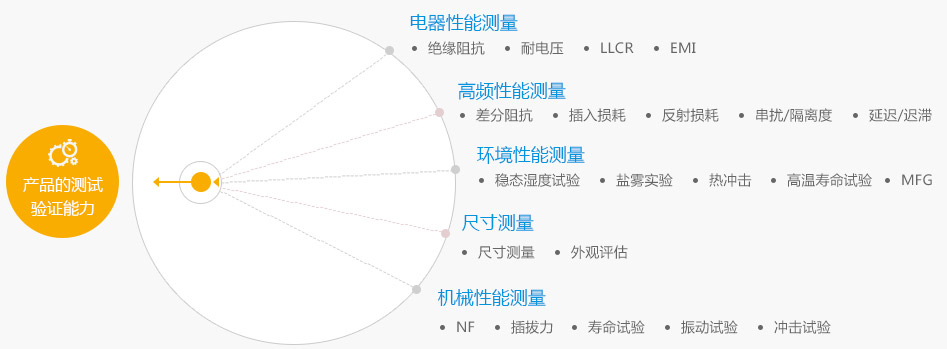
Figure 2. CZT qualification-area diagram. Different compliance or qualification questions require their own documented scope and product identity. CZT source · Original image.
Keep the map current after changes
Assess updates when a resin, alloy, coating process or sub-supplier changes. A plating subcontractor change may require refreshed evidence even if the visible connector shape and commercial ordering code stay the same. Assign the update action to a responsible party.
A hypothetical declaration can cover the contact substrate while omitting the added finish. The correct map shows that finish as an open evidence item, rather than marking the whole contact complete from the substrate document.
Keep confidential source data under the agreed access arrangements. A summary sent downstream should preserve the necessary part and reporting identities, while any omitted detail remains identifiable as an explicit evidence boundary.
Use the finished map to support the responsible organization's compliance assessment. Keep the conclusion separate from the underlying declarations and identify its scope and date. This preserves the material evidence without converting an incomplete BOM or a catalog description into an unsupported approval claim.
Connect this review to CZT product information
Start with the relevant CZT product family and provide the original interface reference or controlled drawing. Ask which configurations and supporting documents are available for the task described here. Confirm the mating arrangement, required features and project conditions before choosing an orderable part.
Browse the relevant product family · View catalog resources
Discuss a drawing, sample or quotation
Share the part or family reference, current drawing revision, operating conditions and quantities. Include the specific checks described in this article so the inquiry identifies both the component and the evidence needed for your decision. Confirm sample availability and the proposed scope with the supplier.
Request a technical review or quotation
For broader context, read the related selection guide.