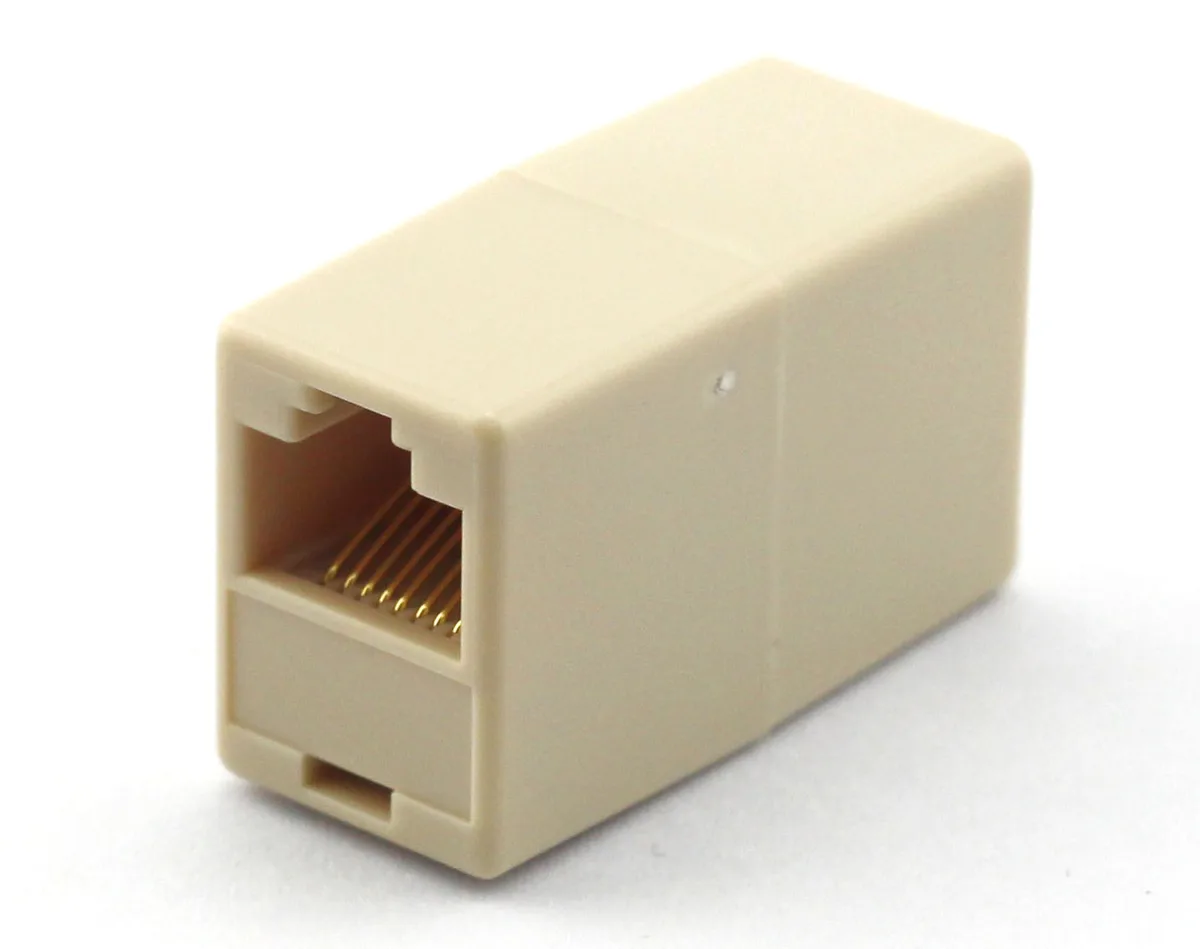
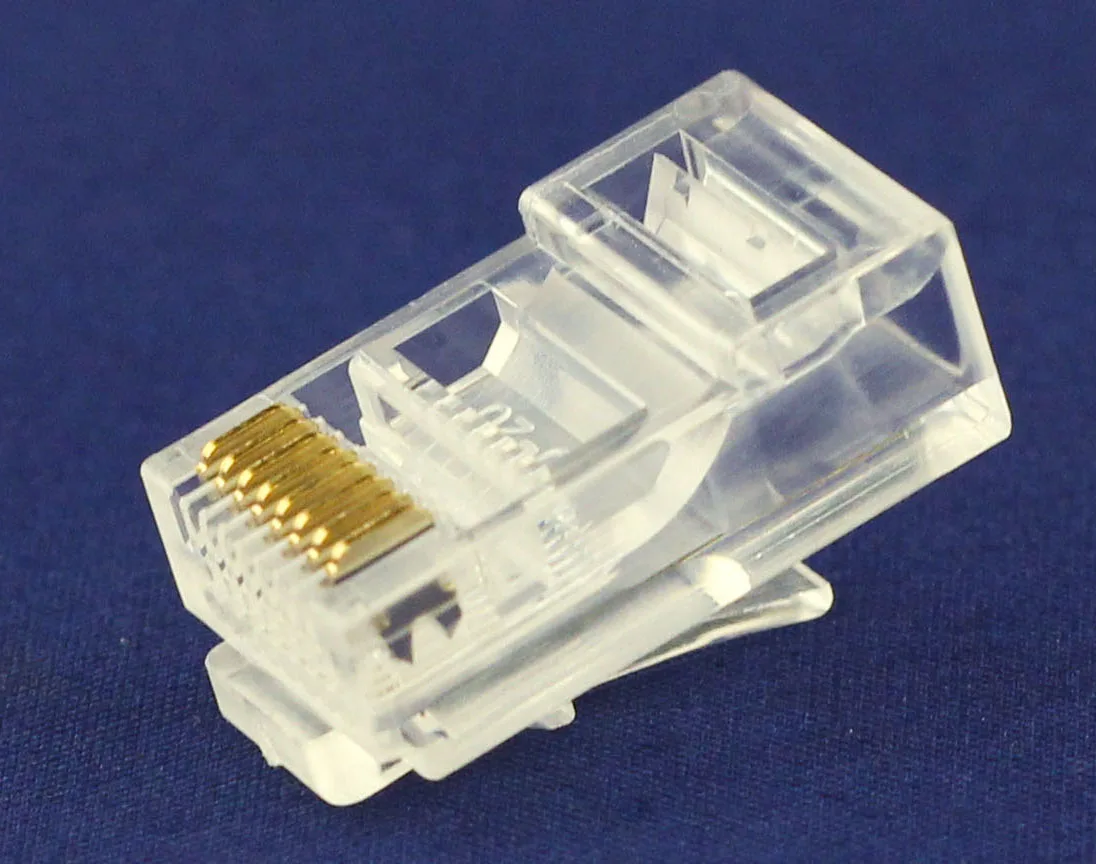
Match every connector sample to an identified part and drawing revision before testing or assembly review. A result belongs to the specimen actually examined, not automatically to the newest PDF in the project folder. Sample labels, document control and test records should preserve that relationship from receipt through final disposition.
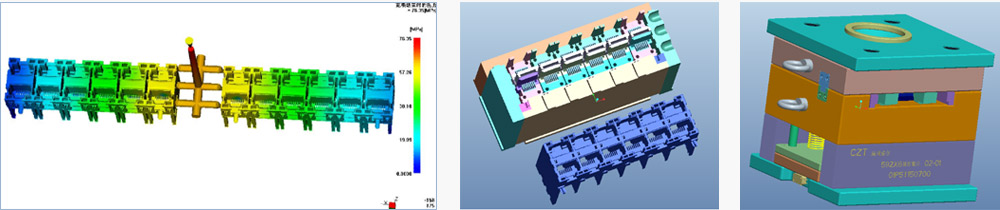
Figure 1. CZT tooling CAD examples. Drawing identity must be tied to the actual sample, its label and approved revision. CZT source · Original image.
Create the sample identity at receipt
Record the supplier part number, lot or sample reference, received quantity and any revision marking. Photograph the original packaging before repacking. Assign internal sample identifiers without discarding the supplier's labels or their relationship to individual pieces.
If the part is too small for a durable label, identify its container or position in a controlled tray. Define how that association is preserved when pieces are removed for assembly, sectioning or testing. A labeled bag is not sufficient after its contents are mixed on a bench.
Resolve the document set
List the drawing, data sheet, approved changes and application instructions used for evaluation. Check their identities against the supplier's sample statement. A common part number can span revisions, so ask the supplier to confirm the construction actually shipped.
CZT's USB Type-C connector family includes the catalog reference 10317016B001 USB TYPE C F. That name supports an identification inquiry; it does not establish which drawing revision a particular unmarked sample represents. Obtain a written sample-to-drawing cross-reference when the packaging does not settle it.
A sample and document matching table
| Record | Entry to preserve |
|---|---|
| Internal sample ID | Individual specimen or controlled group identity |
| Supplier identity | Part, lot and original package reference |
| Construction revision | Confirmed drawing and change status |
| Evaluation documents | Data sheet and instructions used |
| Intended activity | Fit, electrical, environmental or destructive examination |
| Disposition | Released for defined evaluation, held or returned |
Use the table as an index to the actual files and photographs. A statement that documents are on file is less useful than a link or controlled record identifier.

Figure 2. CZT document-management example. The manufacturer's published document-management example supports version-control context; it is not the customer's sample register. CZT source · Original image.
Isolate mixed or uncertain revisions
Do not combine uncertain samples with confirmed ones to complete a test quantity. Hold them separately, record the uncertainty and request clarification. If mixed revisions were already tested, identify which conclusions remain attributable and which need a new evaluation.
A hypothetical first article may fit the board successfully, while its label later reveals that the supplier sent the preceding revision. Preserve the successful observation, but do not assign it to the revised design without a justified comparison and any necessary recheck.
Keep tested and untested samples visibly separate during evaluation. A specimen used for destructive analysis or repeated assembly should not return to the unused pool without a recorded disposition.
When a new drawing arrives, retain the earlier test's original document reference. Add a change assessment instead of replacing its file link silently. This preserves useful historical evidence and makes the approval trail understandable when a production part differs from the sample that was originally examined.
Connect this review to CZT product information
Examples for applying this worksheet are listed below. Use the identifiers to request the current drawing and confirm the configuration required by your application.
| Catalog reference | Product information | Drawing record | Reference inquiry |
|---|---|---|---|
| QWY-1062-7 | 4001 Series 8-position modular socket, QWY-1062-7 | Listed PDF | Ask about this reference |
| QWY-1013-10 | 8P8C modular plug, QWY-1013-10 | Listed PDF | Ask about this reference |
A catalog drawing reference is a starting document, not a substitute for reviewing its revision, options and suitability for the complete assembly.
Browse the relevant product family · View catalog resources
Discuss a drawing, sample or quotation
Share the part or family reference, current drawing revision, operating conditions and quantities. Include the specific checks described in this article so the inquiry identifies both the component and the evidence needed for your decision. Confirm sample availability and the proposed scope with the supplier.
Request a technical review or quotation
For broader context, read the related selection guide.