Define connector PPAP scope with the customer before promising a submission package. The required records, samples, submission arrangement and approval authority must refer to the actual part and manufacturing process. A supplier's general statement that PPAP is available does not establish the deliverables or readiness for a specific order.
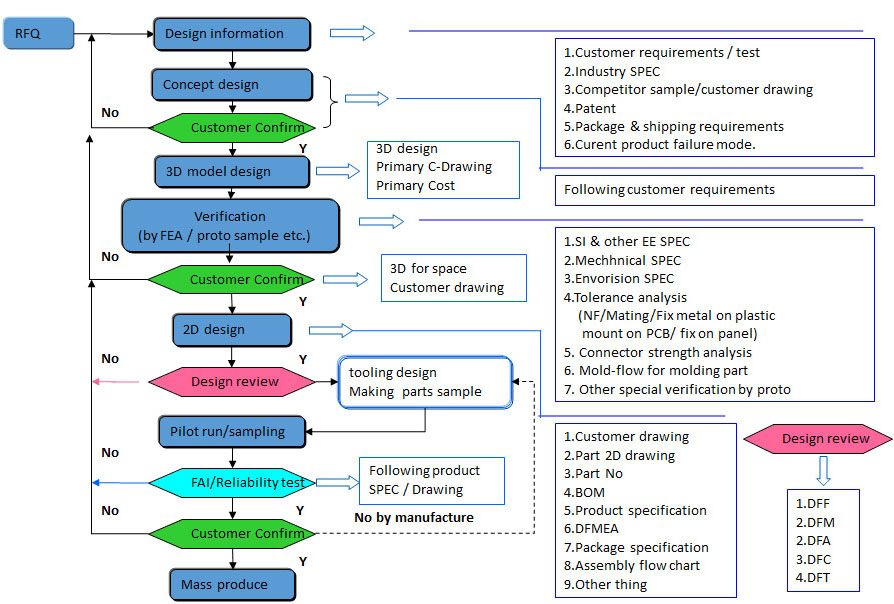
Figure 1. CZT development-flow diagram. A project needs an agreed submission and approval sequence; this diagram is not a PPAP package or customer approval. CZT source · Original image.
Confirm the customer's requirement
Obtain the applicable customer instructions, required reference documents and current revisions. Identify the part, production site, manufacturing process and reason for submission. Clarify the requested submission scope and any customer-specific additions before allocating work.
AIAG's PPAP overview identifies procedures, reporting, forms and record or sample retention as PPAP subjects. Use the actual manual and customer requirements for the project. Do not infer a complete checklist or an agreed submission level from a short public overview.
Assign ownership of each record
Distinguish who creates, reviews, submits and approves the evidence. Some information may come from the customer, a sub-supplier or a laboratory. The connector supplier needs a clear route for obtaining that information and linking it to the submitted construction.
CZT's wire-harness product family includes catalog examples for an assembly discussion. The catalog's existence does not demonstrate a particular PPAP capability, customer approval or completed package. Confirm which records and activities can be provided for the proposed part.
A submission-responsibility matrix
| Work area | Owner to identify | Closure evidence |
|---|---|---|
| Design baseline | Customer or authorized design owner | Released record and changes |
| Manufacturing definition | Responsible production organization | Agreed process and location |
| Measurement and test records | Supplier and relevant laboratory | Identified samples and reports |
| Customer-specific requirements | Customer with supplier response | Requirement-by-requirement status |
| Submission assembly | Named document coordinator | Complete indexed package |
| Approval | Authorized customer representative | Recorded disposition and scope |
Replace general owner descriptions with named organizations and responsible contacts. An expected external report should have a due date and a defined input, not merely a note that someone will supply it.
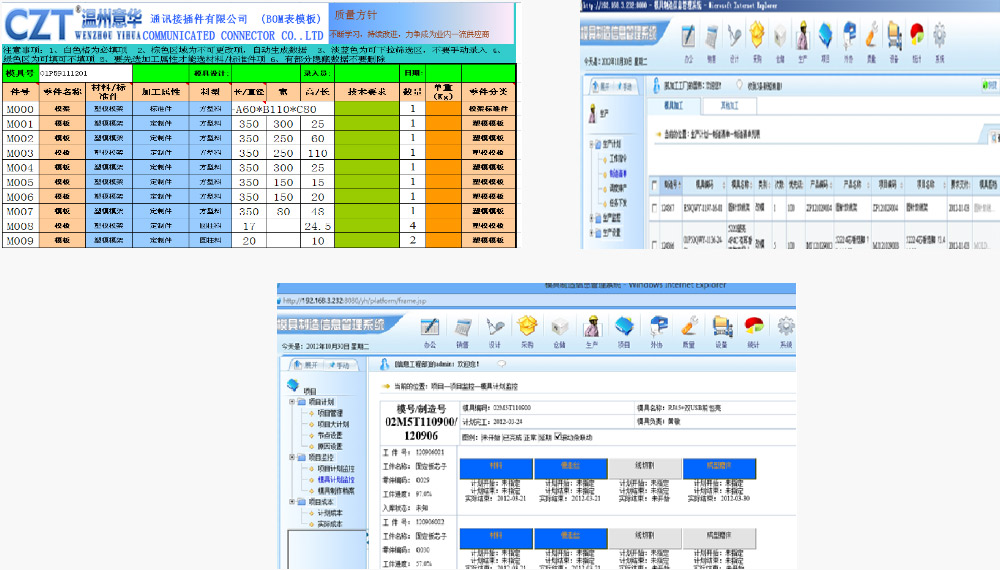
Figure 2. CZT document-management example. BOM and drawing control is relevant to submission scope; the image does not establish PPAP capability or delivered records. CZT source · Original image.
Manage gaps and approval boundaries
Identify missing evidence early and explain its effect on the submission milestone. A sample shipment, uploaded package and approved submission are different states. Keep them separate in the schedule and release record.
For example, a package can contain dimensional results while a required material record remains outstanding. Do not mark the package complete because the physical samples have arrived. Record the gap and obtain the customer's direction through the applicable process.
Confirm the document language, file format and submission route early. These practical details should support the agreed evidence package without becoming a reason to overlook missing technical records at the approval milestone.
After a change in part, process or manufacturing source, review whether notification or renewed submission is required under the applicable requirements. Do not rely on the previous commercial part name alone. Retain the agreed scope, indexed evidence and customer disposition together so that production release is based on an actual approval record rather than a broad supplier claim.
Connect this review to CZT product information
Start with the relevant CZT product family and provide the original interface reference or controlled drawing. Ask which configurations and supporting documents are available for the task described here. Confirm the mating arrangement, required features and project conditions before choosing an orderable part.
Browse the relevant product family · View catalog resources
Discuss a drawing, sample or quotation
Share the part or family reference, current drawing revision, operating conditions and quantities. Include the specific checks described in this article so the inquiry identifies both the component and the evidence needed for your decision. Confirm sample availability and the proposed scope with the supplier.
Request a technical review or quotation
For broader context, read the related selection guide.