A connector sample-approval form should record fit, electrical operation and environmental verification as separate conclusions. A sample that mounts correctly has passed a mechanical observation, not every requirement for production release. State the tested configuration, evidence and remaining actions so that approval has a clear scope.

Figure 1. CZT qualification-area diagram. Separate electrical, mechanical and environmental approval scopes on the sample record before release. CZT source · Original image.
Identify the sample and intended use
Record the exact supplier part, sample identity and confirmed drawing revision. Include the mating component and installed equipment revision. State whether the sample is intended for an early fit check, functional prototype, pilot run or production qualification.
CZT's USB Type-C connector family provides catalog references such as 10317016B001 USB TYPE C F. Its name does not establish the result of any sample test. The approval form must reference the specimens and documents actually examined.
Define acceptance before evaluation
List the requirements and methods for the planned stage. Identify the source of each limit, such as a controlled drawing, equipment requirement or agreed qualification plan. Do not choose an acceptance limit after seeing the measurement.
Include relevant operating and assembly conditions. A bench functional check and an installed enclosure test answer different questions. Where the sample quantity or setup limits the conclusion, record that limitation instead of hiding it behind one overall approved checkbox.
A practical sample-approval form
| Evaluation area | Evidence reference | Result and scope |
|---|---|---|
| Identity and revision | Sample label and supplier confirmation | Matches or clarification required |
| Mechanical fit | Dimensions and installed photographs | Tested assembly and exceptions |
| Electrical function | Circuit, operating mode and results | Functions and conditions covered |
| Environmental or durability | Approved plan and report | Completed, failed or not yet tested |
| Documentation | Drawing, materials and required records | Complete or listed gaps |
| Final decision | Responsible reviewer and date | Approved use, restrictions and next actions |
Copy the rows into a controlled record and add the specific characteristics needed for the product. This table is a usable starting structure, not a pre-approved industry form.

Figure 2. CZT mating-force test equipment. A test-equipment photograph illustrates one possible evidence category, not approval of the supplied connector. CZT source · Original image.
Close actions without erasing history
Give each unresolved issue an owner, required evidence and decision point. If a sample is accepted for prototype use while qualification remains open, label that scope explicitly. Purchasing should not interpret the limited approval as permission to release unrestricted production.
Consider a hypothetical connector that fits and operates at the bench but has not completed the required temperature test. The accurate record is successful fit and bench operation, with temperature verification pending. A single overall pass would conceal a material decision still outstanding.
Make the approval status visible wherever the sample is stored. A retained prototype marked only with a part number can otherwise be mistaken for the production reference by a later reviewer.
When the supplier changes the part, review the differences against the approved sample and its evidence. Keep previous results attached to their original revision. This makes sample approval a useful engineering gate and gives production a traceable basis for the exact construction it is permitted to use.
Connect this review to CZT product information
Examples for applying this worksheet are listed below. Use the identifiers to request the current drawing and confirm the configuration required by your application.
| Catalog reference | Product information | Drawing record | Reference inquiry |
|---|---|---|---|
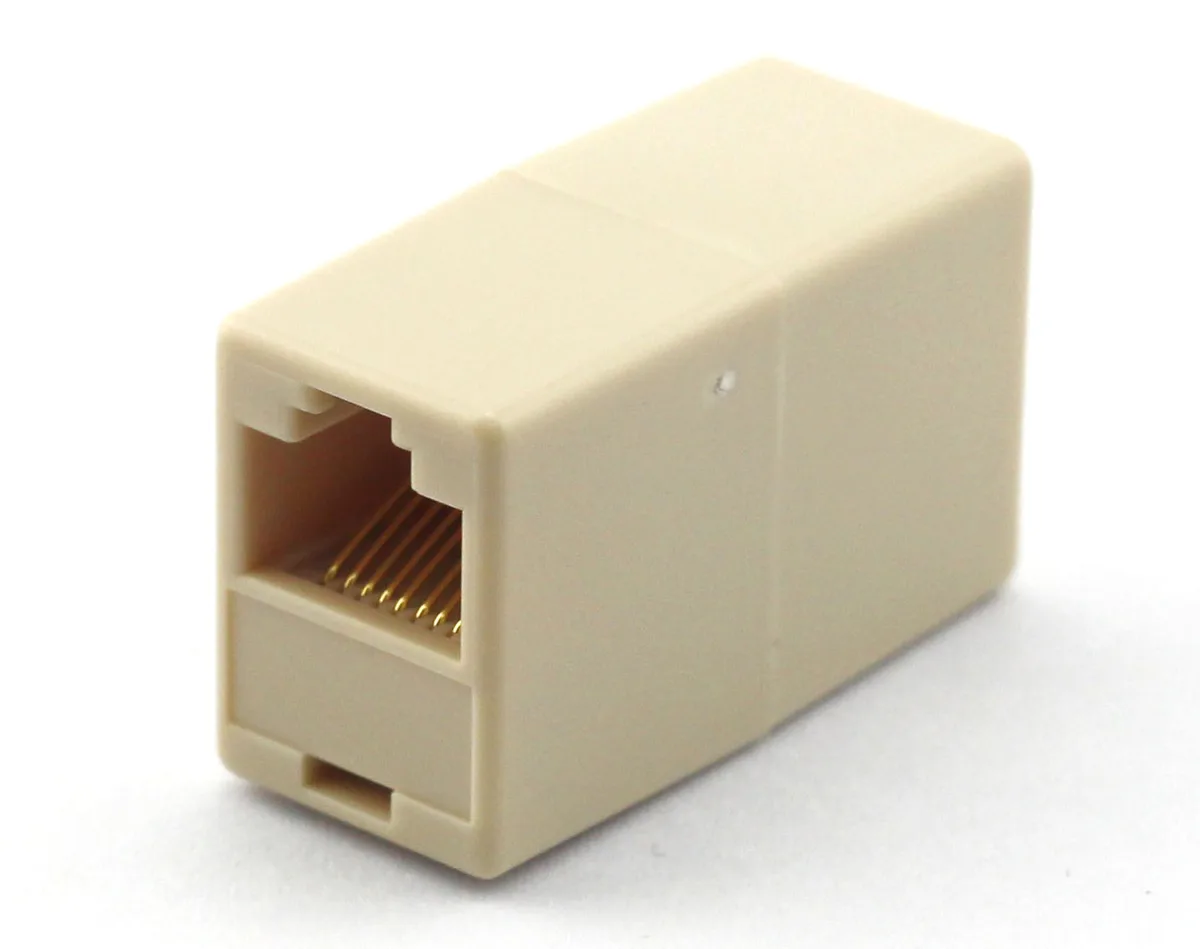
| QWY-1062-7 | 4001 Series 8-position modular socket, QWY-1062-7 | Listed PDF | Ask about this reference |
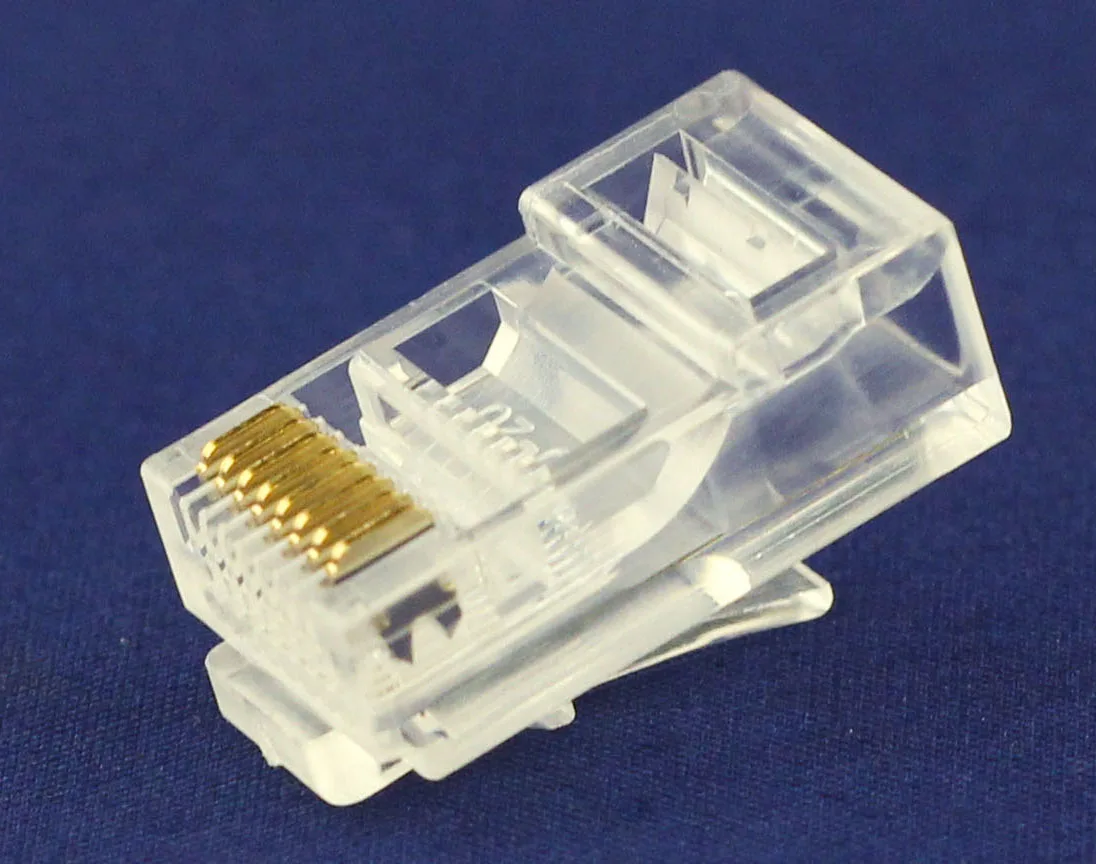
| QWY-1013-10 | 8P8C modular plug, QWY-1013-10 | Listed PDF | Ask about this reference |
A catalog drawing reference is a starting document, not a substitute for reviewing its revision, options and suitability for the complete assembly.
Browse the relevant product family · View catalog resources
Discuss a drawing, sample or quotation
Share the part or family reference, current drawing revision, operating conditions and quantities. Include the specific checks described in this article so the inquiry identifies both the component and the evidence needed for your decision. Confirm sample availability and the proposed scope with the supplier.
Request a technical review or quotation
For broader context, read the related selection guide.