A connector project schedule should be built around decisions and evidence, not only a requested delivery date. Drawing approval, sample evaluation and production release are separate gates. If the plan hides the time needed to resolve technical questions, a quoted lead time can be mistaken for an achievable project completion date.
For example, a project selecting from the RJ45 integrated-magnetics family needs its actual interface, circuit and board requirements reviewed before the candidate becomes an approved production part. The family listing identifies a search area; it does not establish sample availability or a committed schedule.

Figure 1. CZT development-flow diagram. The published workflow supports scheduling around defined inputs, technical evidence and customer approval gates. CZT source · Original image.
Define the starting condition
List the information required to begin meaningful supplier review: application requirements, drawings, mating references, expected quantities and the evidence needed for approval. Mark which inputs are complete and who owns the remaining questions.
Distinguish a requested date from a confirmed milestone. If the connector choice or PCB footprint is still open, identify that dependency rather than treating the drawing as frozen.
State which decisions can proceed in parallel and which require an earlier result. Enclosure tooling, for example, may depend on confirmed connector geometry even while another team prepares the electrical test plan.
Build gates with concrete exit records
Each gate needs an owner, an input and a record that demonstrates completion. A meeting held or an email sent is not necessarily evidence that the design question was resolved.
| Gate | Example exit record |
|---|---|
| Technical definition | Agreed requirements and closed clarification items |
| Drawing release | Approved model, revision and interface details |
| Sample availability | Identified samples and preparation record |
| Qualification | Results assessed against the agreed requirements |
| Production release | Approved documents and unresolved-item disposition |
Use actual supplier-confirmed timing for the applicable activities. Do not insert standard durations copied from an unrelated project or assume that a previous sample delivery predicts the current one.
Show waiting and revision loops
Record the time reserved for customer review, laboratory scheduling and correction of failed or incomplete results. Keep those activities visible rather than hiding them within a general procurement buffer.
For a hypothetical network-controller project, a sample may arrive on its promised date while a newly identified panel conflict requires a drawing revision. The sample delivery milestone is complete, but the project has not passed mechanical approval. Updating the schedule around that distinction prevents an inaccurate production commitment.
When a change occurs, identify the affected gates and whether prior results remain applicable. Avoid restarting every task automatically or carrying every approval forward without review.

Figure 2. CZT document-management example. The document-management example reinforces that the schedule depends on controlled inputs and decisions, not an assumed lead time. CZT source · Original image.
Maintain a usable commitment record
Keep requested dates, confirmed dates, assumptions and actual completions in separate fields. Link each change to its technical or commercial decision record.
The final schedule should let purchasing explain what must happen before an order can move to the next stage. It is a coordination tool rather than a universal lead-time promise. A clear gate-based plan makes delays and remaining choices visible early enough for engineering and procurement to act on them.
Connect this review to CZT product information
Examples for applying this worksheet are listed below. Use the identifiers to request the current drawing and confirm the configuration required by your application.
| Catalog reference | Product information | Drawing record | Reference inquiry |
|---|---|---|---|
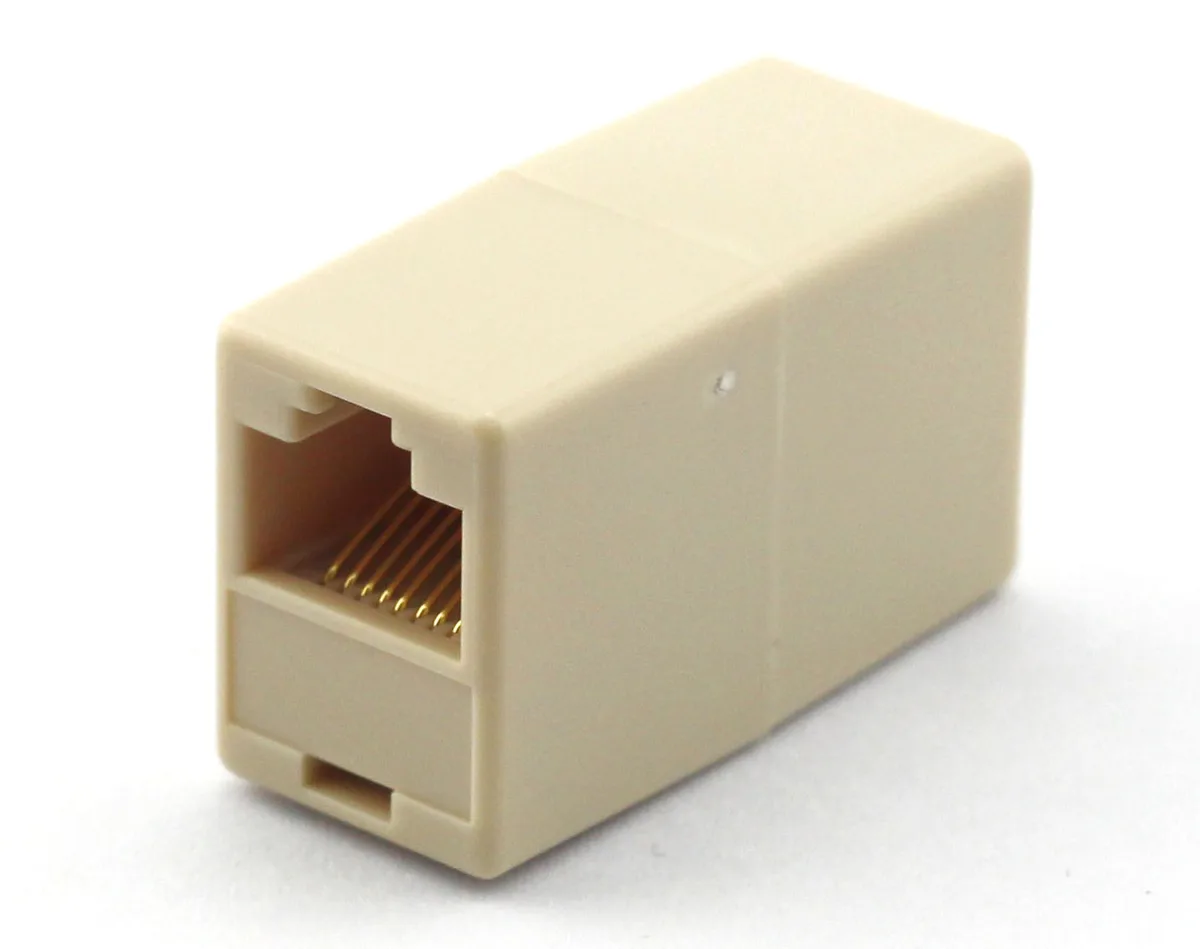
| QWY-1062-7 | 4001 Series 8-position modular socket, QWY-1062-7 | Listed PDF | Ask about this reference |
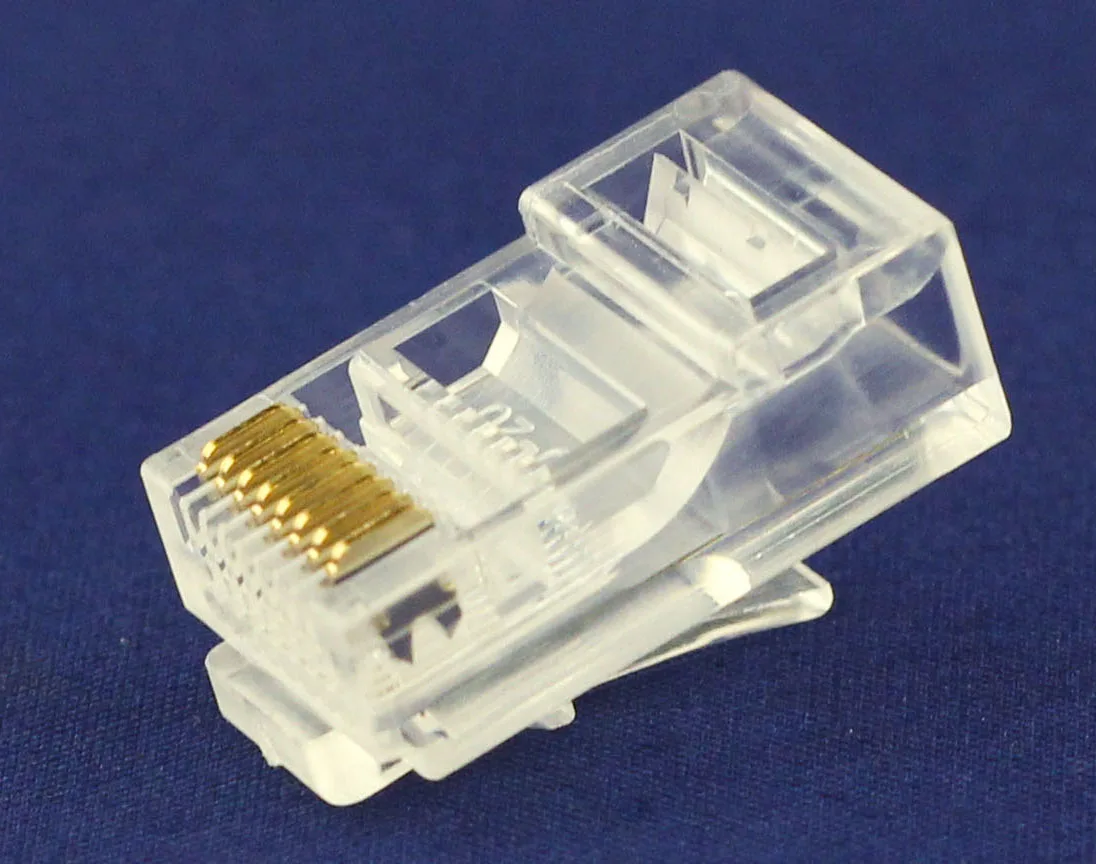
| QWY-1013-10 | 8P8C modular plug, QWY-1013-10 | Listed PDF | Ask about this reference |
A catalog drawing reference is a starting document, not a substitute for reviewing its revision, options and suitability for the complete assembly.
Browse the relevant product family · View catalog resources
Discuss a drawing, sample or quotation
Share the part or family reference, current drawing revision, operating conditions and quantities. Include the specific checks described in this article so the inquiry identifies both the component and the evidence needed for your decision. Confirm sample availability and the proposed scope with the supplier.
Request a technical review or quotation
For broader context, read the related selection guide.