Verify connector traceability by following a real shipment backward to its constituent lots and forward again to affected finished units. Asking whether a supplier has traceability is less useful than observing whether its records connect the selected parts, processes, inspection and shipment. Choose a representative lot and perform the exercise with identifiable evidence.

Figure 1. CZT document-management example. Traceability review needs a controlled connection between manufacturing documents and the actual batch. CZT source · Original image.
Start from a shipped item
Select a shipment record and its finished-part identity, revision, quantity and lot. Recover the packaging label and internal production reference. Ask how those records relate if the shipment was split across cartons or delivered in several releases.
CZT's wire-harness family includes a catalog entry for an LED Wire Harness. It can anchor an inquiry about a particular assembly. The catalog name is not evidence that its production lots are traceable; that question needs an actual record demonstration for the supplied construction.
Follow the manufacturing chain
Work backward through the assembly and inspection records. Identify which contact, housing, cable and other relevant material lots entered the selected production batch. Include outsourced processing and any approved rework or substitution.
Then reverse the exercise. Choose one constituent lot from the records and determine which finished batches received it. This tests containment capability, not merely the ability to retrieve a purchase order for a finished shipment.
Questions for a traceability demonstration
| Record boundary | Question to ask |
|---|---|
| Shipment to production | Which finished lot and revision were delivered? |
| Production to materials | Which constituent lots were consumed? |
| Process to inspection | Which operations and results belong to that batch? |
| Rework to disposition | What changed and who authorized release? |
| Split or merged lots | How were identities preserved and quantities reconciled? |
| Material to shipments | Which finished units could contain the selected lot? |
Request record identifiers and a visible path between them. A collection of unrelated example forms does not demonstrate that the selected shipment can actually be traced.

Figure 2. CZT harness-production area. A production-area image gives physical process context, without claiming that a visible or complete batch genealogy has been demonstrated. CZT source · Original image.
Examine gaps and practical limits
Record where the link stops, which information is unavailable and what scope can still be established. A missing individual-unit record may be acceptable for one agreed lot-based system and inadequate for another application. Evaluate the actual customer requirement rather than declaring every system must be serialized.
Consider a hypothetical batch split between two production orders. If the original lot label stays on only one container, the second order can lose its material association. A controlled split record and relabeling method address that specific gap.
Time the demonstration and record which links required manual reconstruction. That observation helps distinguish readily available production traceability from an ad hoc investigation assembled from several unconnected systems.
Agree corrective actions and repeat the demonstration where needed. Preserve the selected examples and any access restrictions without copying more supplier data than the review requires. The outcome should state the traceability level demonstrated and unresolved boundaries, giving quality teams a concrete basis for containment planning instead of a general assurance.
Connect this review to CZT product information
Examples for applying this worksheet are listed below. Use the identifiers to request the current drawing and confirm the configuration required by your application.
| Catalog reference | Product information | Drawing record | Reference inquiry |
|---|---|---|---|
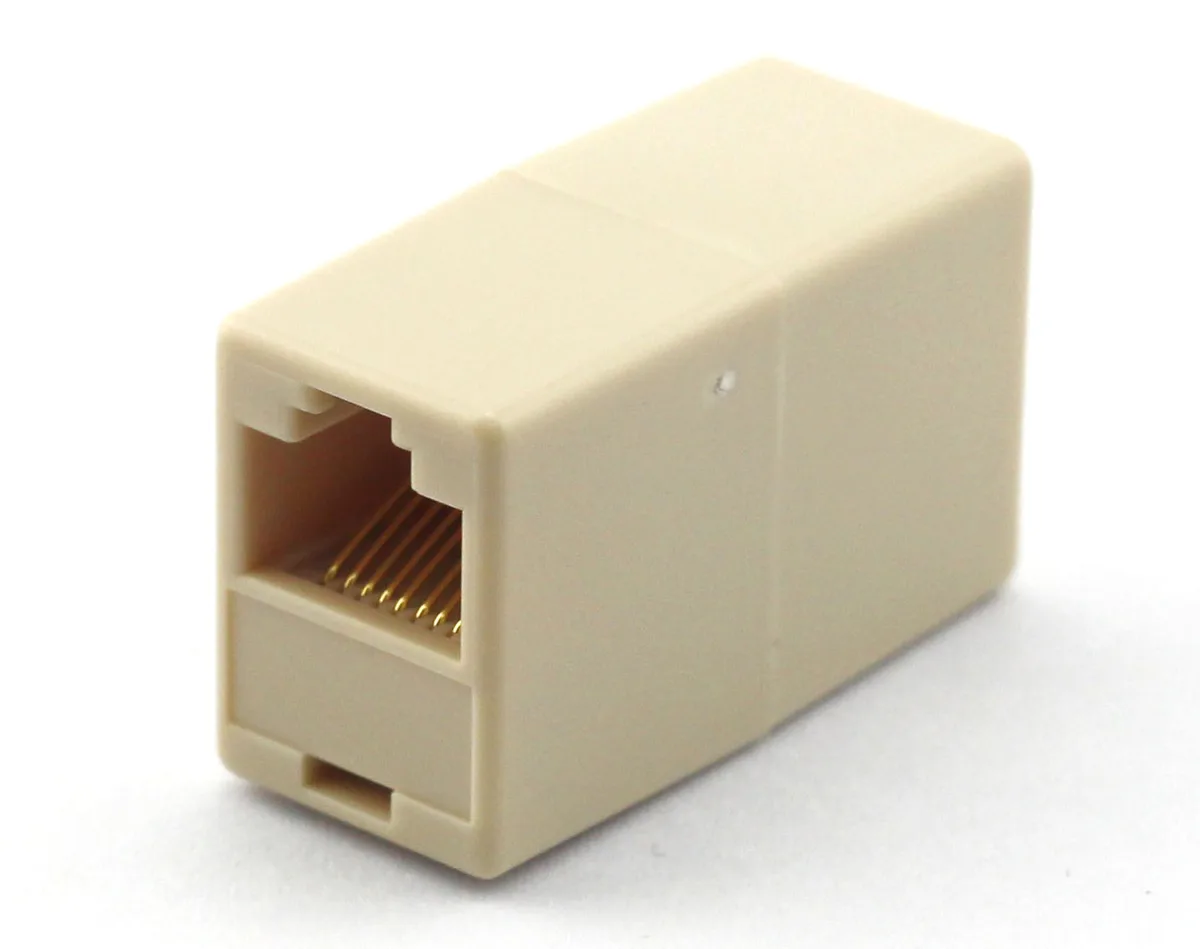
| QWY-1062-7 | 4001 Series 8-position modular socket, QWY-1062-7 | Listed PDF | Ask about this reference |
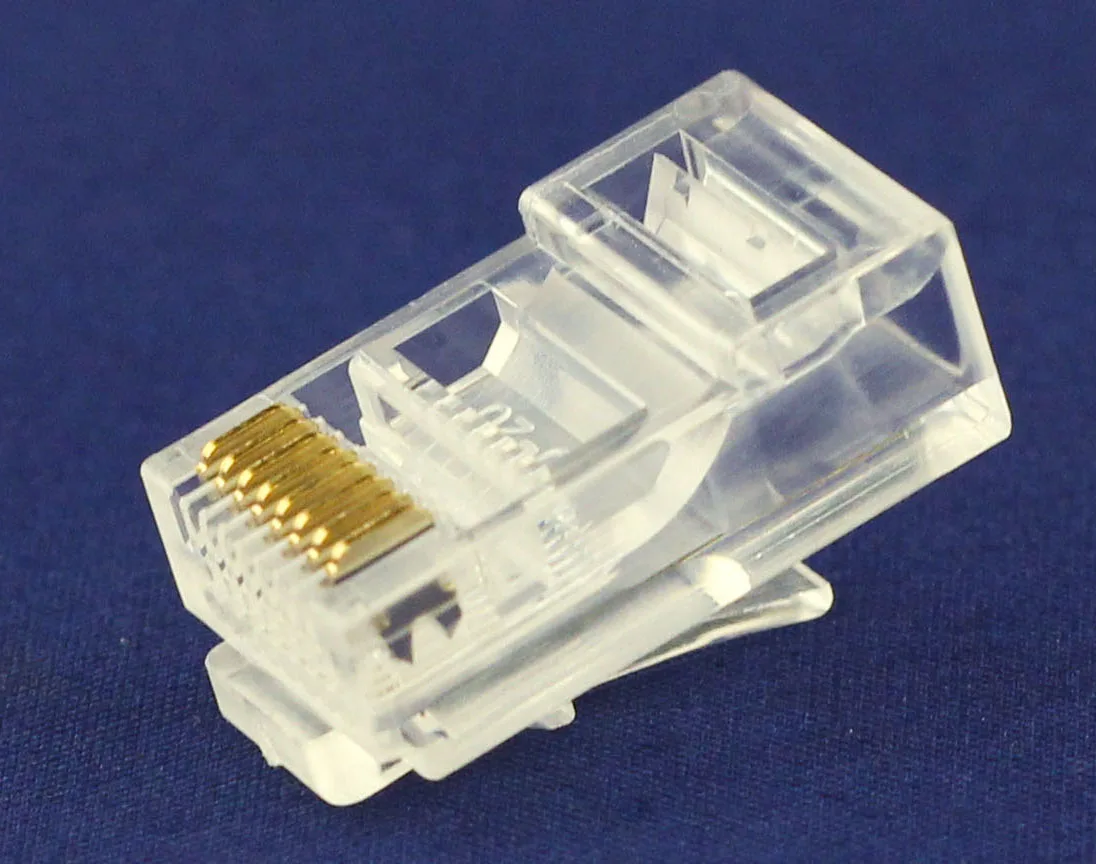
| QWY-1013-10 | 8P8C modular plug, QWY-1013-10 | Listed PDF | Ask about this reference |
A catalog drawing reference is a starting document, not a substitute for reviewing its revision, options and suitability for the complete assembly.
Browse the relevant product family · View catalog resources
Discuss a drawing, sample or quotation
Share the part or family reference, current drawing revision, operating conditions and quantities. Include the specific checks described in this article so the inquiry identifies both the component and the evidence needed for your decision. Confirm sample availability and the proposed scope with the supplier.
Request a technical review or quotation
For broader context, read the related selection guide.