Connector capacity should be evaluated through the manufacturing route that will serve the order. A factory-wide monthly number may include unrelated products, unavailable tooling or output already committed elsewhere. The useful evidence connects your demand to the relevant processes and their actual constraints.
A connector in the RJ45 integrated-magnetics family, for example, can require several component and assembly operations. Confirm the route with the supplier rather than assuming every operation is performed in-house. Molex publishes its own supplier-requirements framework; its requirements illustrate a customer-specific system, not an obligation that automatically applies to another supplier.
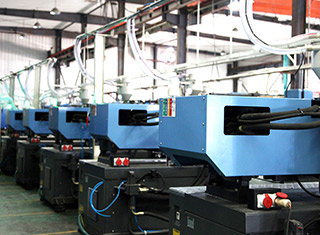
Figure 1. CZT injection-molding workshop. Capacity review should identify the actual process and available resources; the photo does not prove current machine count or output. CZT source · Original image.
Establish the demand scenario
Provide a forecast with order timing, peak requirements and the intended ramp. Distinguish forecast planning from committed orders. State the product variants because different versions may use different tools or share a constrained operation.
Identify the actual manufacturing route for the proposed item. Ask which operations are internal, outsourced or dependent on purchased subassemblies. Include testing and inspection if they can limit released output.
Do not treat installed equipment count as available capacity. A machine may require specific tooling, maintenance, operators or another preceding operation before it contributes to the project.
Review the limiting operations
For each relevant step, examine the evidence behind the supplier's estimate. Useful records can include observed output, operating time, yield, changeovers and allocation to other work. Confirm what the numbers include.
| Process question | Evidence to seek |
|---|---|
| Which resource makes this item? | Identified equipment and tooling route |
| What output is demonstrated? | Recorded run conditions and conforming quantity |
| What time is available? | Planned operating time and allocation |
| What reduces usable output? | Yield, downtime and changeover records |
| What depends on another source? | Subsupplier route and confirmed constraints |
Use a coherent time period and unit when comparing records. Pieces produced, pieces inspected and pieces accepted are different quantities.
Examine peaks and recovery
For a hypothetical controller launch, the average monthly demand may fit the stated plan while the initial build requires a concentrated delivery peak. Review that peak explicitly rather than smoothing it into the annual forecast.
Discuss recovery assumptions for a relevant tool or process interruption. A backup machine is useful only if the required tooling, process approval and supporting resources make the proposed recovery credible. Record evidence and open assumptions separately.
Where a capacity trial is appropriate, agree its product configuration, run conditions and acceptance method with the supplier and design owner.
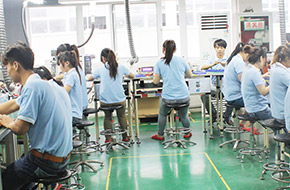
Figure 2. CZT assembly workstations. A different production stage illustrates why factory-wide capacity claims must be checked at process level. CZT source · Original image.
Tie the decision to the project
Document the demonstrated output, planned allocation and unverified assumptions behind the capacity conclusion. Avoid converting one trial into a permanent unlimited capacity guarantee.
Review the conclusion when demand, variant mix or manufacturing route changes. This process-level record gives purchasing a clearer basis for schedule and source decisions than a broad claim about factory scale, while leaving supplier-specific commercial commitments to the agreement actually reached.
Connect this review to CZT product information
Start with the relevant CZT product family and provide the original interface reference or controlled drawing. Ask which configurations and supporting documents are available for the task described here. Confirm the mating arrangement, required features and project conditions before choosing an orderable part.
Browse the relevant product family · View catalog resources
Discuss a drawing, sample or quotation
Share the part or family reference, current drawing revision, operating conditions and quantities. Include the specific checks described in this article so the inquiry identifies both the component and the evidence needed for your decision. Confirm sample availability and the proposed scope with the supplier.
Request a technical review or quotation
For broader context, read the related selection guide.