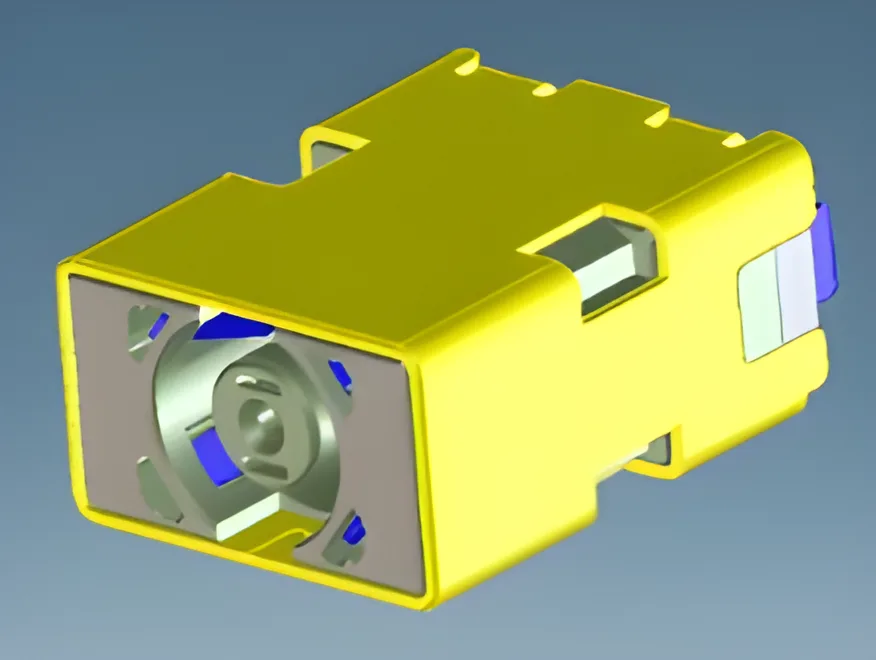
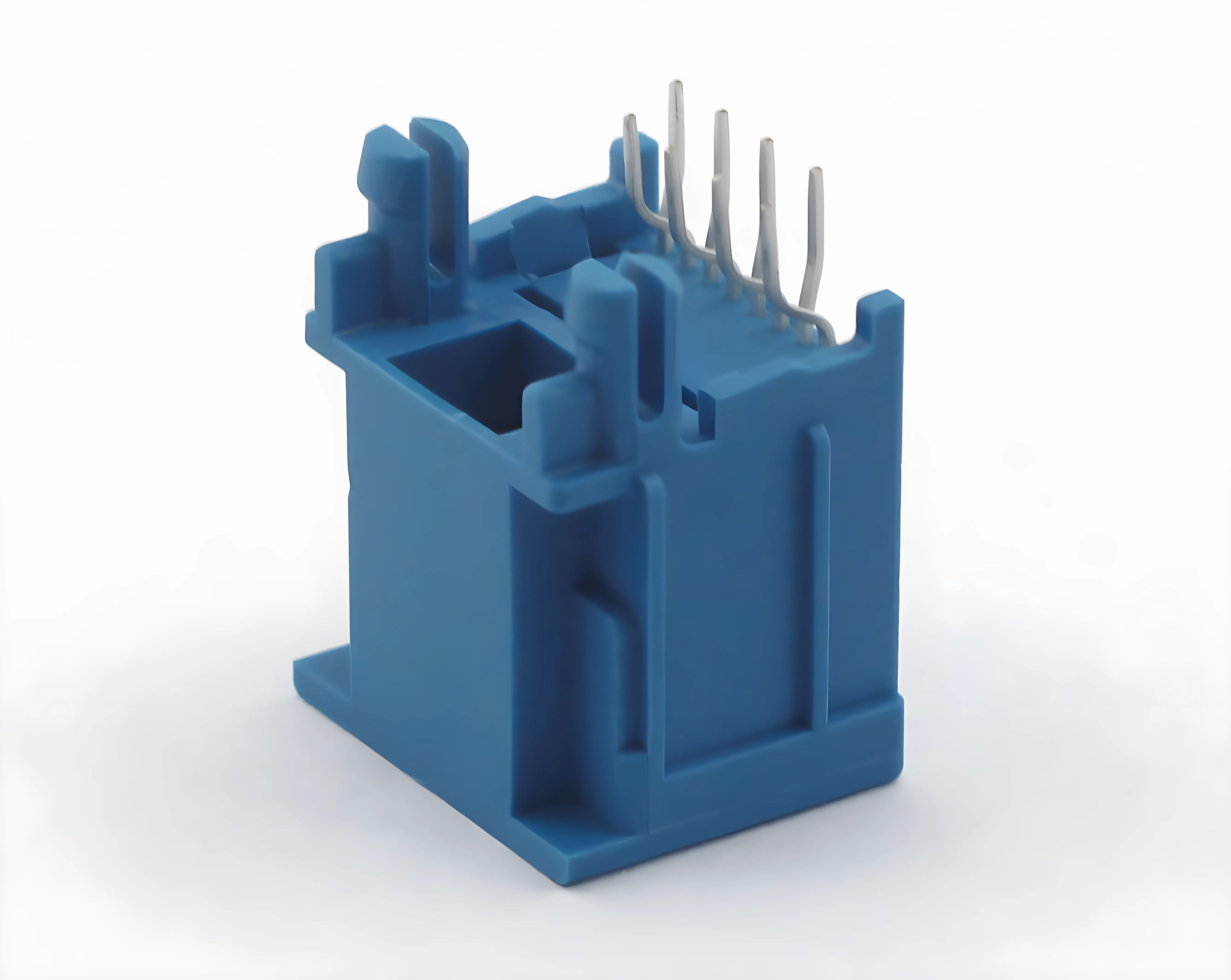
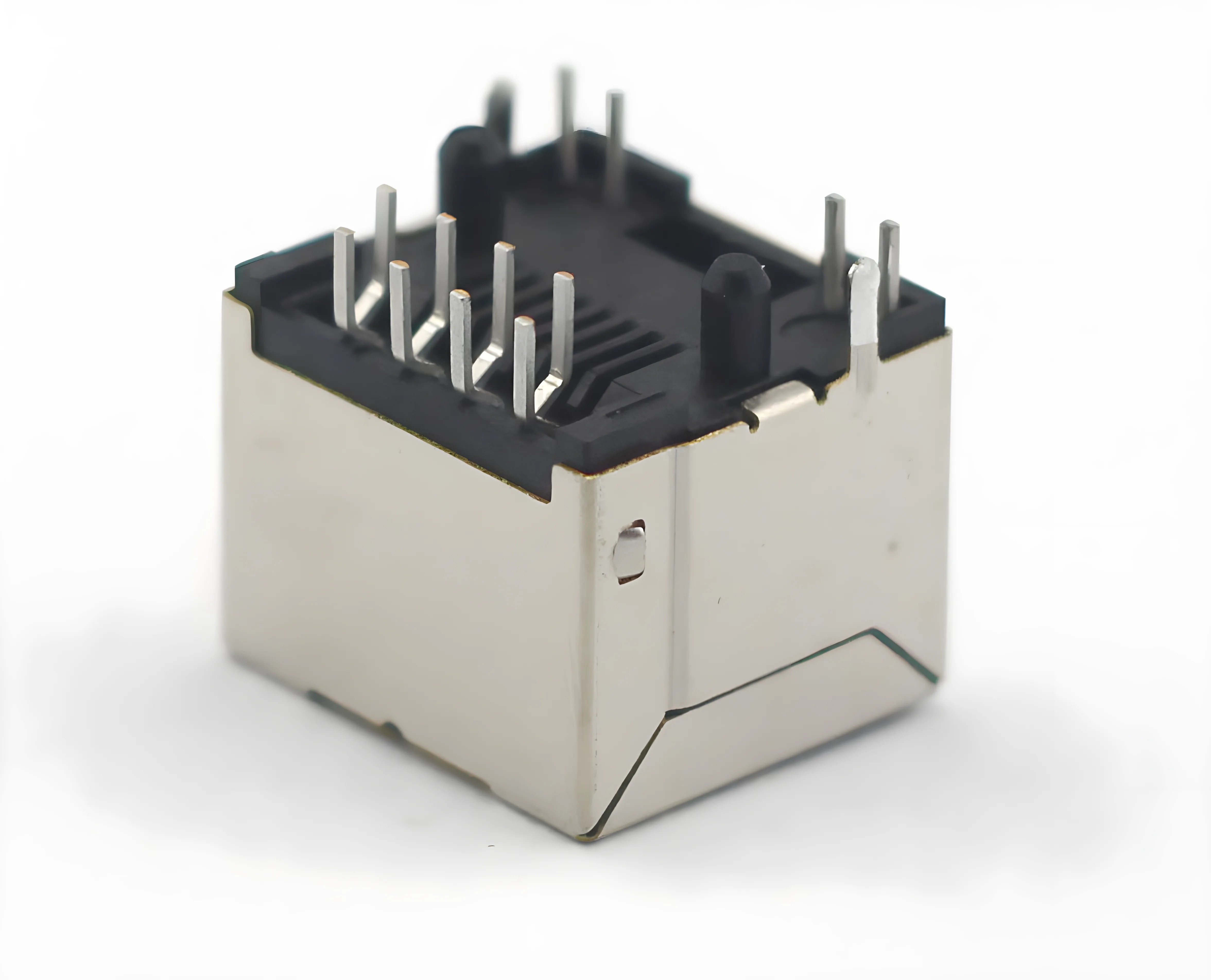
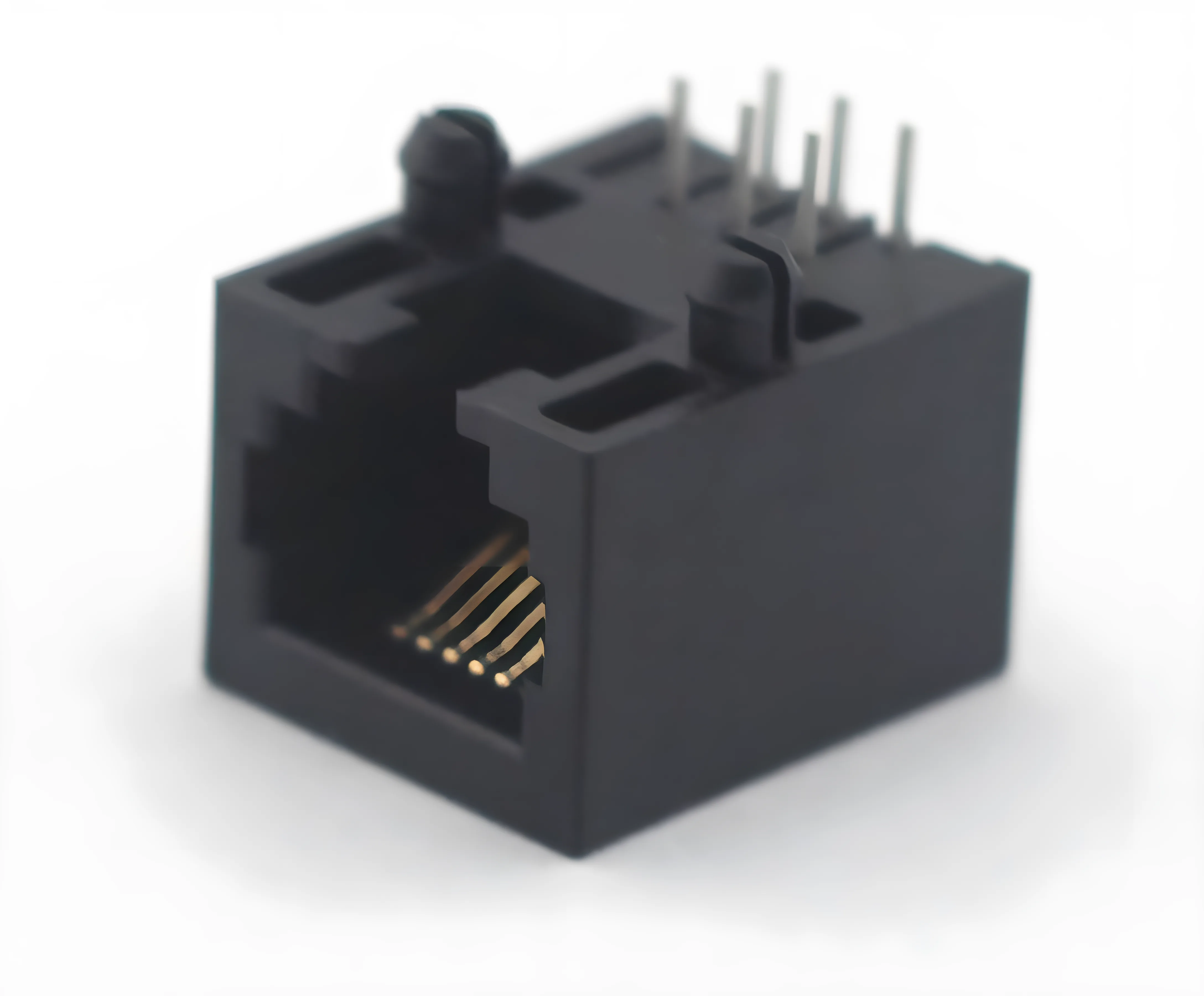
An energy storage system does not use one connector type. A complete ESS cabinet or battery rack may include high-current busbars, high-voltage DC connectors, single-core battery connectors, waterproof RJ45 or USB signal connectors, and multi-pin BMS collection connectors.
This guide maps the major ESS connector families by system layer so engineers and sourcing teams can build a cleaner BOM before RFQ.
Quick Answer
Separate the connector request by system layer:
| ESS layer | Connector direction | Main selection checks |
|---|---|---|
| Battery module / rack power | Busbar, laminated busbar, single-core power connector | Current, voltage, insulation, plating, keying |
| DC power path | 1000V or 1500V DC connector | Current, IP rating, cable size, mating interface |
| PCS communication | Waterproof RJ45 or USB2.0-A connector | IP rating, locking, panel mount, cable assembly |
| BMS collection | Multi-pin low-voltage connector | Pin count, per-pin current, voltage, locking, reliability |
| Outdoor cabinet interface | Waterproof power and signal connectors | IP rating, UV exposure, sealing, serviceability |
Do not combine all of these into one vague "energy storage connector" request. The fastest path is to define the system layer first.
ESS Power Path Connectors
Power connectors in ESS applications must handle high voltage, high current, heat rise, and safe mating. Depending on the cabinet architecture, the power path may use rigid copper busbars, laminated busbars, flexible busbars, single-core connectors, or high-voltage DC connectors.
Important checks include:
- Voltage rating, such as 1000V or 1500V DC
- Current rating, such as 60A, 80A, 90A, or 120A connector families
- Contact resistance and temperature rise
- Insulation and creepage/clearance
- Mechanical keying to prevent mis-mating
- Cable size and termination method
- IP rating if the interface is exposed
For household or cabinet-level storage, single-core connectors may include rotation and anti-misplug keys. Color coding, such as orange or black, can also support service and safety workflows.
Busbars in ESS
Busbars distribute current inside battery modules, racks, inverters, and power conversion systems. They can be copper, aluminum, laminated, flexible, insulated, plated, or overmolded.
Use busbars when the application needs:
- Lower resistance than cable bundles
- Compact high-current routing
- Repeatable assembly geometry
- Easier inspection
- Lower inductance in power electronics
- Battery module interconnection
For more background, see our busbar types guide and busbar vs cable guide.
PCS Signal Interfaces
Energy storage cabinets often need communication and control interfaces for the power conversion system. These are not high-current connectors. They are signal connectors that need environmental protection and stable field service.
Common directions include:
- Threaded RJ45 waterproof connector
- Threaded USB2.0-A waterproof connector
- 2-point-lock USB2.0-A waterproof connector
- ESS RJ45 waterproof connector
Selection checks include IP rating, panel thickness, locking method, cable gland, shielding, and whether the cable assembly is factory-terminated.
BMS Low-Voltage Collection Connectors
BMS connectors collect voltage, temperature, and monitoring signals from battery modules. They typically have more pins and lower current than power connectors.
Typical review fields include:
| Field | Why it matters |
|---|---|
| Pin count | Determines how many cells or signals can be collected |
| Per-pin current | Low-voltage connectors may be rated by current per pin |
| Voltage rating | Must match the BMS collection architecture |
| Locking | Prevents accidental disconnect under vibration or service |
| Orientation | Horizontal PCB and wire-end versions may both be needed |
| Standard reference | Some programs reference automotive-style test expectations |
Example families may include 2/4/6/8-pin low-voltage connectors and larger 12-40-pin collection connector families. The exact choice depends on BMS architecture and module layout.
Waterproof RJ45 in ESS
RJ45 is common for Ethernet communication, but a standard indoor jack is not suitable for every energy storage cabinet. Outdoor ESS equipment may need a waterproof RJ45 interface with protected housing, locking, and cable sealing.
Use waterproof RJ45 when:
- The interface is exposed to outdoor conditions
- The cabinet door or service panel includes Ethernet access
- PCS, EMS, or monitoring systems require protected network communication
- IP67 or similar sealing is required at the panel interface
RFQ Checklist
For a complete ESS connector request, prepare:
- System layer: power, signal, BMS, cabinet interface, or busbar.
- Voltage rating.
- Current rating or per-pin current.
- Pin count for signal or BMS connectors.
- Cable size or PCB interface.
- Waterproof requirement and target IP rating.
- Keying or anti-misplug requirement.
- Color coding requirement.
- Operating temperature.
- Certification or test standard target.
- Annual volume and sample timing.
Summary
ESS connector selection becomes much easier when the BOM is separated by function. Power connectors and busbars carry current. Waterproof RJ45 and USB connectors carry communication. BMS connectors collect monitoring signals.
Once the system layer is clear, voltage, current, pin count, cable size, IP rating, and keying requirements can be narrowed quickly.
CZT supports busbars, energy storage connectors, waterproof RJ45/USB interfaces, and BMS connector families for battery storage programs. View Busbar & Energy Storage products or request an ESS connector quote.