Unstable fiber insertion loss after cleaning calls for a controlled measurement investigation, not repeated cleaning without a record. Separate end-face condition, mating repeatability and reference-system stability. Preserve photographs and readings so that an apparent improvement or deterioration can be connected to a specific change.
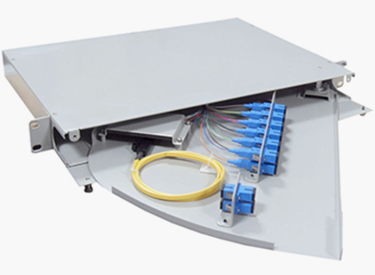
Figure 1. Official distribution-unit illustration provides a multi-interface troubleshooting context; no end-face defect, cleaning result or measured optical loss is depicted. CZT source · Original image.
Establish a stable measurement baseline
Record the instrument, wavelength, reference arrangement and identified test leads. Check the reference system using the equipment manufacturer's procedure before judging the sample. A changed reference lead or connector can move the baseline and make the same specimen appear different.
The FOA's insertion-loss measurement explanation describes the importance of the initial reference. Use the applicable method for the actual connectors and equipment; do not change reference arrangements midway through a comparison without documenting the change.
Inspect before and after intervention
Capture suitable end-face images for both sides of the mating interface. Record whether the inspection method and tip are appropriate to the connector construction. Inspect the reference leads as well as the sample.
Fluke Networks' fiber inspection and cleaning guidance emphasizes inspecting interfaces rather than assuming a new or previously cleaned end face is clean. A repeat cleaning action should have a reason and a recorded observation, not simply be repeated until a favorable number appears.
Use a controlled substitution checklist
| Step | Keep constant | Change deliberately |
|---|---|---|
| Reference check | Instrument and method | Verified reference connection as prescribed |
| Remating trial | Same sample and setup | Documented disconnect and reconnect |
| Adapter check | Sample and reference leads | Identified comparison adapter |
| Lead check | Sample and method | Identified comparison test lead |
| Sample comparison | Verified measurement setup | Known comparison specimen |
Save the sequence and every result. Without the order, a later reviewer cannot tell which intervention preceded a changed reading.
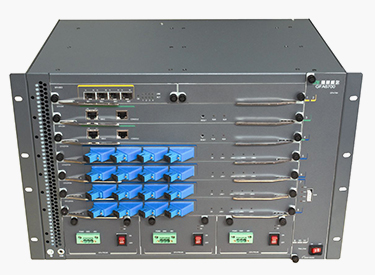
Figure 2. Official optical-equipment illustration helps distinguish the full link from one connector under investigation; actual measurements and end-face images require separate evidence. CZT source · Original image.
Distinguish damage from measurement variation
If loss remains unstable after the measurement system is controlled, examine seating, cable loading, adapter condition and possible end-face defects. Do not identify a scratch or contamination as the cause solely because it is visible; connect it to the measured behavior and appropriate inspection criteria.
CZT's fiber-optic product family provides an interface-consultation route. Its identified SC-to-FC assembly is not a general replacement for the LC, MPO or unspecified interface under investigation.
Mark reference-lead disconnections in the measurement log. An unnoticed reconnection can create a new baseline while the operator believes only the sample changed. If this occurs, restore or establish the reference using the prescribed method and preserve the affected readings as a separate sequence rather than blending them into one repeatability set.
A useful report preserves the original readings, images, controlled substitutions and final conclusion. If the evidence only establishes poor repeatability without a confirmed mechanism, retain that distinction. This prevents the most favorable repeated reading from becoming an unsupported acceptance result and makes any requested replacement or further laboratory analysis more specific.
Connect this review to CZT product information
For LC, MPO, polish or polarity requirements, start with the fiber-optic product family. The available SC-to-FC assembly record is a different interface and is not presented here as a matching LC or MPO part. Ask CZT to confirm the exact configuration and available documentation.
Browse the relevant product family · View catalog resources
Discuss a drawing, sample or quotation
Share the part or family reference, current drawing revision, operating conditions and quantities. Include the specific checks described in this article so the inquiry identifies both the component and the evidence needed for your decision. Confirm sample availability and the proposed scope with the supplier.
Request a technical review or quotation
For broader context, read the related selection guide.