Read a fiber-connector batch report by checking its measurement boundary and conditions before comparing the numbers. Insertion loss and return loss describe different optical behavior, and neither is meaningful as a procurement result without a defined wavelength, reference method and specimen identity. A report should show what was measured on the parts actually delivered.
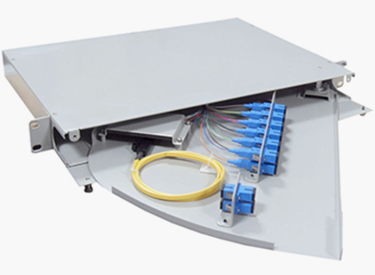
Figure 1. Official fiber distribution unit illustrates an assembly whose reported optical loss must identify which connections and fiber sections were included. CZT source · Original image.
Confirm the specimen and measurement identity
Match the report to the ordered assembly, drawing revision and lot. Determine whether results cover every delivered unit or an identified sample. A family-level example report is useful for discussing format but is not the received batch's test evidence.
EXFO's insertion- and return-loss measurement note explains reference and measurement arrangements for its platform. The wider procurement lesson is to preserve those conditions, not to assume every tester produces directly comparable results under an unspecified setup.
Check the method behind each value
Record wavelength, direction, reference arrangement, equipment and relevant preparation. Identify whether the result is for one mated connection, a cable assembly or another defined device under test. Also keep the report's terminology and sign convention clear instead of relabeling reflectance as return loss without explanation.
Ask how reference leads and interfaces were inspected and controlled. If a repeat measurement differs, the investigation should consider those parts of the setup as well as the delivered sample.
A report-comparison table
| Report item | Question to resolve |
|---|---|
| Product identity | Does it match the ordered construction and lot? |
| Optical boundary | What connections and fiber sections are included? |
| Wavelength and direction | Are they the required conditions? |
| Reference setup | How was the baseline established? |
| Equipment | Are instrument and calibration records identifiable? |
| Acceptance | Which requirement and limit were applied? |
Do not compare a typical catalog figure with a measured worst result as though they were equivalent requirements. Determine which value the procurement specification actually requires.
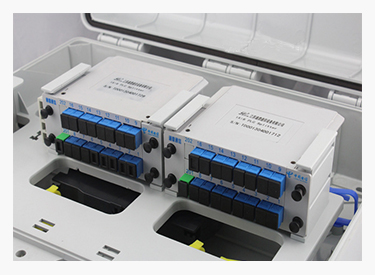
Figure 2. Official optical enclosure example provides context for batch and port identification when linking delivered assemblies to their optical test records. CZT source · Original image.
Handle discrepancies with controlled retesting
Retain the original result and investigate the cause of a difference. Reinspect end faces, confirm the reference arrangement and repeat using the agreed method. Save both data sets with an explanation rather than replacing the first result with the most favorable reading.
CZT's fiber-optic product family is a route for requesting interface and report information. The identified SC-to-FC catalog example does not prove that an LC, MPO or particular polish variant is supplied or qualified.
Ask whether any sample was cleaned, reterminated or otherwise changed before its final reported result. Those actions may be appropriate, but the record should distinguish initial acceptance, rework and subsequent retest. Otherwise, the delivered batch can appear more uniform than the actual manufacturing history supports.
The acceptance decision should state the measured construction, test method and covered lot. That gives purchasing a comparable evidence basis and gives failure analysis enough context to distinguish product variation from a changed reference or test boundary.
Connect this review to CZT product information
For LC, MPO, polish or polarity requirements, start with the fiber-optic product family. The available SC-to-FC assembly record is a different interface and is not presented here as a matching LC or MPO part. Ask CZT to confirm the exact configuration and available documentation.
Browse the relevant product family · View catalog resources
Discuss a drawing, sample or quotation
Share the part or family reference, current drawing revision, operating conditions and quantities. Include the specific checks described in this article so the inquiry identifies both the component and the evidence needed for your decision. Confirm sample availability and the proposed scope with the supplier.
Request a technical review or quotation
For broader context, read the related selection guide.