Select an industrial-temperature RJ45 ICM by reviewing its documented operating range together with electrical performance and the actual product environment. A broad temperature label does not show which characteristics were evaluated at the limits.
Candidates in the CZT integrated magnetics family need a model-specific review. The connector's location inside an enclosure can be warmer than the room or outdoor ambient used in the equipment specification.
Define the temperatures that matter
Separate operating, storage and process temperatures. A part surviving storage at a temperature does not establish that it operates there with the required electrical behavior. Soldering exposure is another distinct condition and should not be mixed into the operating-range comparison.
Identify the temperature near the connector in the intended assembly. Include relevant self-heating and neighboring heat sources when determining the evaluation cases. This connects the component requirement to the actual product rather than to a remote ambient sensor.

Figure 1. JDDD14530004 as pictured on its official manufacturer product page. CZT source · Original image.
Review all functions in the module
An ICM combines mechanical contacts, magnetic elements and possibly LEDs or other internal components. Confirm the scope of the stated range and identify any conditions attached to it.
Ask which electrical properties are specified over temperature and which values are only initial or room-condition measurements. A maximum operating range and a detailed test report answer different questions; both can be relevant to selection.
Build a qualification evidence matrix
| Evidence item | Question to resolve |
|---|---|
| Stated operating range | Which exact model and configuration does it cover? |
| Electrical requirements | Which properties apply across the range? |
| Environmental testing | What temperatures, sequence and samples were used? |
| Functional retest | Was link behavior checked in the intended configuration? |
| Mechanical condition | Were seating, housing and mating interfaces inspected? |
| Report identity | Are sample and drawing revisions traceable? |
Use the project's actual requirements to decide what is necessary. Do not demand unrelated tests merely because they appear in another industry's checklist.
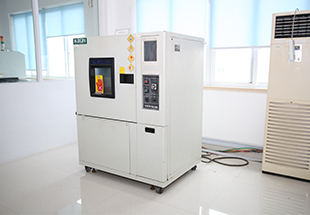
Figure 2. Temperature/humidity chamber photographed on CZT's official technical-capability page. CZT source · Original image.
Evaluate the board as well as the part
A temperature-sensitive link problem can involve the PHY, clocking, power or PCB interface in addition to the connector. Use a controlled test arrangement and preserve the board, firmware, cable and link-partner identities.
For a hypothetical gateway, a connector-area temperature might differ significantly between an open prototype and the closed enclosure. Testing only the open board would leave the production thermal condition unresolved.
Preserve the accepted configuration
The release record should state the temperature conditions evaluated, the relevant component evidence and any application restrictions. If a future design changes airflow, port loading or the connector construction, revisit that record.
This produces a selection that purchasing can defend with evidence. It avoids treating the phrase “industrial grade” as a substitute for the actual operating conditions and qualification scope.
Connect this review to CZT product information
Start with the relevant CZT product family and provide the original interface reference or controlled drawing. Ask which configurations and supporting documents are available for the task described here. Confirm the mating arrangement, required features and project conditions before choosing an orderable part.
Browse the relevant product family · View catalog resources
Discuss a drawing, sample or quotation
Share the part or family reference, current drawing revision, operating conditions and quantities. Include the specific checks described in this article so the inquiry identifies both the component and the evidence needed for your decision. Confirm sample availability and the proposed scope with the supplier.
Request a technical review or quotation
For broader context, read the related selection guide.