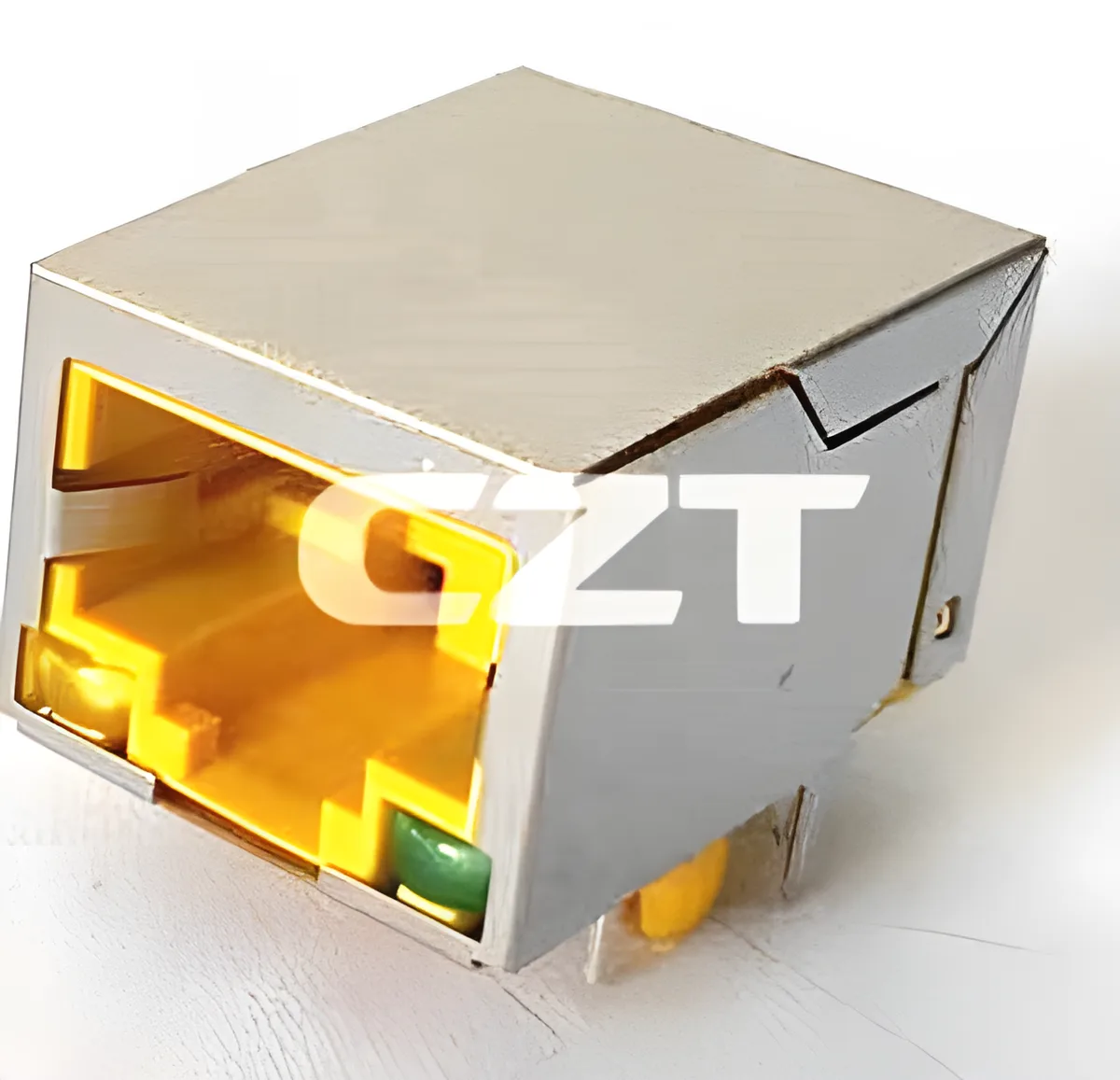
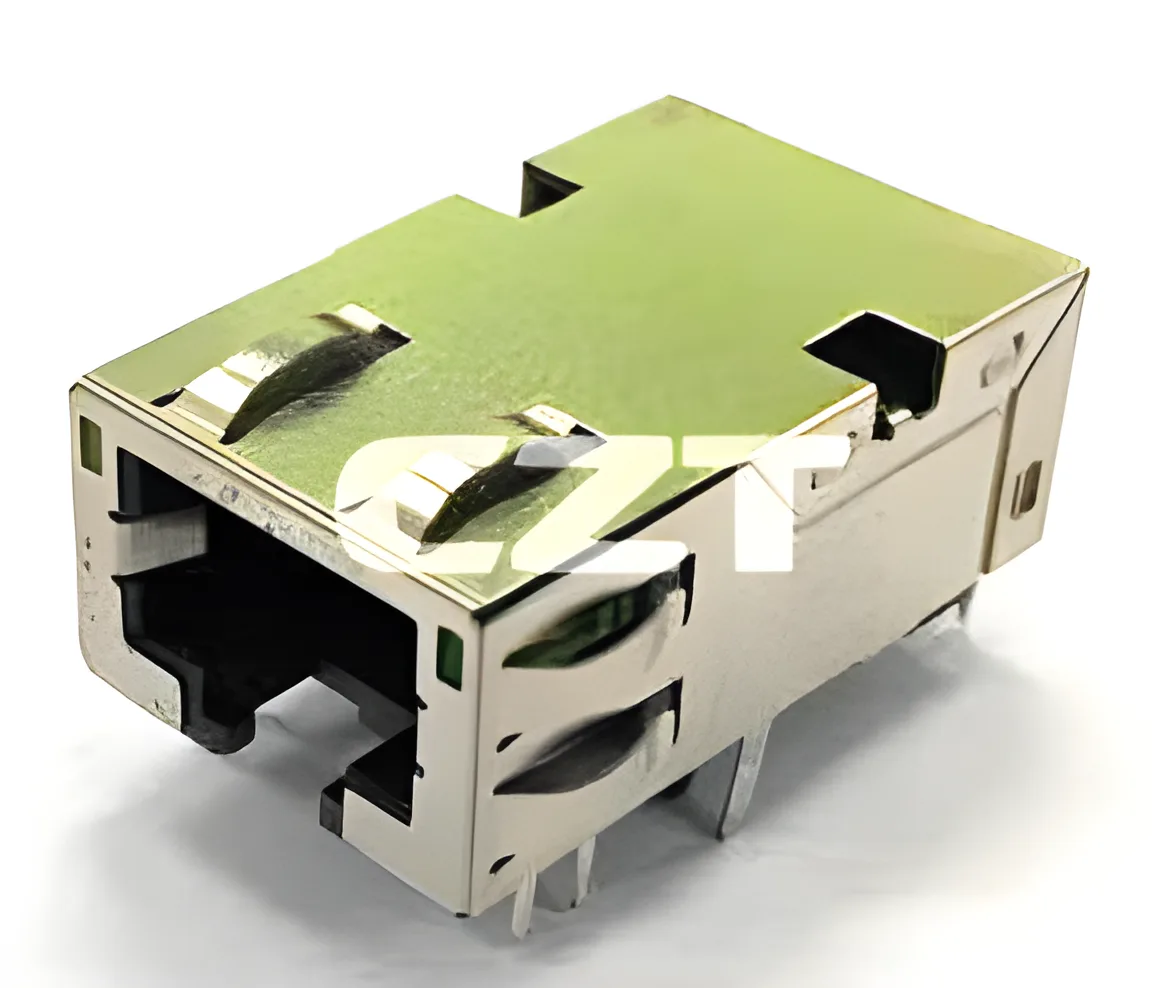
An RJ45 ICM sample qualification plan should turn application requirements into named tests, sample allocations and decision criteria. It should distinguish fit approval, electrical evaluation and system qualification instead of combining them into one sample-pass statement.
Choose identified candidates from the CZT integrated magnetics family, then build the plan around the intended board and product environment. The plan is useful before testing because it exposes missing fixtures, drawings and acceptance decisions.
Define the decision the samples must support
State whether the project is selecting a new design, approving a replacement or investigating a process change. Those objectives can require different sample distributions and evidence. Explain why the selected tests answer the decision.
List the full model, drawing revision, sample batch and intended application. If samples arrive in several variants, label them before testing so results cannot be assigned to the wrong circuit or LED option.
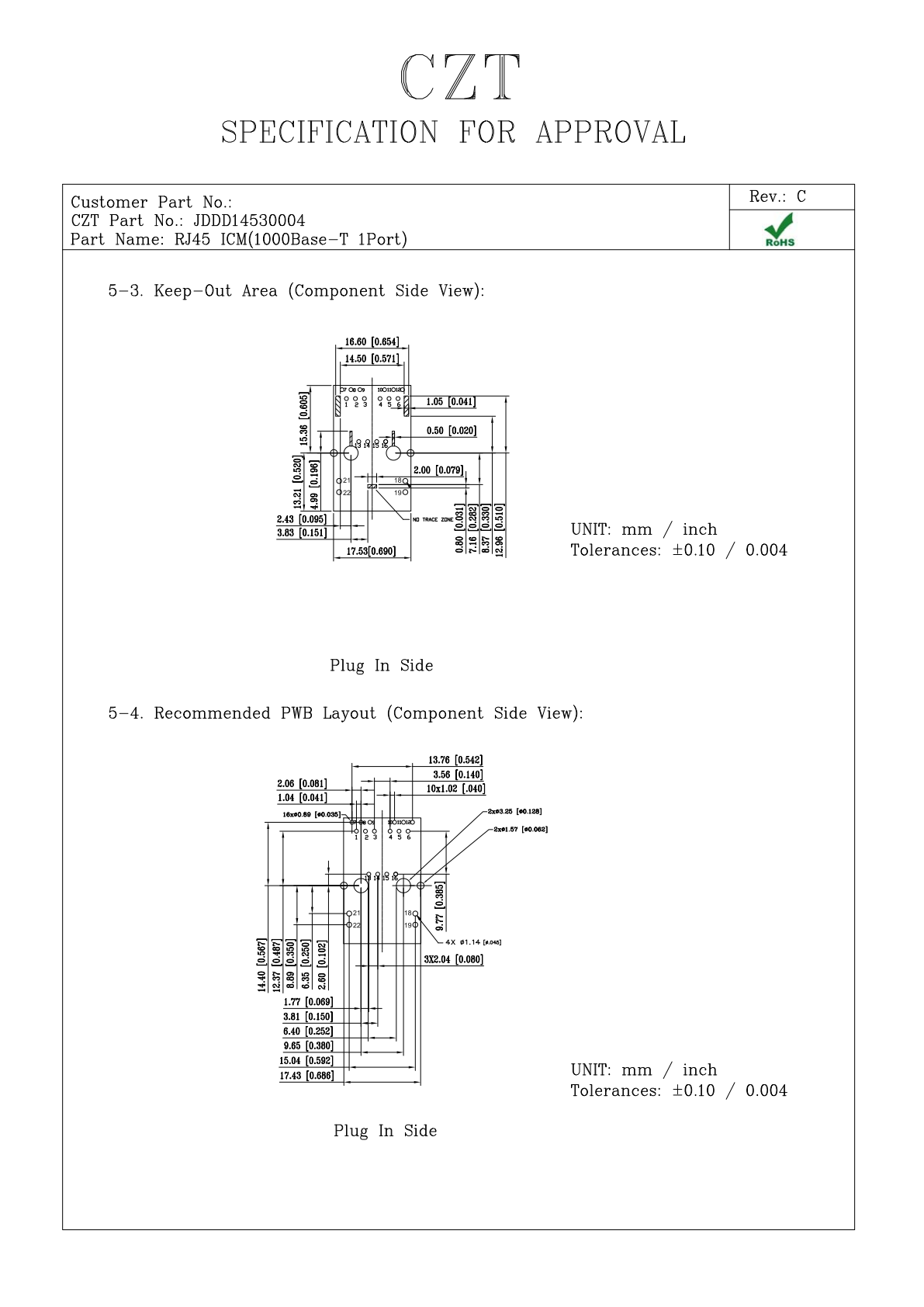
Figure 1. JDDD14530004: PCB layout and interface views from the official manufacturer specification, PDF page 5. CZT source · Original PDF, page 5.
Divide the plan into workstreams
Mechanical evaluation can cover footprint, panel fit, mating access and retention. Electrical evaluation can cover the magnetic interface and relevant component characteristics. Assembly evaluation addresses the actual soldering and inspection process. System evaluation uses the intended PHY, board and operating conditions.
These workstreams can interact, but they should retain separate conclusions. Passing a panel-fit check does not close a missing electrical requirement.
Use an executable plan table
| Field | What the plan should specify |
|---|---|
| Requirement | Controlling specification and revision |
| Test or inspection | Named method and setup boundary |
| Samples | IDs, allocation and test sequence |
| Acceptance | Quantitative or defined observational criterion |
| Resources | Equipment, fixture and responsible team |
| Record | Raw-data location and report owner |
| Decision | Pass, fail, unresolved or justified not applicable |
Set acceptance conditions before testing. Moving a limit after seeing results makes the record difficult to defend and can conceal a real design mismatch.

Figure 2. Insertion/withdrawal-force equipment shown in the manufacturer's verification gallery. CZT source · Original image.
Plan sequencing and sample history
Some evaluations alter or consume samples. Record the sequence so that an environmental exposure, solder cycle or destructive inspection does not become an undocumented precondition for a later result.
For a hypothetical qualification, one group could support assembly trials while another preserves unprocessed samples for baseline measurements. The allocation should follow the actual methods and available quantity, rather than a generic sample-count rule.
Close with evidence and open issues
When the plan is executed, link each result to its sample and configuration. Record deviations, interrupted tests and unresolved questions explicitly. Assign actions for failures instead of replacing the result with a revised summary.
The approval should state its scope: which connector variant, board configuration and conditions were accepted. That makes the record reusable for purchasing and future changes without overstating what a limited sample exercise has established.
Connect this review to CZT product information
Catalog references to discuss are listed below. Use the identifiers to request the current drawing and confirm the configuration required by your application.
| Catalog reference | Product information | Drawing record | Reference inquiry |
|---|---|---|---|
| JDGD14100001 | RJ45 ICM catalog-listed 1000BASE-T 1-port type, JDGD14100001 | Listed PDF | Ask about this reference |
| JDDD14530004 | RJ45 ICM catalog-listed 1000BASE-T 1-port type, JDDD14530004 | Listed PDF | Ask about this reference |
A catalog drawing reference is a starting document, not a substitute for reviewing its revision, options and suitability for the complete assembly.
Browse the relevant product family · View catalog resources
Discuss a drawing, sample or quotation
Share the part or family reference, current drawing revision, operating conditions and quantities. Include the specific checks described in this article so the inquiry identifies both the component and the evidence needed for your decision. Confirm sample availability and the proposed scope with the supplier.
Request a technical review or quotation
For broader context, read the related selection guide.