A useful PoE RJ45 temperature-rise test defines the current path, mechanical assembly and surrounding thermal conditions before applying load. The objective is to discover where heat develops in the actual port and whether the approved operating limits are respected.
Begin with a candidate from the CZT RJ45 magnetics family whose circuit and operating requirements have been reviewed. Link speed, PoE architecture and connector construction belong in the test record because they define the configuration being evaluated.
Describe the load rather than naming a PoE class alone
Record whether the port sources or receives power, which pairs carry current and the actual loading sequence. Include cable and mating-plug identification, conductor details and the relevant controller settings. A class label does not fully describe the current distribution through a particular module.
Define steady loading, startup and any operational mode that changes dissipation. If several configurations are possible, choose representative and limiting cases deliberately. Explain why each case belongs in the plan.

Figure 1. JDDD14530004 as pictured on its official manufacturer product page. CZT source · Original image.
Establish a reproducible thermal arrangement
Install the connector on a representative PCB with its intended nearby components. Record enclosure state, mounting orientation, airflow and ambient measurement location. An open bench assembly can cool differently from a closed product.
Place temperature sensors where they can answer specific questions: near the contact region, magnetic section, solder interface and relevant local ambient. Document attachment methods. A poorly positioned sensor can measure a convenient surface rather than the area of concern.
Create the test sheet
| Item | Entry before the test |
|---|---|
| Configuration | Connector, PCB, plug and cable revisions |
| Electrical case | Pair loading, current and operating mode |
| Thermal boundary | Enclosure, airflow and ambient location |
| Measurement | Sensor locations and instrument details |
| Endpoint | Approved steady-state definition and stop conditions |
| Acceptance | Applicable component and project limits |
Add time-stamped temperatures and electrical observations during the run. Preserve the raw record, including abnormal behavior or interruptions.
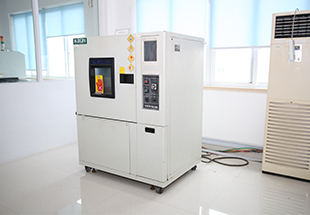
Figure 2. Temperature/humidity chamber photographed on CZT's official technical-capability page. CZT source · Original image.
Interpret rise and absolute temperature together
Temperature rise is the difference between a measured point and the defined ambient. The absolute temperature still matters because the permitted operating condition applies to the component and its materials, not only to the rise value.
For a hypothetical review, two tests could show similar rise while using different ambient temperatures. They therefore reach different absolute temperatures. They should not receive the same operating conclusion without considering the relevant limits.
Use the outcome to refine the design
If a hotspot appears, investigate contact resistance, current distribution and local cooling before changing several variables at once. Repeat the test after a controlled modification using the same setup.
The resulting report should state the evaluated configuration and its limits of use. It should not convert one successful sample or one bench arrangement into an unsupported current rating for every product in the family.
Connect this review to CZT product information
Start with the relevant CZT product family and provide the original interface reference or controlled drawing. Ask which configurations and supporting documents are available for the task described here. Confirm the mating arrangement, required features and project conditions before choosing an orderable part.
Browse the relevant product family · View catalog resources
Discuss a drawing, sample or quotation
Share the part or family reference, current drawing revision, operating conditions and quantities. Include the specific checks described in this article so the inquiry identifies both the component and the evidence needed for your decision. Confirm sample availability and the proposed scope with the supplier.
Request a technical review or quotation
For broader context, read the related selection guide.