DC resistance measurements for PoE magnetics should identify the measured winding path, temperature and method before calculating imbalance. A comparison of unlabeled resistance values can miss the very difference that affects current distribution.
For candidates in the CZT RJ45 integrated magnetics family, start with the internal circuit and pin definition. The measurement plan should show exactly which accessible terminals correspond to each result.
Distinguish the comparisons
Resistance within the two halves of a center-tapped path is a different comparison from resistance between separate pairs or pairsets. Give each quantity its own name in the worksheet. Avoid a single column called “imbalance” without a stated calculation and electrical meaning.
Use the requirements applicable to the selected PoE implementation and magnetic component. If a document gives a specific imbalance definition, preserve its formula and denominator rather than replacing it with a more convenient percentage calculation.
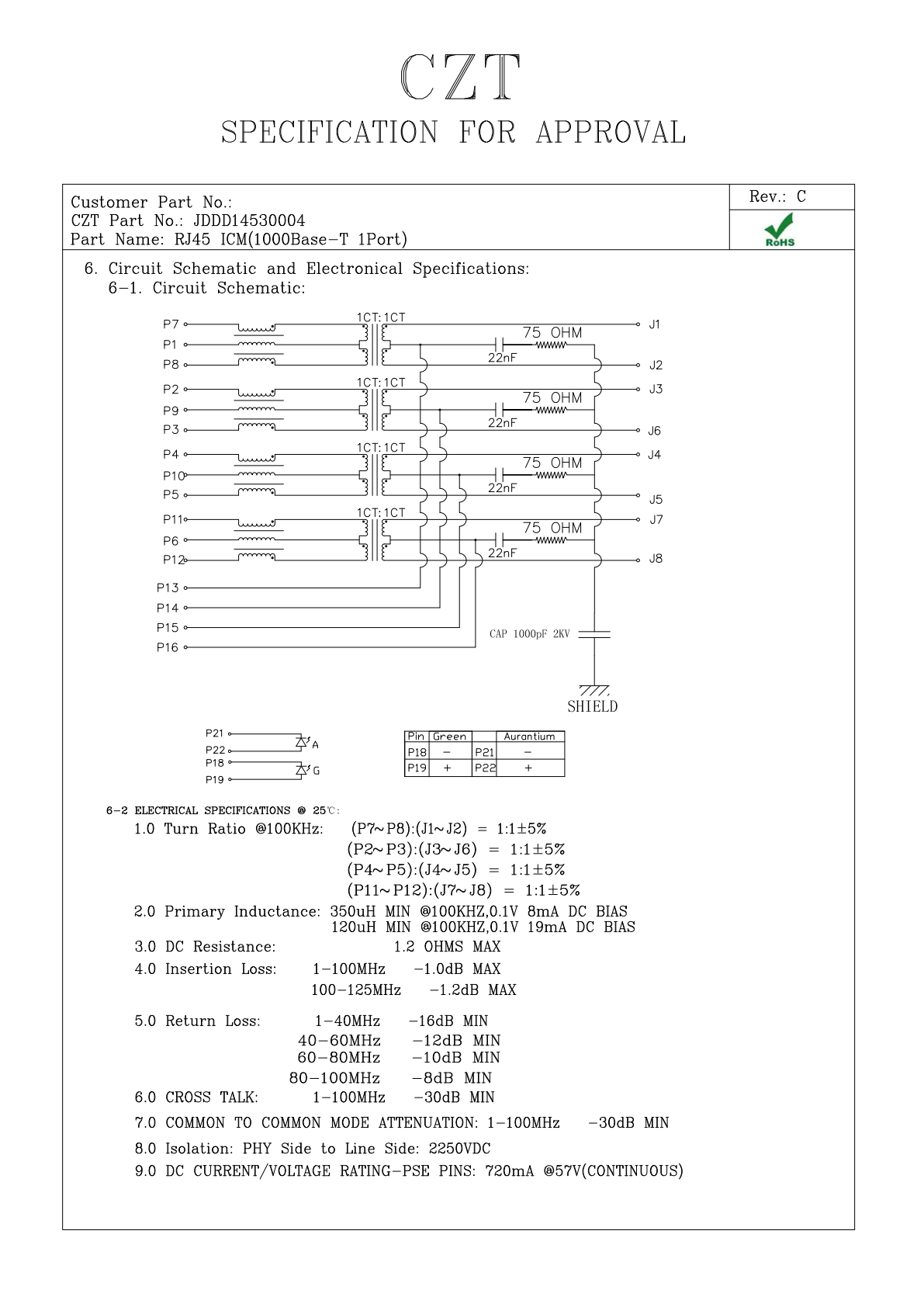
Figure 1. JDDD14530004: internal circuit and electrical specification fields from the official manufacturer specification, PDF page 6. CZT source · Original PDF, page 6.
Control the measurement conditions
Low resistance measurements are sensitive to the measurement arrangement. A four-wire method can reduce the contribution of test-lead resistance, but the sensing points still determine which conductors are included. Draw both force and sense connections on the setup sheet.
Allow samples to reach the specified temperature condition. Record the sample temperature or a clearly defined ambient condition, and keep handling consistent. Comparing a recently powered sample with a cool sample introduces a variable unrelated to manufacturing differences.
Use a path-based record
| Path identifier | Required record |
|---|---|
| Pair and half-winding | Connector pin numbers and center tap |
| Measurement boundary | Force and sense attachment points |
| Initial condition | Sample identity and temperature |
| Resistance result | Raw value, units and repeat readings |
| Comparison | Defined imbalance formula and requirement |
| Follow-up | Suspect connection or repeat-test outcome |
Measure enough repeated connections to distinguish fixture variability from repeatable sample behavior. Keep the original values rather than saving only a pass/fail result.
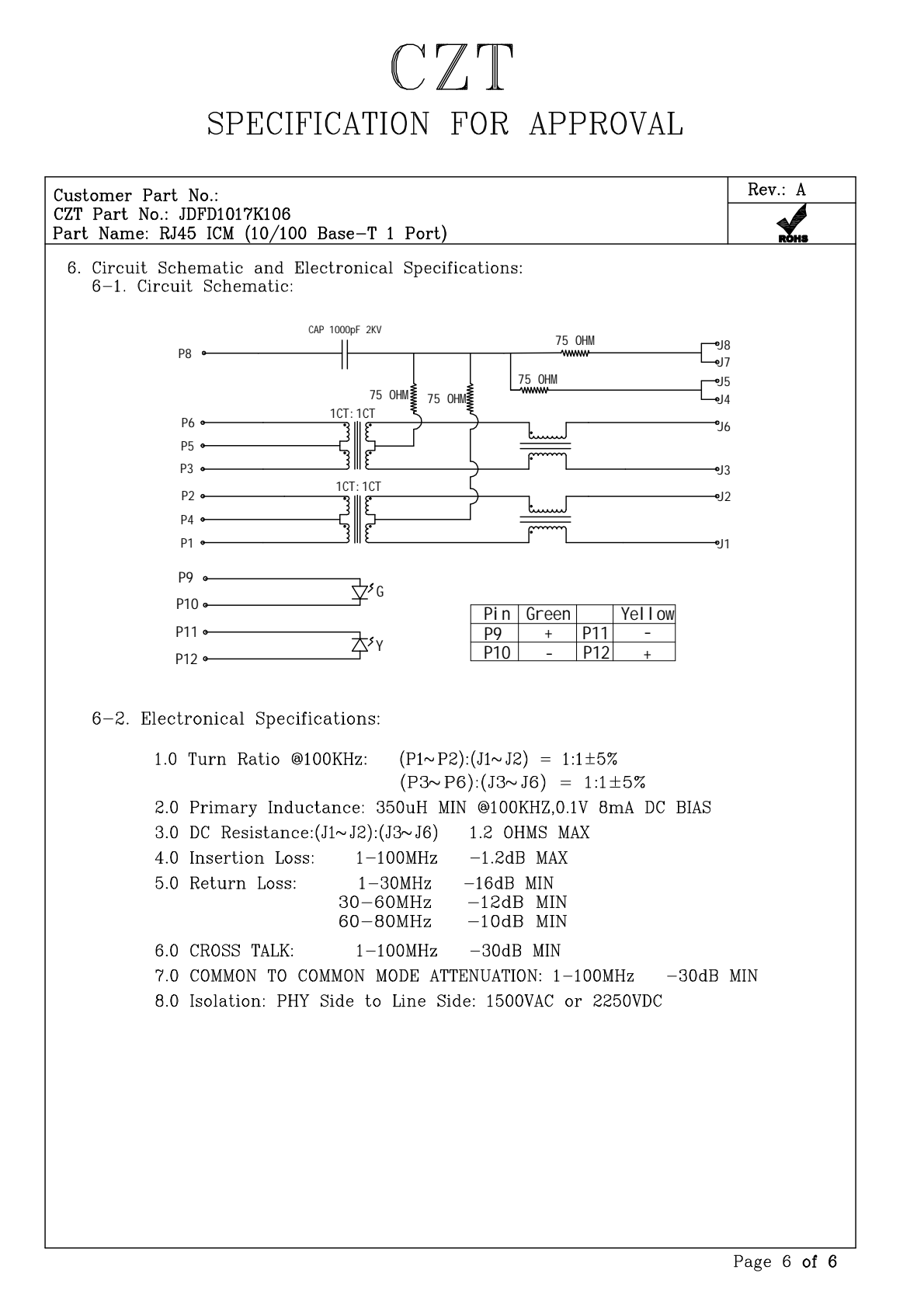
Figure 2. JDFD1017K106: internal circuit and electrical specification fields from the official manufacturer specification, PDF page 6. CZT source · Original PDF, page 6.
Separate measurement error from a real difference
If an unusually high value appears, repeat the attachment and inspect the fixture contact. If the result follows the instrument connection, investigate the setup. If it follows the same component path across controlled repeats, investigate that sample further.
A hypothetical batch review might initially show one outlier that disappears after correcting a probe attachment. That observation supports a measurement explanation; it does not justify altering the acceptance requirement or deleting the original result without a note.
Connect the results to power validation
Resistance and imbalance records help explain power-path behavior, but they do not independently qualify the complete port. Use them alongside the approved circuit, temperature-rise evaluation and required system tests.
When requesting samples or reports, specify the path definitions and measurement conditions. This gives the supplier a reproducible task and helps both teams compare results without debating whether they measured the same thing.
Connect this review to CZT product information
Start with the relevant CZT product family and provide the original interface reference or controlled drawing. Ask which configurations and supporting documents are available for the task described here. Confirm the mating arrangement, required features and project conditions before choosing an orderable part.
Browse the relevant product family · View catalog resources
Discuss a drawing, sample or quotation
Share the part or family reference, current drawing revision, operating conditions and quantities. Include the specific checks described in this article so the inquiry identifies both the component and the evidence needed for your decision. Confirm sample availability and the proposed scope with the supplier.
Request a technical review or quotation
For broader context, read the related selection guide.