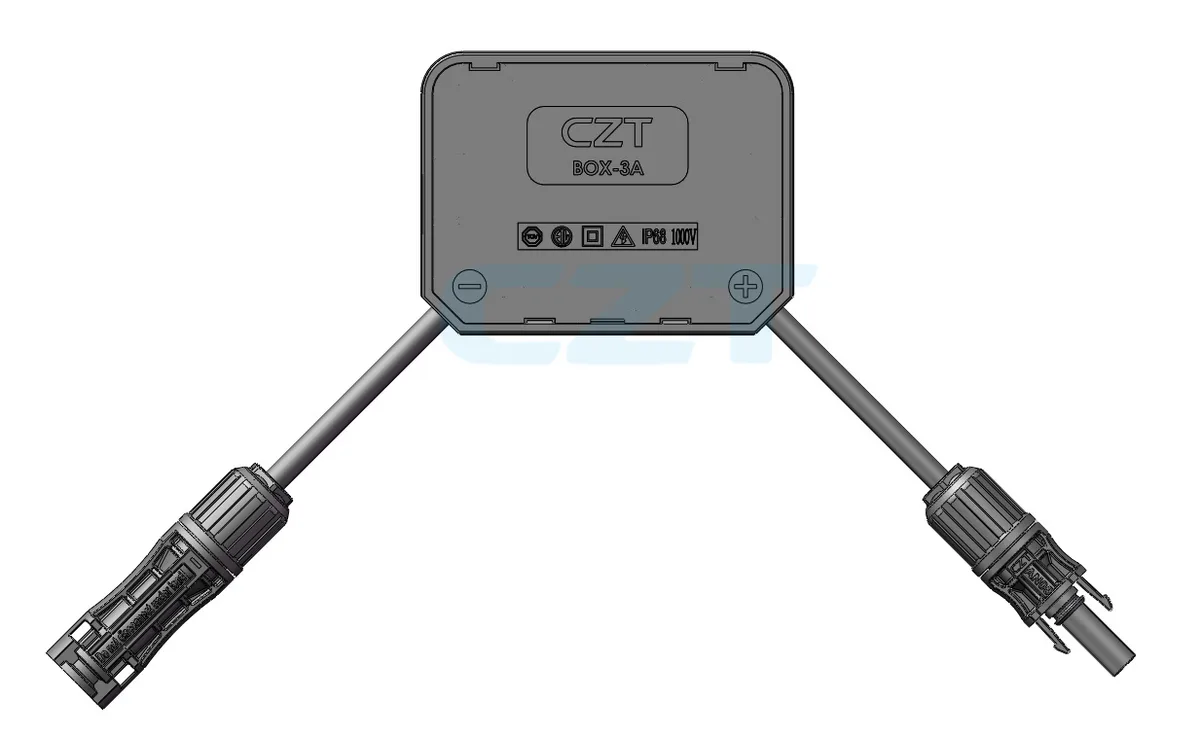
Insulated busbars combine the high current capacity of bare copper or aluminum conductors with electrical insulation that allows closer spacing, higher voltage ratings, and improved safety. They're used in switchgear, battery systems, EV powertrains, and power electronics.
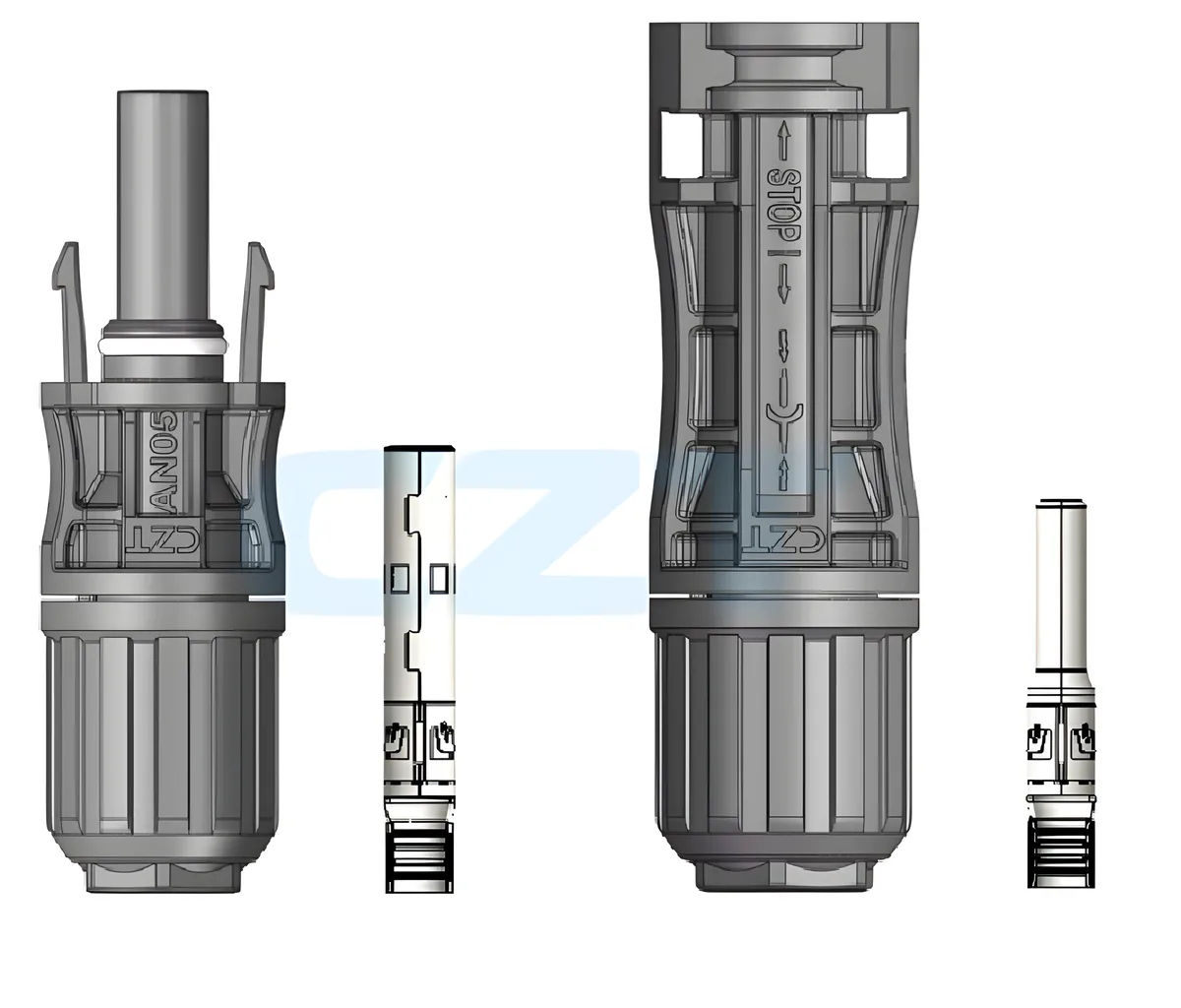
Why Insulate a Busbar?
Bare copper busbars require air clearances between conductors and to ground. Insulation eliminates or reduces these clearances, enabling:
- Compact designs: Conductors can be placed closer together
- Higher voltage ratings: Insulation supports higher voltages than air gaps
- Improved safety: Reduces risk of accidental contact
- Better IP rating: Insulated busbars can achieve IP54 or higher
- Reduced maintenance: No need to clean bare conductors
Insulation Types
Heat-Shrink Tubing
The simplest insulation method. Heat-shrink tubing is applied over the busbar and shrunk with a heat gun.
Materials:
- Polyolefin: Standard, 2:1 or 3:1 shrink ratio, up to 125°C
- Adhesive-lined polyolefin: Seals against moisture, IP67 capable
- PVDF (Kynar): Chemical resistance, up to 175°C
- Silicone: High temperature (up to 200°C), flexible
Voltage ratings: Up to 600V (standard), up to 1,000V (high-voltage grades)
Best for: Field insulation of existing busbars, repair, custom fabrication
Epoxy/Resin Encapsulation
Busbars encapsulated in epoxy resin or polyurethane. Provides excellent mechanical protection and high IP ratings.
Characteristics:
- IP67 or IP68 rated
- Excellent chemical resistance
- High mechanical strength
- Used in outdoor and harsh environment applications
Best for: Outdoor switchgear, marine applications, harsh industrial environments
PVC Extrusion
PVC insulation extruded directly onto the busbar. Common in busbar trunking systems.
Characteristics:
- Continuous insulation along the length
- Good flexibility
- Temperature rating: Up to 70°C (standard PVC) or 90°C (XLPE)
- Cost-effective for long runs
Powder Coating
Epoxy powder coating applied electrostatically and cured. Provides a hard, durable insulating layer.
Characteristics:
- Thickness: 60–120 µm
- Voltage rating: Up to 1,000V (depends on thickness)
- Good chemical resistance
- Attractive appearance
Best for: Switchgear busbars, distribution boards
Laminated Busbar Insulation
In laminated busbars, thin insulating films (polyimide/Kapton, polyester/Mylar, or prepreg) are bonded between copper layers.
Characteristics:
- Very thin (25–250 µm per layer)
- Low inductance due to close conductor spacing
- High dielectric strength
- Used in power electronics, inverters, battery systems
Voltage Ratings
Insulation must be rated for the system voltage plus a safety margin:
| System Voltage | Minimum Insulation Rating |
|---|---|
| 48V DC | 300V |
| 400V AC | 600V |
| 690V AC | 1,000V |
| 1,000V DC (solar) | 1,500V |
| EV high voltage (400–800V DC) | 1,000–1,500V |
Always use insulation rated for at least 1.5× the system voltage.
IP Protection Ratings
Insulated busbars can achieve higher IP ratings than bare busbars:
| Insulation Type | Typical IP Rating |
|---|---|
| Heat-shrink (standard) | IP20 |
| Adhesive-lined heat-shrink | IP67 |
| Epoxy encapsulation | IP67–IP68 |
| PVC extrusion | IP54 |
| Powder coating | IP20–IP54 |
Applications
Battery Systems and Energy Storage
Insulated busbars connect battery cells and modules in series/parallel configurations. Requirements:
- High voltage rating (up to 1,500V for utility-scale systems)
- Low resistance (minimize heat generation)
- Vibration resistance
- Compact design
Common insulation: Adhesive-lined heat-shrink, laminated insulation
EV Powertrains
High-voltage busbars in electric vehicles connect the battery pack to the inverter, motor, and charging system.
- Voltage: 400V or 800V DC
- Current: 200–600A continuous
- Requirements: Compact, lightweight, vibration-resistant, IP67+
Common insulation: Laminated busbar with polyimide film, heat-shrink with adhesive lining
Switchgear and Distribution Boards
Insulated busbars in switchgear allow closer phase spacing and reduce the risk of phase-to-phase faults.
- Voltage: 400V–11kV
- Current: 400A–6,300A
- Requirements: High dielectric strength, temperature resistance
Common insulation: Epoxy encapsulation, powder coating, PVC extrusion
Power Electronics (Inverters, UPS)
Laminated busbars in inverters and UPS systems minimize stray inductance, reducing voltage spikes during switching.
- Voltage: 400–1,500V DC
- Current: 100–2,000A
- Requirements: Ultra-low inductance, compact
Common insulation: Polyimide (Kapton) film between copper layers
Selecting Insulated Busbars
Key selection criteria:
- System voltage: Choose insulation rated for at least 1.5× system voltage
- Current rating: Size conductor cross-section for continuous current
- Temperature: Match insulation temperature rating to operating environment
- IP rating: Choose insulation type based on environmental exposure
- Mechanical requirements: Consider vibration, shock, and installation method
- Regulatory compliance: UL, IEC, or other standards as required
Summary
Insulated busbars offer significant advantages over bare busbars in terms of safety, compactness, and IP protection:
- Heat-shrink: Simple, flexible, good for field application
- Epoxy encapsulation: Best IP rating, harsh environments
- Laminated: Best for power electronics — ultra-low inductance
- PVC extrusion: Cost-effective for long runs in busbar trunking
Match insulation type and voltage rating to the application requirements.
CZT supplies insulated busbars, laminated busbars, and energy storage connection components for EV, solar, and industrial applications. Browse our busbar and energy storage connector range.