Build a multi-gigabit RJ45 candidate matrix around exact PHY modes, connector circuits and board configurations. A connector can enter the evaluation list without being approved for every speed shown in the matrix.
The CZT integrated magnetics family is a source of candidates and drawings. The matrix below is a qualification structure; it does not assert that a particular catalogue model supports 2.5G, 5G or 10G operation.
Define the required link modes
List the modes the product must support and how each is selected or negotiated. Include fallback behavior where relevant to the product. A test that establishes one negotiated link does not automatically cover other required modes.
Record the PHY model, firmware or configuration settings, PCB revision and link-partner identity. These details matter because the connector is being evaluated inside an active interface, not as an isolated speed label.

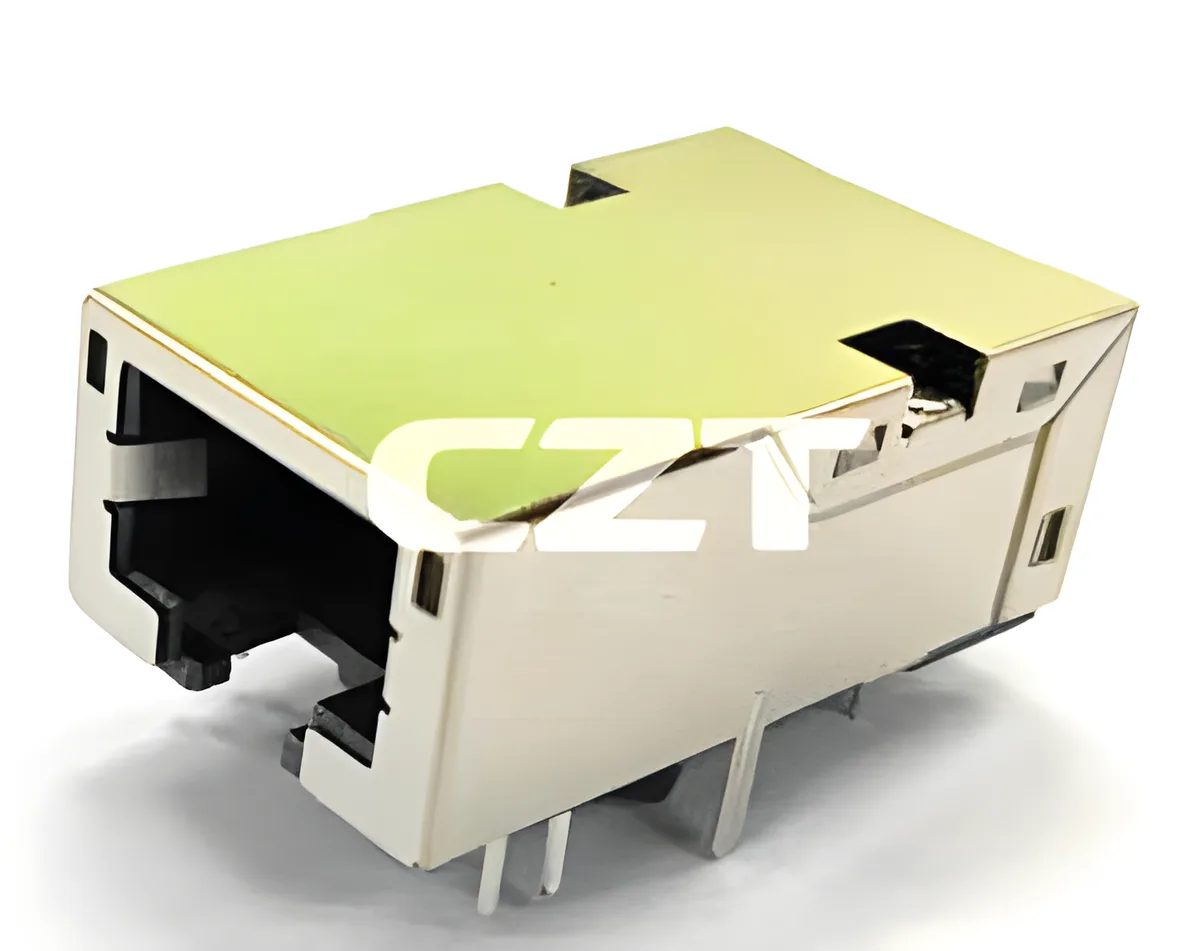
Figure 1. JDTD10030071 catalog photograph, identifying one candidate for drawing and link-test review. CZT source · Original image.
Screen the component circuit first
Compare the magnetic topology, ratio, center taps and electrical requirements with the PHY documentation. Reject or resolve circuit mismatches before spending time on extended link tests.
Review the measurement frequency range and conditions of any supplied component data. A report associated with one interface requirement should not be extended to another mode without an appropriate technical basis.
Construct a layered matrix
| Matrix layer | Required entries |
|---|---|
| Component | Exact ICM, internal circuit and drawing revision |
| Board | PHY, layout and configuration identity |
| Link mode | Each required speed and negotiation behavior |
| External path | Cable configuration and identified link partner |
| Environment | Project-defined temperature and loading cases |
| Observation | Link state, error information and recovery behavior |
Mark every cell as planned, completed, unresolved or not applicable with a reason. This is more informative than a single overall “passed” box that hides missing cases.

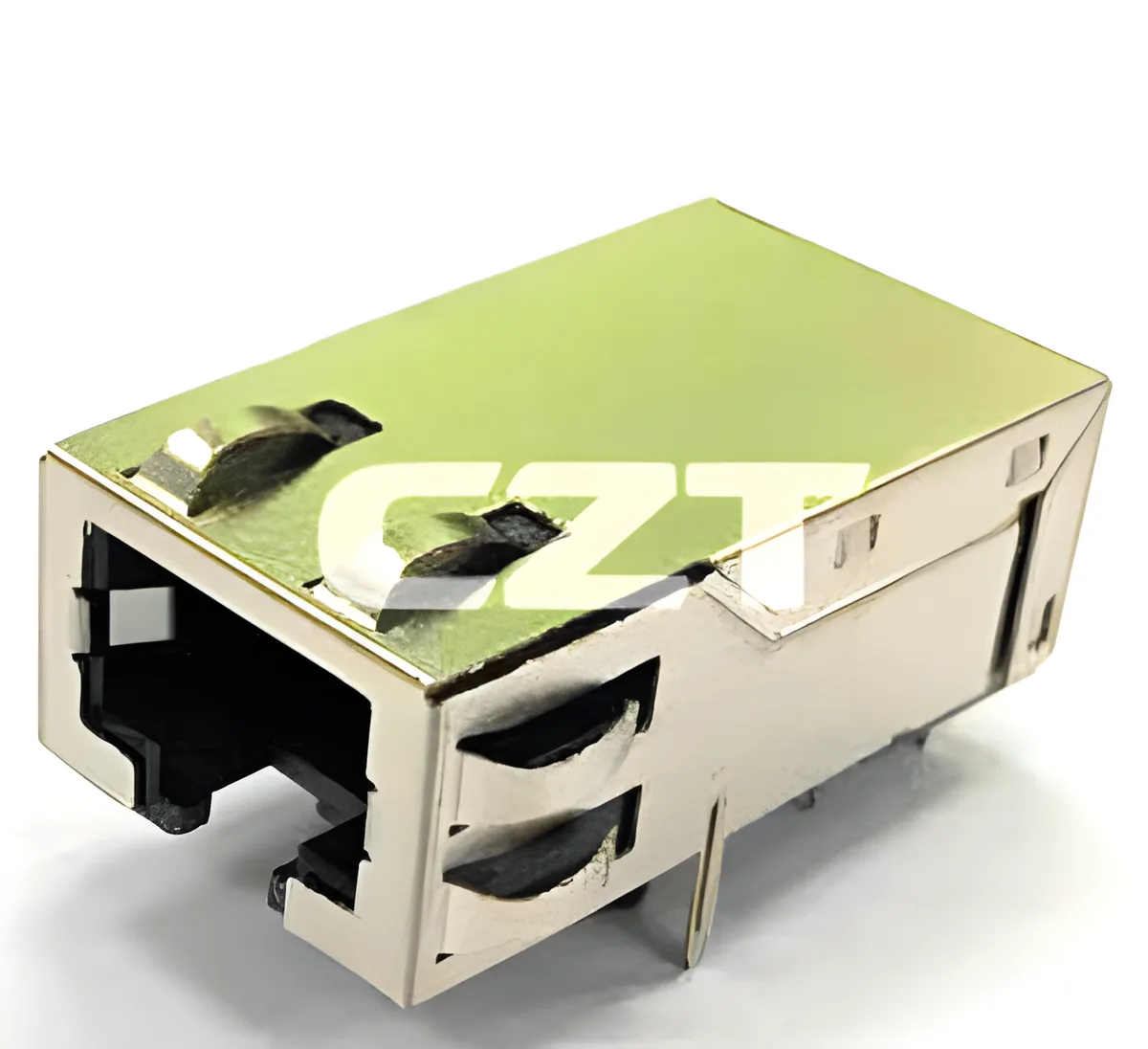
Figure 2. JDDD19000000Y catalog photograph, identifying a separate candidate for drawing and link-test review. CZT source · Original image.
Use staged testing to find problems early
Begin with circuit and assembly verification. Next establish basic operation in the planned modes. Then extend the work to the project's environmental and interoperability conditions using an approved method.
If a mode fails, keep its result distinct from successful modes. A hypothetical candidate might establish a lower-speed link but not a required higher-speed link on the same board. That supports a limited observation, not a broad compatibility claim or a diagnosis of the cause.
Turn the matrix into a release boundary
Record which combinations were actually evaluated and which requirements remain open. Preserve raw observations and any relevant diagnostic logs rather than retaining only a summary.
A purchasing approval should identify the accepted operating scope and configuration. If the PHY, PCB routing, connector circuit or target modes change, the matrix shows exactly which parts of qualification must be revisited. It also prevents an early successful demonstration from becoming an unsupported product-wide speed promise.
Connect this review to CZT product information
Catalog references to discuss are listed below. Use the identifiers to request the current drawing and confirm the configuration required by your application.
| Catalog reference | Product information | Drawing record | Reference inquiry |
|---|---|---|---|
| JDTD10030071 | RJ45 ICM catalog-listed 10GBASE-T 1-port type, JDTD10030071 | Listed PDF | Ask about this reference |
| JDDD19000000Y | RJ45 ICM catalog-listed 5GBASE-T 1-port type, JDDD19000000Y | Listed PDF | Ask about this reference |
A catalog drawing reference is a starting document, not a substitute for reviewing its revision, options and suitability for the complete assembly.
Browse the relevant product family · View catalog resources
Discuss a drawing, sample or quotation
Share the part or family reference, current drawing revision, operating conditions and quantities. Include the specific checks described in this article so the inquiry identifies both the component and the evidence needed for your decision. Confirm sample availability and the proposed scope with the supplier.
Request a technical review or quotation
For broader context, read the related selection guide.