An optical-transceiver compatibility matrix should identify the host, software, module and operating conditions behind every result. Compatible with a switch family is too broad when hardware revisions, port modes and software releases vary. Record the tested combination and its evidence, then keep untested combinations visibly separate.

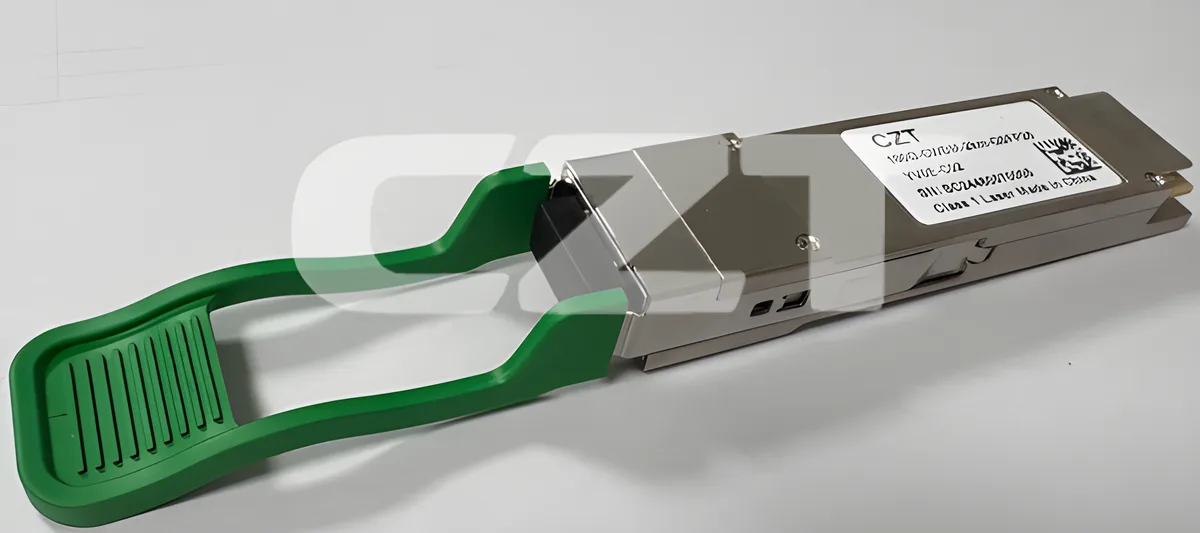
Figure 1. CZT optical module catalog photo provides an identified specimen type for a host qualification matrix; compatibility still needs versioned test evidence. CZT source · Original image.
Define the configuration identity
Capture the host model, hardware revision, port number or type, software release and enabled port mode. Record the module manufacturer, exact part, revision and identification data. Include the link partner and fiber path because a successful local module-detection check is not an end-to-end link test.
Cisco's official optics-to-device compatibility matrix includes software release as part of its compatibility information. It illustrates why a versioned host context matters. A Cisco entry cannot be used as proof that an unrelated third-party module has been qualified on that host.
Define what passing means
Separate mechanical insertion, host recognition, management access, link establishment and traffic performance. Include the operating modes and temperature conditions relevant to the product. A module can be detected correctly while failing another required part of the system test.
CZT's optical product family contains module and cage catalog references. Their names are not host-compatibility evidence. Request module-specific documentation and verify the intended host combination before making a sourcing decision.
Build a useful matrix
| Field group | Required entries |
|---|---|
| Configuration | Host, port mode, software and module identities |
| Optical path | Partner module, fiber type and connection arrangement |
| Test scope | Recognition, management, link and traffic checks |
| Conditions | Temperature, power sequence and relevant operating modes |
| Evidence | Logs, measurements, sample IDs and test date |
| Status | Passed within scope, failed, blocked or not tested |
A blocked or not-tested row should remain visible. It prevents a missing result from looking like an implicit approval when the spreadsheet is filtered or summarized.

Figure 2. CZT active-optical-cable example illustrates another module-ended configuration that needs its own host, software and link-test entry. CZT source · Original image.
Maintain the matrix after changes
Assess new software, module revisions and alternative suppliers against the existing evidence. Determine which checks must be repeated instead of assuming that an unchanged commercial name means identical behavior. Record any restrictions in the BOM or approved-module list.
For a hypothetical qualification, one module might pass the normal-temperature traffic test but remain untested after a host software update. The accurate status is the earlier configuration passed and the new one requires review. It is not a broad family-wide approval.
Save rejected-module and abnormal-startup observations as well as successful traffic runs. A matrix containing only favorable combinations can hide intermittent detection or recovery behavior. Specify which repeated starts, resets or operating transitions the qualification actually covered before releasing the approved list.
The matrix becomes valuable when purchasing, firmware and validation teams use the same identities. Link each released option to the actual report and retain failed observations as well as successful ones. That makes future substitutions faster to assess without overstating what the original qualification established.
Connect this review to CZT product information
Catalog references to discuss are listed below. Use the identifiers to request the current drawing and confirm the configuration required by your application.
| Catalog reference | Product information | Drawing record | Reference inquiry |
|---|---|---|---|
| QSFP28 optical-module catalog record | QSFP28 optical-module catalog record | Listed PDF | Ask about this reference |
| QSFP28 LR4/CWDM4 optical-module catalog record | QSFP28 LR4/CWDM4 optical-module catalog record | Listed PDF | Ask about this reference |
A catalog drawing reference is a starting document, not a substitute for reviewing its revision, options and suitability for the complete assembly.
Browse the relevant product family · View catalog resources
Discuss a drawing, sample or quotation
Share the part or family reference, current drawing revision, operating conditions and quantities. Include the specific checks described in this article so the inquiry identifies both the component and the evidence needed for your decision. Confirm sample availability and the proposed scope with the supplier.
Request a technical review or quotation
For broader context, read the related selection guide.