Parallel busbars should be reviewed as complete electrical paths, including their joints and connection locations. Equal bar cross-sections do not prove equal current. A useful design review combines path geometry with measurements of current, resistance and temperature under the intended operating condition.
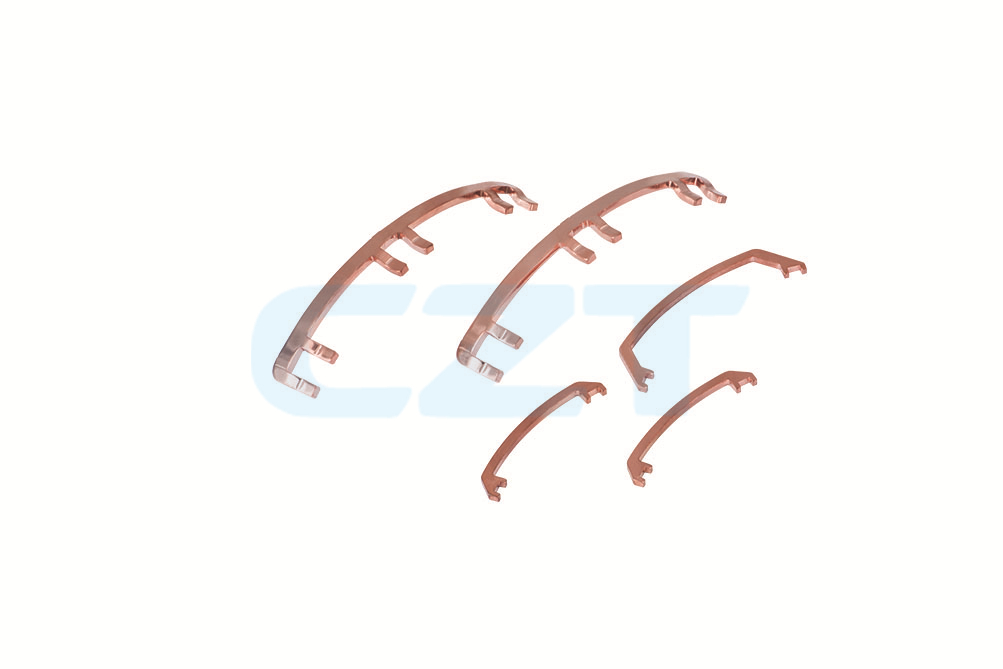
Figure 1. CZT rigid motor-connection examples show differing branch geometries. Complete entry, exit and joint paths must be compared when evaluating parallel current sharing. CZT source · Original image.
Map each complete branch
Draw the points where current divides and rejoins. Identify each conductor length, contact interface and terminal location between those points. Include any asymmetry in feed position or outgoing connection. A visually balanced central region can still have unequal entry or exit paths.
Record the thermal surroundings of each branch as well. A path close to a warm component or a restricted airflow region may operate differently from its neighbor. Keep the electrical and thermal observations connected instead of comparing isolated dimensions.
Measure the paths without changing them
Select sensors and measurement locations that can distinguish each branch's contribution. Check that the test arrangement does not introduce new differences in the paths being compared. Document sensor identity, orientation and calibration information.
Measure resistance using consistent reference points and a suitable low-resistance method. Compare temperatures at corresponding locations. The goal is to understand why a path behaves differently, not merely to produce a set of nominally similar resistance readings taken with different probe positions.
A hypothetical current-sharing example
Consider a two-path assembly carrying a hypothetical total of 200 A. A test records 116 A in path A and 84 A in path B. Those invented values illustrate the review, not a permitted imbalance or CZT result.
| Review question | Information needed |
|---|---|
| Is the reading reproducible? | Sensor checks and repeated observations |
| Are the paths electrically equivalent? | End-to-end resistance and joint identities |
| Are feed locations symmetric? | Full connection layout |
| Does the split change as the unit warms? | Current and temperature histories |
The design owner must define an acceptable distribution from the system's electrical and thermal limits. Do not treat a convenient percentage as a universal acceptance rule.
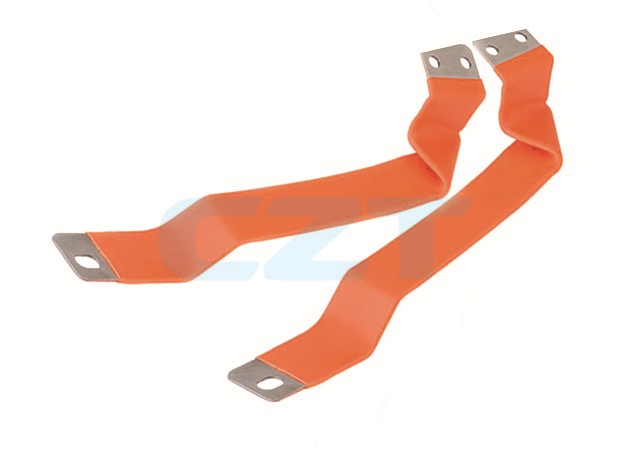
Figure 2. CZT flexible connection examples illustrate why path shape and terminal placement should be recorded rather than assuming equal-looking parts carry equal current. CZT source · Original image.
Change one cause at a time
If the investigation points to a feed-position difference, assess a revised connection arrangement while holding the other variables consistent. If joint resistance is the likely contributor, inspect its construction and assembly process before changing conductor size. Increasing both bars can leave the source of unequal sharing untouched.
CZT's busbar power-distribution family is relevant for reviewing custom path geometry. Catalog entries do not establish balanced current sharing for a particular installation; that conclusion needs the complete assembly definition and test boundary.
Retain the current split, temperature map and connection drawings as a single validation record. Revisit that record after changes to terminal positions, parallel-bar spacing, joint hardware or enclosure conditions. The released result should describe the tested arrangement and the operating range actually covered, with any untested configuration clearly identified.
Connect this review to CZT product information
Start with the relevant CZT product family and provide the original interface reference or controlled drawing. Ask which configurations and supporting documents are available for the task described here. Confirm the mating arrangement, required features and project conditions before choosing an orderable part.
Browse the relevant product family · View catalog resources
Discuss a drawing, sample or quotation
Share the part or family reference, current drawing revision, operating conditions and quantities. Include the specific checks described in this article so the inquiry identifies both the component and the evidence needed for your decision. Confirm sample availability and the proposed scope with the supplier.
Request a technical review or quotation
For broader context, read the related selection guide.